

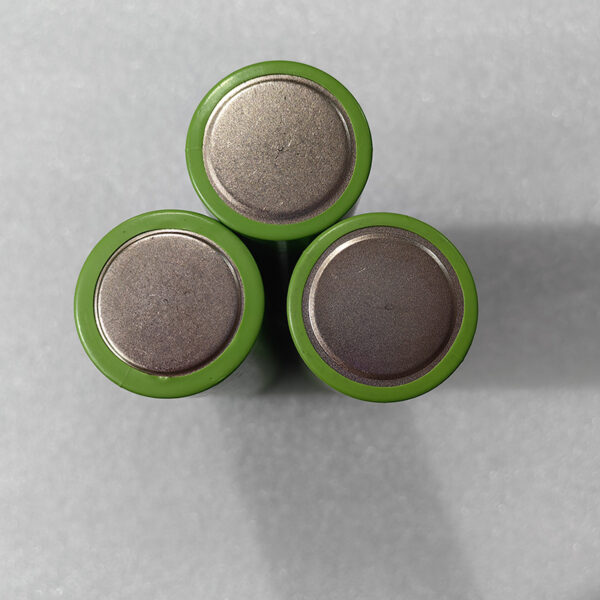
The Ultimate Solution for Electric Vehicles: 60110 LiFePO4 Cells and Custom OEM Integration
The Challenge of Capacity Fade in Modern EVs
For electric vehicle (EV) engineers and technical procurement managers, one of the most persistent headaches is capacity fade. As vehicles age, the degradation of lithium-ion cells leads to reduced range, lower power output, and increased safety risks. This “fade” is not just an inconvenience; it is a critical factor in total cost of ownership (TCO) and vehicle longevity. While the industry often focuses on energy density, the shift towards LiFePO4 (Lithium Iron Phosphate) chemistry, specifically in the 60110 cylindrical format, represents a paradigm shift toward durability and stability. This article explores how high-quality 60110 LiFePO4 cells, combined with comprehensive OEM customization, offer a complete minimal fade solution for the next generation of electric transportation.
1. Why 60110 LiFePO4 Cells Are the Answer to Capacity Fade
To understand why the 60110 format is gaining traction, we must first look at the fundamental chemistry of LiFePO4 compared to traditional NMC (Nickel Manganese Cobalt) batteries.
The Science of Stability
LiFePO4 cells utilize a phosphate-based cathode material. Unlike NMC, which relies on a layered oxide structure, the phosphate structure has a strong chemical bond (P-O bond) that is highly stable. This stability prevents the thermal runaway and structural degradation that plagues other lithium-ion chemistries.
Technical Specifications of 60110:
- Dimensions: 60mm diameter x 110mm height (significantly larger than standard 18650 or 21700 cells).
- Chemistry: Lithium Iron Phosphate (LiFePO4).
- Nominal Voltage: 3.2V.
- Cycle Life: Typically exceeds 3,000 cycles (often reaching 5,000+), compared to 500-1,000 cycles for standard NMC.
The larger physical size of the 60110 cell allows for a higher active material-to-packaging ratio. This means less “dead weight” from casings and more energy storage per unit volume, directly combating the density concerns often associated with LiFePO4.
2. The Minimal Fade Advantage: Engineering for Longevity
Capacity fade occurs due to the breakdown of the Solid Electrolyte Interphase (SEI) layer on the anode and the loss of lithium inventory. In NMC cells, the high operating voltage (3.6V-3.8V) accelerates electrolyte oxidation. LiFePO4 cells, however, operate at a lower voltage (3.2V-3.4V), which significantly reduces electrolyte decomposition.
Key Benefits:
- Thermal Resilience: LiFePO4 cells do not release oxygen during thermal events, making them inherently safer and less prone to thermal aging.
- Flat Voltage Curve: The discharge curve is remarkably flat, meaning the battery maintains a consistent voltage output throughout its discharge cycle. This consistency ensures that the vehicle’s performance remains stable even as the battery ages.
- Reduced Maintenance: Due to the minimal fade characteristics, the need for battery pack replacements is drastically reduced, offering a lower TCO for fleet operators and consumers alike.
3. The Role of OEM Customization in System Integration
While the cell chemistry is critical, the integration into the vehicle is equally important. A “one-size-fits-all” approach rarely works in the complex environment of an EV. This is where OEM Custom Solutions become indispensable.
Customization is not just about size; it is about optimization. Every electric vehicle has unique space constraints, thermal management requirements, and power demands. A standard cell might fit, but a custom-engineered solution ensures optimal performance.
What OEM Customization Entails:
- Form Factor Adaptation: While 60110 is the standard size, the internal chemistry ratios and electrode designs can be tweaked to prioritize either high energy density (for range) or high power density (for acceleration).
- Thermal Interface Design: Custom casings and tab placements to integrate seamlessly with the vehicle’s liquid cooling system.
- BMS Compatibility: Tailoring the cell’s output characteristics to work harmoniously with the Battery Management System (BMS).
4. Technical Procurement: From Concept to Production
For B2B buyers and engineers, sourcing these components requires a partner with deep manufacturing capabilities. The transition from design to mass production involves rigorous testing and quality control.
The Manufacturing Process:
- Slurry Mixing: Precise mixing of active materials, binders, and solvents.
- Coating & Calendering: Applying the slurry to copper or aluminum foils and compressing it to the exact density required for 60110 specifications.
- Assembly: The “jelly roll” construction of the 60110 cell requires high-precision winding to prevent internal short circuits.
- Formation & Aging: A critical step where the cells are charged and discharged under controlled conditions to form the SEI layer.
Quality Assurance: For industrial and automotive applications, every cell must pass 100% capacity and impedance testing. This ensures that the “minimal fade” promise is delivered in every single unit.
5. Partnering with a Leading Battery Manufacturer in China
Navigating the supply chain for high-specification cylindrical cells requires a partner who understands the technical nuances of both the chemistry and the application. As a leading battery manufacturer in China, we specialize in providing high-energy-density cylindrical cells and comprehensive OEM solutions for the global market.
Why Partner With Us?
- Advanced R&D Capabilities: We possess the in-house expertise to develop custom 60110 formulations that meet specific voltage and discharge requirements.
- Automated Production: Our automated production lines ensure consistency and eliminate human error, which is crucial for maintaining the low fade rates required by EV standards.
- Global Compliance: Our products are engineered to meet international safety standards (UL, IEC, UN38.3), ensuring your vehicle meets regulatory requirements worldwide.
Conclusion: A Future-Proof Investment
The shift toward 60110 LiFePO4 cells is not just a trend; it is a strategic move toward building electric vehicles that last. By combining the inherent stability of phosphate chemistry with the scalability of the cylindrical format, manufacturers can offer products that retain their performance over time.
If you are looking to implement a complete minimal fade solution in your next vehicle design, or if you require a custom OEM partnership to bring your battery concept to life, we invite you to explore our capabilities.
Ready to Engineer Your Solution?
Contact our team of experts today to discuss your specific requirements and learn how our high-quality cylindrical cells can power your next innovation.
Explore Our Product Range:
View Cylindrical Battery Cells
Learn More About Our Manufacturing Expertise:
Battery Manufacturer in China


