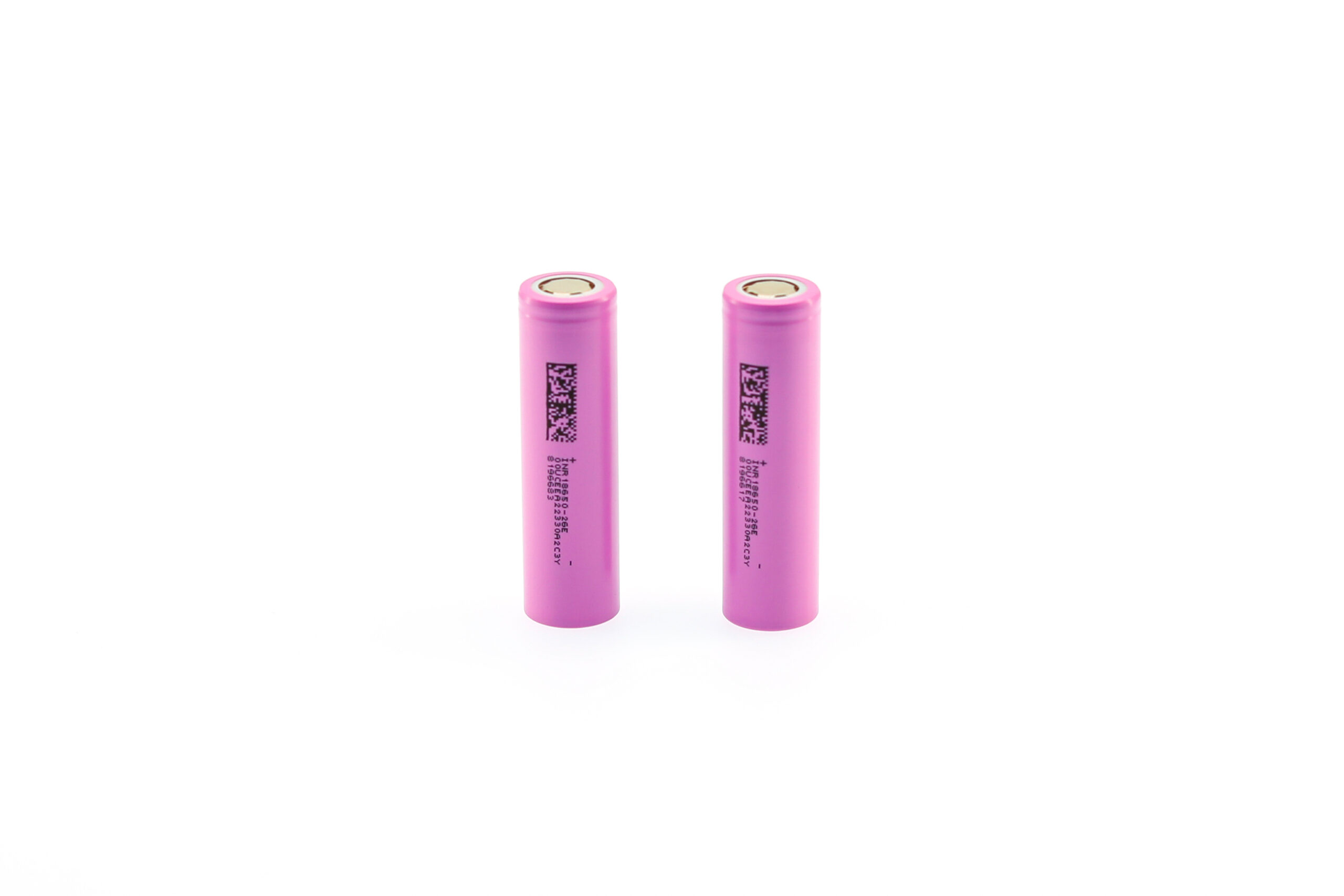
Buy Wholesale 18650 LFP Cells Bulk: High Competitive Wholesale Price Performance for Power Tools vs Competitors
In the rapidly evolving world of energy storage and power tools, the 18650 Lithium Iron Phosphate (LFP) cell has emerged as a pivotal component. For engineers and technical procurement managers in the USA and EU markets, sourcing these cells in bulk is not just about finding the lowest price; it is about balancing cost with performance, safety, and compliance. This article serves as a comprehensive guide for professionals looking to navigate the complexities of the wholesale market. We will dissect the technical parameters that define a superior 18650 LFP cell, provide a framework for comparing competitors, and outline the specific testing methodologies required to ensure the cells meet the rigorous demands of power tool applications.
Technical Parameters That Define Performance
When evaluating wholesale 18650 LFP cells for power tools, it is essential to look beyond the basic voltage and capacity metrics. The true differentiators lie in the cell’s ability to handle high discharge rates and maintain thermal stability.
- Energy Density vs. Power Density: While LFP chemistry is known for its safety, it traditionally lags behind NMC in energy density. However, modern manufacturing techniques have bridged this gap significantly. For power tools, Power Density (measured in W/kg) is often more critical than Energy Density (measured in Wh/kg). A high-power LFP cell can deliver the burst currents required by heavy-duty tools without voltage sag.
- Cycle Life and Longevity: A standard LFP cell should offer a cycle life exceeding 2000 cycles at 80% Depth of Discharge (DoD). This is a key selling point against competitors using older chemistries, as it drastically reduces the total cost of ownership for the end-user.
- Thermal Management: LFP cells operate at lower temperatures compared to Cobalt-based batteries. This characteristic reduces the complexity and cost of the Battery Management System (BMS) required for your power tool packs, making them inherently safer for the user.
Comparative Analysis: Evaluating Competitors in the Market
To secure the best value in the wholesale market, a structured approach to competitor analysis is necessary. Below is a comparative framework that prioritizes the metrics most relevant to power tool manufacturers.
| Parameter | High-Performance Standard (Target) | Low-Cost Competitor (Risk) |
|---|---|---|
| Internal Resistance | < 20mΩ (Ensures minimal heat generation) | > 30mΩ (Leads to energy loss and heat) |
| Discharge Efficiency | > 95% (High energy transfer) | < 90% (Wasted energy as heat) |
| Capacity Consistency | ±1% (Critical for BMS balancing) | ±5% (Risk of pack failure) |
| Safety Rating | Passes UL1642, IEC 62133 (Mandatory for EU/US) | Unknown/Unverified (Compliance risk) |
Key Insight: The “High-Competitive Wholesale Price” should not be an indicator of compromised safety. The most competitive suppliers achieve lower prices through automated production lines and vertical integration, not by cutting corners on material purity.
Testing Methodologies for Quality Assurance
Procurement in bulk requires rigorous verification protocols. Relying solely on datasheets is insufficient. Here are the essential tests to validate the performance of 18650 LFP cells:
- High-Temperature Cycling Test: Subject the cells to charge/discharge cycles at 45°C to 60°C. This simulates the harsh operating environment inside a power tool and verifies the electrolyte stability.
- Pulse Discharge Testing: Power tools draw high currents in short bursts. Test the cell’s voltage response under a 20C to 30C pulse discharge to ensure there is no significant voltage drop that would cause the tool to stall.
- Storage Self-Discharge Test: Store fully charged cells at 25°C for 28 days. A high-quality LFP cell should retain over 95% of its capacity. A rapid drop indicates impurities in the electrode materials.
- Vibration and Shock Testing: Simulate transportation and operational conditions to ensure the internal structure of the cell remains intact.
The Technical Barrier: Why Manufacturing Origin Matters
The performance of an 18650 LFP cell is directly tied to the manufacturing process control and the quality of raw materials. This is where the technical barrier for entry becomes apparent.
- Material Purity: The cathode material for LFP requires a high degree of crystallinity. Suppliers with access to refined raw materials and proprietary synthesis processes can produce cells with lower internal resistance.
- Process Control: Automated production lines with laser welding and vacuum filling ensure consistency. Manual or semi-automated processes introduce variability that leads to cell-to-cell mismatch in a battery pack.
- Compliance as a Technical Barrier: Meeting EU CE and RoHS directives, as well as US UL standards, requires significant investment in testing infrastructure. A supplier that passes these certifications has already cleared a high technical hurdle regarding safety and environmental impact.
Adapting to EU and US Market Standards
For engineers and procurement managers in Europe and North America, sourcing cells that are pre-certified for your market is a strategic advantage. The EU and US markets have stringent regulations regarding chemical composition and safety testing.
- EU Market (CE, RoHS, REACH): The focus here is on the restriction of hazardous substances and environmental impact. A compliant 18650 LFP cell will have documentation proving the absence of lead, mercury, and cadmium. Furthermore, the WEEE directive requires producers to manage end-of-life recycling, favoring LFP chemistry due to its non-toxic nature.
- US Market (UL, UN38.3): The primary concern is fire safety and transportation. The UL 2054 standard for household and commercial batteries is rigorous. Suppliers targeting the US market must provide data on crush tests, nail penetration tests, and overcharge protection.
Conclusion
Buying wholesale 18650 LFP cells in bulk requires a technical mindset. By focusing on the specific performance metrics required for power tools—high discharge rates, thermal stability, and long cycle life—you can differentiate between a cheap product and a competitively priced, high-performance solution.
For professionals seeking a partner that meets the technical barriers of automated production and material science, while ensuring compliance with global standards, CNS BATTERY offers a robust solution. As a manufacturer specializing in cylindrical cells, we provide the technical data and quality assurance required for demanding applications.
To consult with our engineering team on your specific power tool requirements or to request a sample for testing, please visit our Contact Us page. Explore our full range of Cylindrical Battery Cells designed for performance and reliability. For those looking to understand the competitive landscape of Chinese battery manufacturers, our overview of Battery Manufacturers in China provides valuable insights into industry standards.