
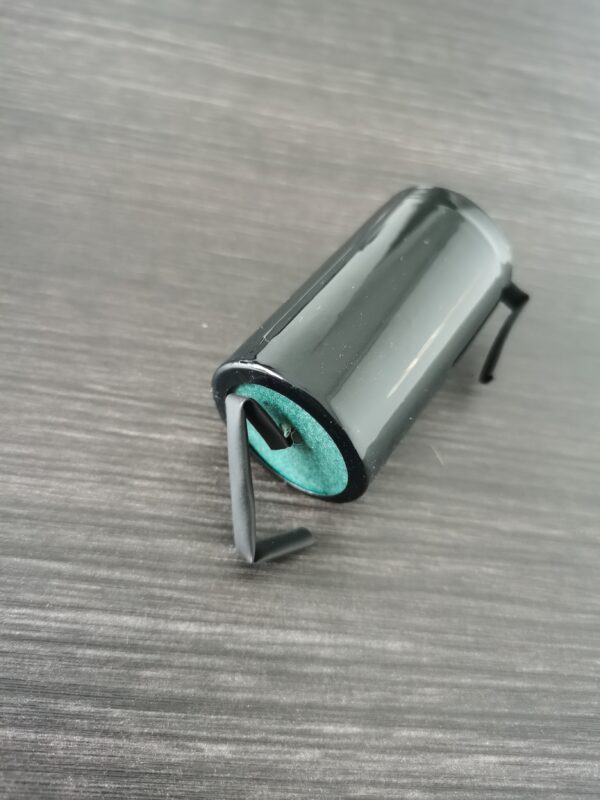
The Evolution of Smart Card Power: Why Ultra-Slim Li-MnO₂ Batteries Are the Industry Standard
In the rapidly evolving landscape of smart technology, the demand for reliable, compact, and long-lasting power sources has never been higher. Nowhere is this more evident than in the field of Smart Card applications. From hotel key cards and payment systems to secure identification badges, these devices require a power solution that is not only invisible to the user but also capable of maintaining performance for years. This is where the Ultra-Slim Li-MnO₂ Battery enters the scene as the definitive power standard.
While lithium-ion batteries often steal the spotlight for consumer electronics, primary lithium batteries—specifically the Lithium Manganese Dioxide (Li-MnO₂) chemistry—have carved out an irreplaceable niche in the world of industrial and embedded electronics. This article delves into the technical specifications, application scenarios, and procurement considerations for these specialized power sources.
Technical Deep Dive: The Science Behind the Slim Profile
To understand why the Ultra-Slim Li-MnO₂ battery is the preferred choice for smart cards, one must first understand its chemical advantages.
The Chemistry of Stability
Unlike secondary (rechargeable) batteries, primary lithium batteries utilize a non-aqueous electrolyte and a solid cathode structure. The Li-MnO₂ system operates on a voltage platform of 3.0V, which is significantly higher than traditional alkaline or zinc-carbon cells. This high voltage is crucial for powering the Radio-Frequency Identification (RFID) chips and microcontrollers found in modern smart cards without the need for complex voltage boosting circuitry.
Form Factor and Safety
The “Ultra-Slim” designation refers to a specific engineering challenge: reducing the battery thickness while maintaining energy density. These batteries are typically constructed in a coin or prismatic cell format, utilizing stacked or wound jelly-roll designs optimized for thinness. Critically, the Li-MnO₂ chemistry is inherently safer than lithium-ion for this application. It does not require a Battery Management System (BMS) and is far less prone to thermal runaway, making it the ideal choice for devices carried in pockets or wallets.
Applications in the Real World: Beyond the Prototype
The transition from a standard CR2032 coin cell to a custom Ultra-Slim Li-MnO₂ Battery is driven by specific market needs. Here are the primary sectors leveraging this technology:
1. Hospitality and Access Control
In the hotel industry, the guest experience is paramount. Traditional mechanical keys are relics of the past. Modern electronic locks rely on Smart Card keys that must be thin enough to fit into a guest’s wallet without causing bulge. A standard battery would add unnecessary thickness, potentially damaging the card’s antenna or rendering it unusable in slim card readers. Ultra-slim Li-MnO₂ cells provide the necessary 2-3 year lifespan required for high-turnover hospitality environments.
2. Financial Technology (FinTech)
The next generation of credit and debit cards is moving toward “Dynamic Card” technology. These cards feature built-in displays to show one-time passwords (OTPs) or dynamic CVV codes for enhanced security. Powering a screen within the strict ISO 7810 standard thickness (0.76mm) is only possible with specialized primary lithium technology. The low self-discharge rate of Li-MnO₂ ensures that these cards remain active for the entire duration of the credit card lifecycle, typically 2-3 years.
3. Industrial and Logistics Tracking
In logistics, smart tags are used for asset tracking. These tags often need to be affixed to curved or sensitive surfaces where bulk is prohibited. The flexibility and thin profile of custom Li-MnO₂ solutions allow for seamless integration into packaging or asset labels without interfering with the physical handling of goods.
Procurement and Selection: A Guide for B2B Buyers
For Original Equipment Manufacturers (OEMs) and system integrators, selecting the right power source involves more than just voltage and capacity. It requires a partnership with a manufacturer capable of meeting strict industrial standards.
Design for Manufacturability (DFM)
When integrating an Ultra-Slim Li-MnO₂ Battery into your design, consider the following parameters:
- Thickness Constraints: Ensure the battery thickness aligns with the ISO 7810 standard if designing payment cards.
- Temperature Range: Verify the operating temperature range (-20°C to +60°C is standard for most primary lithium cells) matches your deployment environment.
- Termination Style: The battery must have tabs or contacts compatible with the card’s printed circuit.
Quality Assurance and Compliance
Compliance is non-negotiable in the B2B sector. Ensure your supplier adheres to the following international standards:
- IEC 60086: The international standard for primary batteries.
- RoHS and REACH: Environmental compliance for hazardous substances.
- UN 38.3: Mandatory testing for the transport of lithium batteries.
Choosing a manufacturer with robust Quality Management systems in place is critical to avoiding field failures, which can be catastrophic for brand reputation.
Case Study: Integrating Power into Smart Infrastructure
To illustrate the practical implementation of these batteries, let us examine a hypothetical (yet typical) scenario in the Smart City sector.
The Challenge: Secure Public Transit
A major metropolitan transit authority is upgrading its fare collection system. They require a contactless smart card that not only validates entry but also displays the remaining balance on a small LCD screen. The existing infrastructure uses standard RFID cards, so the new “Smart Card” must maintain the exact same physical dimensions to be compatible with turnstiles and validators.
The Solution
The engineering team decides against a super-capacitor solution due to insufficient charge retention. Instead, they opt for a custom prismatic Ultra-Slim Li-MnO₂ Battery. This solution provides:
- Longevity: A 5-year operational life, exceeding the typical 3-year replacement cycle for transit cards.
- Reliability: Consistent voltage output ensures the screen remains bright and readable throughout the battery’s life.
- Safety: The non-flammable nature of the chemistry eliminates risks in crowded public transport environments.
This case highlights how the right primary battery solution solves complex integration problems without compromising user experience.
Why Partner with a Specialized Manufacturer?
Selecting a battery is not a commodity purchase; it is a critical component decision. Generic off-the-shelf cells often fail to meet the specific energy density or form factor requirements of advanced smart cards. This is where working with a specialized developer of Prismatic Battery Cell technology becomes essential.
A specialized partner offers:
- Customization: Tailoring the cell dimensions to fit unique cavity designs.
- R&D Capability: Access to advanced manufacturing techniques for thin-film electrodes.
- Technical Support: Assistance with the integration of the battery into the card lamination process.
Conclusion: Powering the Future of Smart Devices
The Ultra-Slim Li-MnO₂ Battery represents a perfect marriage of chemistry and engineering, specifically designed to meet the spatial constraints of modern Smart Card technology. As the Internet of Things (IoT) expands and smart infrastructure becomes more prevalent, the demand for these discreet, high-energy-density power sources will only increase.
For businesses looking to deploy reliable smart card solutions, the choice is clear: prioritize a power source that offers longevity, safety, and a form factor that disappears into the design.
Ready to Power Your Smart Card Project?
If you are an OEM or system integrator looking for a reliable power partner, our team specializes in advanced Primary Battery solutions, including custom Ultra-Slim Li-MnO₂ designs.
Explore our Product Center to learn more about our capabilities in Prismatic Battery Cell technology and how we can support your next innovation: Product Link.
For specific inquiries or to discuss your project requirements with a technical expert, please contact our sales team directly: Contact Us.
