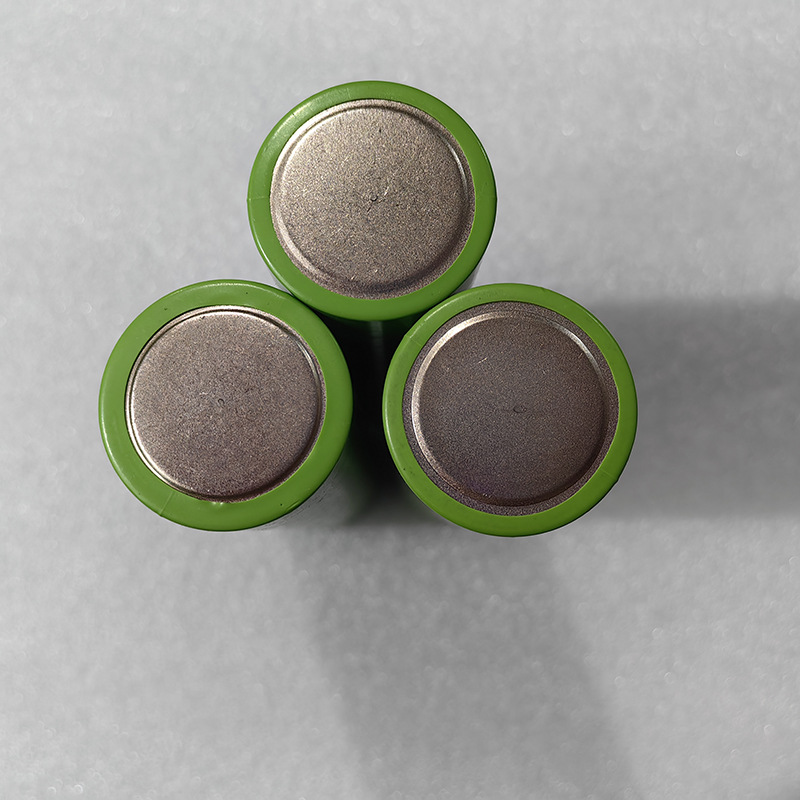
High Reliability 18650 LFP Cells for Power Tools: The Ultimate Engineering Solution
In the competitive landscape of industrial battery manufacturing, sourcing High Reliability 18650 LFP Cells is no longer just about finding a cheap power source; it is about securing a supply chain that guarantees performance under extreme stress. For B2B buyers and technical engineers, the shift toward Lithium Iron Phosphate (LFP) chemistry in power tools represents a critical pivot from traditional Cobalt-based chemistries. This article dissects the specific engineering parameters, testing protocols, and regional compliance standards that define a “High Reliability” cell, specifically analyzing how advanced manufacturers meet the rigorous demands of modern power tool OEMs.
The Technical Shift: Why LFP Dominates Industrial Applications
Historically, power tools relied on NMC (Nickel Manganese Cobalt) or Cobalt Oxide chemistries for their high energy density. However, the industrial sector is rapidly migrating toward 18650 LFP Cells due to their superior thermal stability and cycle life.
From a technical perspective, LFP cells possess a unique olivine crystal structure. Unlike layered oxide structures found in other lithium-ion variants, this structure remains physically stable even at high temperatures. For a power tool engineer, this translates to a battery that is virtually immune to thermal runaway—a non-negotiable safety feature when designing equipment for professional contractors.
Decoding “High Reliability”: Key Parameter Analysis
When evaluating cells for B2B export, “Reliability” is not a marketing buzzword; it is a measurable output of specific design choices. We analyze the core parameters that separate industrial-grade cells from consumer-grade variants.
1. Cycle Life and Depth of Discharge (DoD)
A standard consumer 18650 might be rated for 300-500 cycles. In contrast, a High Reliability LFP cell is engineered for longevity. These cells typically utilize a thicker separator and a more robust electrolyte formulation to withstand mechanical stress. This engineering results in a cycle life exceeding 2000 cycles at 80% Depth of Discharge (DoD), ensuring the tool battery lasts the entire lifespan of the tool itself.
2. High-Temperature Performance
Power tools generate significant heat during operation. A standard cell might see capacity fade rapidly above 45°C. High Reliability LFP cells are designed with a high-temperature electrolyte that maintains ionic conductivity even when the motor is red-lining. This is achieved through proprietary electrolyte additives that form a stable Solid Electrolyte Interphase (SEI) layer on the anode, preventing parasitic reactions that degrade the cell.
3. Mechanical Robustness
The 18650 form factor is chosen for its structural integrity. For power tools, the cell must resist vibration and shock. High Reliability cells feature a laser-welded nickel top and a thicker steel can wall compared to standard cells. This mechanical design prevents micro-fractures in the internal electrode stack, which are the primary cause of premature failure in high-vibration environments.
Quality Assurance: Testing Methods for B2B Validation
For technical procurement managers, the datasheet is only the first checkpoint. Validating “High Reliability” requires specific testing protocols to filter out defective or inconsistent batches before integration.
- Dynamic Resistance Testing (ACIR/DCIR): Instead of relying solely on nominal resistance, engineers should perform Dynamic Charge/Discharge testing. This involves applying a pulsed load mimicking the start-stop torque of a drill. A reliable cell will show minimal voltage sag and recover instantly, whereas a weak cell will exhibit a voltage drop that does not recover, indicating high internal resistance.
- High-Temperature Storage Test: To validate the thermal stability of the LFP chemistry, cells should be stored at 60°C-80°C for 72 hours at 100% State of Charge (SoC). A High Reliability cell will exhibit less than 2% voltage drop and negligible leakage current after this test.
- Cycle Life Acceleration Testing: While 2000 cycles is the target, testing a sample batch through 500 rapid cycles (performed at elevated temperatures or higher C-rates) can reveal early-life failures. If a cell passes 500 accelerated cycles with less than 10% capacity loss, it is statistically likely to meet the 2000-cycle industrial standard.
Global Compliance and Regional Adaptation
Selling High Reliability 18650 LFP Cells into the global market requires more than just technical prowess; it demands strict adherence to regional safety and environmental standards. This is where the “B2B Export” aspect becomes critical.
1. North American Market (UL & UN/DOT Standards)
For the US and Canadian markets, the primary barrier is UL 2054 or UL 62133 certification for battery packs. However, for B2B cell suppliers, providing cells that are pre-certified to UN 38.3 is mandatory for air freight. Furthermore, compliance with California’s Prop 65 (Proposition 65) regarding lead and cadmium content is essential for market access.
2. European Market (CE & RoHS)
European buyers are the most stringent regarding environmental regulations. The RoHS (Restriction of Hazardous Substances) directive mandates the elimination of lead, mercury, and cadmium. Additionally, the upcoming EU Battery Regulation requires detailed carbon footprint declarations and recyclability reporting. A High Reliability supplier must have a documented Environmental Product Declaration (EPD) to service this market effectively.
3. Electromagnetic Compatibility (EMC)
In industrial settings, tools operate near heavy machinery generating Electromagnetic Interference (EMI). While the cell itself is a DC source, the manufacturing environment must be free of magnetic contamination. High Reliability cells are produced in ISO Class 8 (or better) cleanrooms with strict magnetic particle control to ensure the Battery Management System (BMS) does not malfunction due to stray fields.
Conclusion: The Engineering Standard for Industrial Power
Selecting the right 18650 LFP cell is a complex engineering decision that balances chemistry, mechanical design, and regulatory compliance. For B2B buyers, the “High Reliability” tag must be backed by verifiable data on cycle life, thermal stability, and global certifications.
If you are an engineer or a procurement manager looking for a supply partner that meets these exacting standards, it is crucial to engage with manufacturers who specialize in industrial applications rather than consumer electronics.
For technical inquiries regarding High Reliability 18650 LFP Cells or to discuss custom specifications for your power tool application, contact our engineering team. You can explore our full range of Cylindrical Battery Cells designed for industrial use, or visit our manufacturer profile to learn more about our global compliance capabilities.
Explore our Cylindrical Battery Cell Product Line
Learn more about our capabilities as a leading Battery Manufacturer in China
Contact our technical sales team for a reliability assessment