
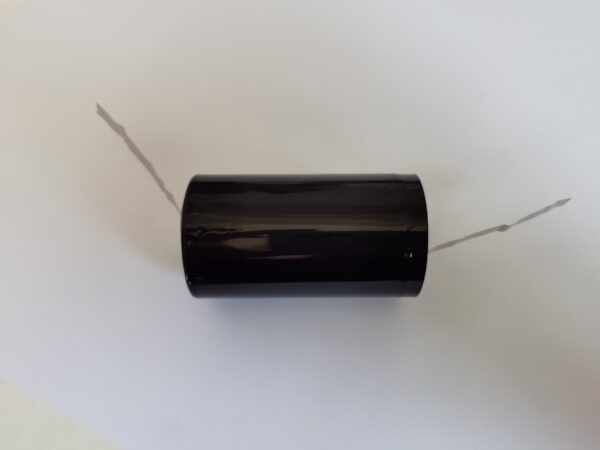
Li-SOCl₂ Battery for Offshore Oil Platform Emergency Sensors
The offshore oil and gas industry operates in one of the most hostile environments on Earth. Platforms are isolated, subject to extreme weather, and face significant logistical challenges. In this high-stakes environment, the reliability of safety systems is non-negotiable. Among the critical components ensuring the safety of personnel and infrastructure are the emergency sensors that monitor for gas leaks, fires, and structural integrity.
However, powering these sensors presents a unique set of challenges. Traditional power sources often fail due to the harsh marine climate, requiring frequent maintenance that is both dangerous and expensive. This is where Lithium-Thionyl Chloride (Li-SOCl₂) batteries emerge as the definitive solution. As a specialist in primary lithium batteries, I have observed that Li-SOCl₂ technology is not just a choice but a necessity for the longevity and reliability of offshore emergency systems.
The Harsh Reality of Offshore Environments
Before diving into the battery chemistry, it is essential to understand the environment these sensors must endure. Offshore platforms are located far from the mainland, often in deep waters where access is limited to helicopters or supply vessels.
The primary challenges for electronic components in this setting include:
- Extreme Corrosion: The combination of salt spray, high humidity, and marine air accelerates the corrosion of metals and the degradation of electronic casings.
- Temperature Fluctuations: While underwater cables might experience near-freezing temperatures, sensors on the platform deck can be exposed to intense heat from the sun or the cold of the open ocean.
- Maintenance Inaccessibility: Performing routine maintenance on a sensor located on a subsea manifold or a high mast is a complex, costly, and risky operation.
Standard alkaline or lead-acid batteries are simply not equipped to handle these conditions. They degrade quickly, lose capacity in cold temperatures, and require frequent replacement, which is a logistical nightmare offshore.
Why Li-SOCl₂ Chemistry is the Gold Standard
Lithium-Thionyl Chloril (Li-SOCl₂) batteries are a type of primary (non-rechargeable) lithium battery. Unlike their rechargeable lithium-ion counterparts, primary lithium batteries are designed for ultra-long life and extreme stability. The specific chemistry of Li-SOCl₂ makes it the ideal candidate for offshore emergency sensors.
Here is a technical breakdown of why this chemistry outperforms others:
Chemical Composition and Voltage:
Li-SOCl₂ batteries utilize lithium metal as the anode and thionyl chloride as both the cathode and the electrolyte. This unique combination results in a nominal cell voltage of 3.6V, significantly higher than the 1.5V of alkaline cells. This higher voltage allows sensors to transmit signals over longer distances, a crucial factor on sprawling offshore platforms.
Unmatched Energy Density:
Energy density is a critical metric in battery technology. Li-SOCl₂ batteries boast one of the highest energy densities of any chemical system available today. This means they can store a massive amount of energy in a relatively small and lightweight package. For offshore applications, where weight and space are often at a premium, this high energy density is invaluable.
Thermal Stability:
The electrolyte in Li-SOCl₂ batteries has a very low freezing point. This allows the batteries to function reliably in temperatures as low as -55°C (-67°F) and as high as +85°C (+185°F). This thermal stability ensures that emergency sensors remain powered even in the harshest winter storms or the heat of a fire event.
Technical Specifications of Li-SOCl₂ Batteries
To better understand the capabilities of these batteries, let us examine their core technical specifications.
| Specification | Typical Value | Significance for Offshore Use |
|---|---|---|
| Nominal Voltage | 3.6V | Powers high-drain sensors and long-range transmitters effectively. |
| Energy Density | 500 – 700 Wh/kg | Provides long runtime without adding excessive weight to the sensor housing. |
| Self-Discharge Rate | < 1% per year | Retains charge for decades, eliminating the need for frequent replacements. |
| Operating Temp | -55°C to +85°C | Survives extreme cold subsea environments and high-temperature emergencies. |
| Shelf Life | 10 – 20 years | Batteries can be installed and forgotten, only activating when needed. |
Addressing the “Voltage Delay” Phenomenon
One technical characteristic of Li-SOCl₂ batteries that engineers must understand is the “voltage delay.” When a load is first applied to a resting Li-SOCl₂ cell, there is a brief period where the voltage drops before stabilizing at its nominal 3.6V. This is caused by the formation of a passivation layer on the lithium anode.
While this might seem like a drawback, it is actually a feature that contributes to the battery’s incredibly low self-discharge rate. For offshore emergency sensors, this is rarely an issue. Most modern sensors are designed with circuitry that can handle this initial delay, or the sensors operate in a low-power “sleep” mode, drawing minimal current that does not trigger the passivation layer buildup.
Longevity and Maintenance Reduction
The most compelling argument for using Li-SOCl₂ batteries in offshore applications is the drastic reduction in maintenance requirements. Consider the lifecycle cost of a sensor powered by alkaline batteries versus one powered by lithium.
An alkaline-powered sensor might require battery replacement every 1-2 years. On an offshore platform, this simple task involves mobilizing a maintenance crew, potentially requiring a helicopter flight, and exposing workers to risk. In contrast, a Li-SOCl₂ powered sensor can operate for 10, 15, or even 20 years without intervention.
This “fit and forget” philosophy is the cornerstone of modern offshore safety design. It reduces operational expenditure (OPEX) and significantly enhances safety by minimizing the need for personnel to access hazardous or hard-to-reach locations.
Application in Emergency Beacon Systems
One of the most critical uses of this technology is in Emergency Position Indicating Radio Beacons (EPIRBs) and subsea acoustic beacons. In the event of an emergency, these devices must activate instantly and transmit a signal for an extended period.
Li-SOCl₂ batteries are the preferred choice for these applications because of their ability to deliver high pulses of energy even after years of dormancy. Unlike other chemistries that might suffer from voltage depression after long storage, Li-SOCl₂ cells are ready to deliver full power the moment they are activated, ensuring that distress signals are sent and received without fail.
The CNS BATTERY Advantage for Offshore Safety
When selecting a power source for critical offshore infrastructure, reliability is not just a specification; it is a requirement. At CNS BATTERY, we understand the gravity of this responsibility. As a leading manufacturer of primary lithium batteries based in Zhengzhou, China, we are committed to providing power solutions that meet the rigorous demands of the global energy sector.
Our Li-SOCl₂ battery solutions are engineered to the highest international standards. We utilize advanced manufacturing techniques and rigorous quality control to ensure that every cell leaving our factory is capable of performing in the harshest environments.
Why choose CNS BATTERY for your offshore projects?
- Global Reach with Local Expertise: We serve clients across the globe, understanding the specific Geo SEO and regional compliance requirements of different markets.
- Advanced R&D: Our research and development team continuously works on improving the thermal stability and energy density of our cells to meet the evolving needs of the offshore industry.
- Customization: We recognize that every offshore platform has unique requirements. We offer customized battery solutions to fit specific sensor housings and voltage requirements.
For offshore oil and gas operators looking to enhance safety while reducing maintenance costs, switching to Li-SOCl₂ technology is a strategic decision. We invite you to explore our product range to see how our batteries can power your safety systems for decades.
If you are ready to upgrade your offshore emergency sensors to a maintenance-free solution, contact our sales team today. We are ready to provide the technical support and reliable power solutions your operations demand.
Contact us now to discuss your offshore battery needs: Contact CNS BATTERY
