The Ultimate Guide to 26650 Battery Cells for 4-Seater Golf Cart Conversions
When upgrading or maintaining a 4-seater golf cart, the choice of energy storage is critical. Standard lead-acid batteries often fail to deliver the range and longevity required for modern recreational use. This is where the 26650 battery cell enters the equation as a superior alternative.
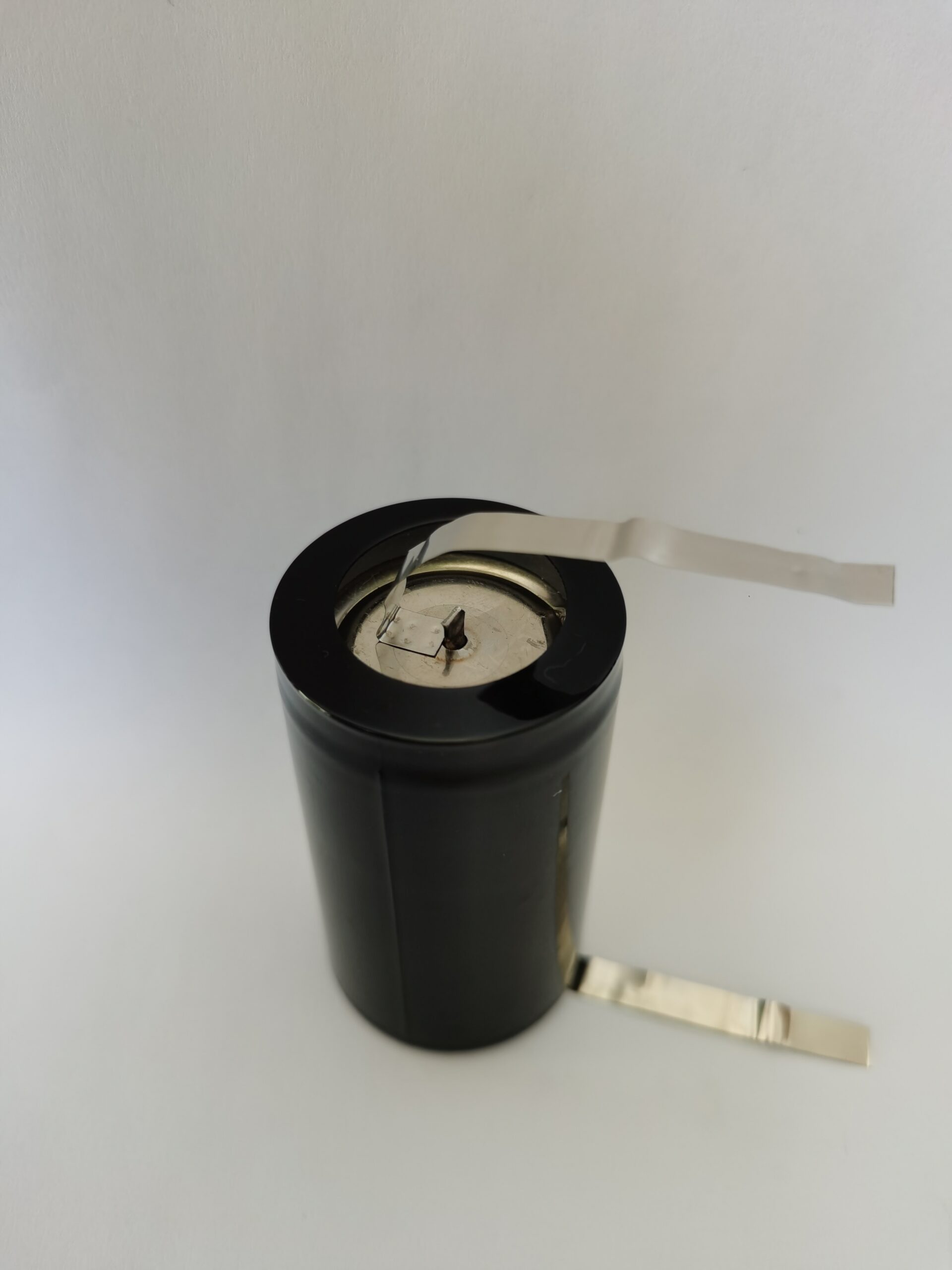
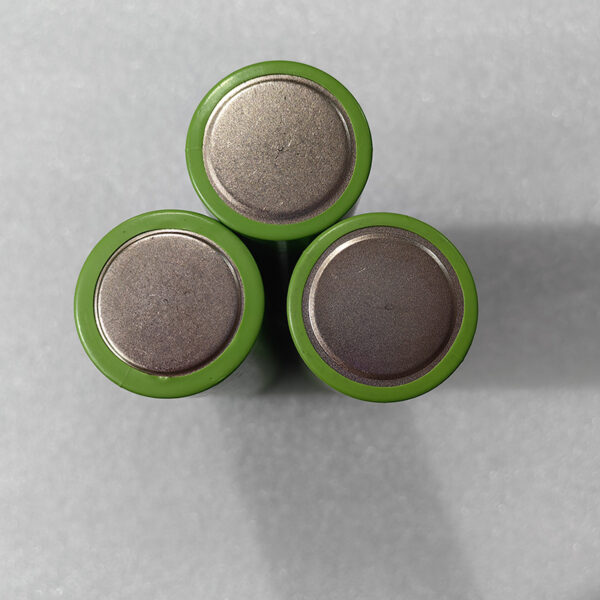
As a lithium-ion engineer, I frequently analyze cell geometries for specific vehicle applications. While 18650 and 21700 cells dominate consumer electronics, the 26650 format offers a unique “sweet spot” for Light Electric Vehicles (LEVs) like golf carts. With a diameter of 26mm and a length of 65mm, these cells provide a higher energy density than their smaller cousins without the thermal management complexity of massive prismatic cells.
This guide will dissect why the 26650 is ideal for your 4-seater, the technical parameters you must verify, and how to ensure your setup meets international safety standards.
Why the 26650 Cell is the Engineering Choice for Golf Carts
A 4-seater golf cart requires a balance of high capacity and robust power delivery. Unlike a standard sedan, a golf cart operates in variable load conditions (4 passengers + luggage) and often in harsh outdoor environments.
- Capacity vs. Form Factor: The 26650 cell typically offers capacities ranging from 4500mAh to 5500mAh. This is significantly higher than the 3500mAh ceiling of most 18650 cells. For a golf cart, this translates directly to extended range per charge.
- Thermal Stability: The larger surface area of the 26650 allows for better heat dissipation compared to densely packed smaller cells. This is crucial for preventing thermal runaway during the high discharge rates needed to climb hills.
- Structural Integrity: The cylindrical steel casing of the 26650 provides excellent mechanical strength, protecting the internal jellyroll from the vibrations inherent in off-road golf courses.
Technical Deep Dive: Parameters for Success
When sourcing cells for a 4-seater conversion, generic specifications are not enough. You need cells engineered for cyclic stability. Here are the critical parameters to scrutinize:
- Chemistry Selection (NMC vs. LFP): For golf carts, Lithium Iron Phosphate (LFP) variants of the 26650 are often preferred due to their superior cycle life (often exceeding 2000 cycles) and thermal safety. However, if maximum range is the priority, NMC (Nickel Manganese Cobalt) 26650 cells offer higher voltage (3.6V-3.7V nominal) and energy density.
- Discharge Rate: A loaded 4-seater requires a continuous discharge rate of at least 10A-15A. Ensure the cells you select have a “Power” designation rather than just “Energy” to handle the torque demands of the motor.
- Consistency: This is the hallmark of a professional build. Cells must be sorted (graded) to have a voltage deviation of less than 0.02V and an internal resistance deviation of less than 2mΩ.
Testing Methodology: Beyond the Datasheet
As an engineer, I never trust a datasheet alone. When evaluating 26650 cells for a vehicle application, I recommend the following stress tests:
- The Load Test: Apply a continuous 10A load and monitor the temperature rise. A quality cell should not exceed 60°C under sustained load.
- Cycle Life Testing: Simulate real-world usage by performing 500 charge-discharge cycles. A premium cell will retain over 80% of its initial capacity at this stage.
- Vibration Testing: Secure the cell in a test rig simulating the vibration frequency of a golf cart moving at 20mph. Check for internal micro-shorting after the test.
Geo-Specific Compliance and Safety Standards
One of the biggest pitfalls in the battery industry is the mismatch between manufacturing standards and local regulations. If you are operating in the EU or the US, your 26650 pack must adhere to specific regional mandates to ensure safety and avoid liability.
- European Market (EU/UK): Your battery pack must comply with the UN38.3 standard for the transport of dangerous goods. Furthermore, for integration into a vehicle, adherence to IEC 62133 (Secondary cells and batteries containing alkaline or other non-acid electrolytes) is mandatory. This ensures the cell can withstand crushing, impact, and external short circuits.
- North American Market (US/Canada): Look for cells and packs that are UL 2580 certified. This standard specifically addresses the safety of batteries in electric vehicles, covering aspects like overcharge protection, crash resistance, and fire containment.
Why Partner with a Compliant Manufacturer?
Choosing a battery manufacturer is not just about price; it is about accessing their technical壁垒 (barriers/advantages). A manufacturer who invests in R&D for cylindrical cells like the 26650, 21700, and 18650 has the process control necessary to guarantee batch consistency.
When you are building a system for a 4-seater golf cart, you need a partner who understands the mechanical constraints of cylindrical cells and the regulatory landscape of your target market. This ensures that your vehicle is not only powerful but also legally compliant and safe for passengers.
For engineers and procurement managers looking for a reliable source of high-grade cylindrical cells, including the versatile 26650 format, exploring manufacturers with a proven track record in international compliance is the first step.
Ready to upgrade your 4-seater golf cart with high-performance 26650 cells? Connect with a team that understands the engineering behind the battery. Explore the full range of Cylindrical Battery Cells or Contact the experts at CNS Battery to discuss your specific application requirements. You can also learn more about what makes a top-tier Battery Manufacturer in China.