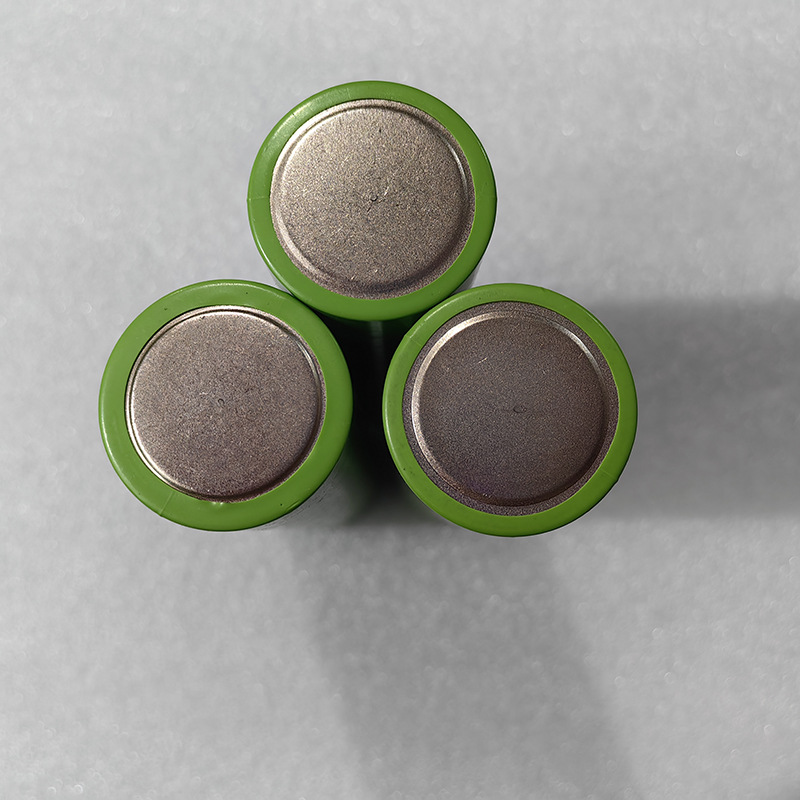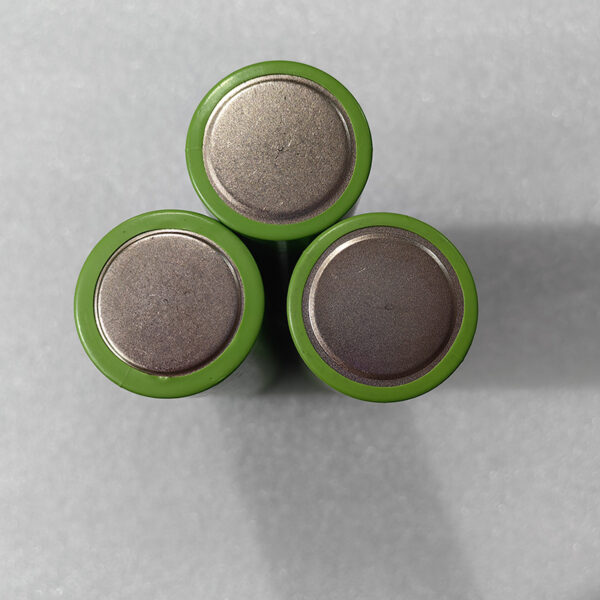
B2B 40150 Lithium Ion Cylindrical Battery: Solve High Discharge Rate Today
In the rapidly evolving landscape of industrial energy storage and high-power applications, the demand for batteries that can deliver consistent, high-rate discharge without compromising safety or longevity has never been greater. As a leading cylindrical battery supplier in China, CNS Battery recognizes that standard solutions often fall short when faced with the thermal and mechanical stresses of heavy-duty cycles.
While the industry standard has long revolved around the 18650 and 21700 formats, a new frontier is emerging to meet these specific high-drain needs: the 40150 lithium-ion cylindrical battery. This large-format cell represents a significant leap in power density and thermal management capability.
This 2026 Buyer’s Guide is designed to help B2B clients understand why the 40150 format is becoming the go-to solution for solving high discharge rate challenges in today’s competitive market.
Why the 40150 Format is the Answer to High Discharge Challenges
The nomenclature “40150” refers to the physical dimensions of the cell: 40mm in diameter and 150mm in length. This large format is not merely a scaling exercise; it is an engineering response to the limitations of smaller cylindrical cells when pushed to their discharge limits.
When B2B applications—such as heavy-duty power tools, industrial UPS systems, or specialized electric vehicles—require continuous high-current output, smaller cells face two critical hurdles: heat accumulation and internal resistance. The 40150 format directly addresses these issues through superior geometry and material science.
1. Superior Thermal Management Architecture
One of the primary reasons high discharge rates degrade battery life is heat. In smaller cells, the surface-area-to-volume ratio works against efficient heat dissipation. The 40150 cell, with its significantly larger diameter and length, offers a vastly improved thermal pathway.
The larger surface area allows for more efficient heat transfer away from the core of the cell. This means that during peak load operations, the internal temperature remains lower compared to a cluster of smaller cells producing the same power. Lower operating temperatures directly translate to longer cycle life and reduced risk of thermal runaway, a critical factor for industrial safety standards.
2. Reduced Internal Impedance
High discharge rates are often throttled by the internal resistance of the battery. The 40150 format allows for a thicker electrode stack while maintaining a low tortuosity path for lithium ions. This structural advantage results in significantly lower internal impedance.
For B2B clients, this technical specification means the ability to sustain higher continuous discharge currents (often exceeding 30C-50C ratings) without the voltage sag typically seen in smaller formats. This stability ensures that machinery operates at peak efficiency without power drop-offs during critical operations.
3. Enhanced Structural Integrity for Industrial Use
Industrial environments are harsh. The robust steel or aluminum casing of a 40150 cell provides superior mechanical strength compared to pouch or prismatic designs. This cylindrical robustness makes it ideal for applications subjected to vibration, impact, and variable pressure conditions.
Technical Specifications: What B2B Clients Need to Know
When evaluating a 40150 lithium-ion cylindrical battery for your supply chain, specific technical parameters determine its suitability for high-rate applications. Below is a generalized specification table based on industry-leading high-discharge chemistries (typically NMC or High-Power LFP variants).
| Parameter | Specification Range | Industrial Significance |
|---|---|---|
| Nominal Voltage | 3.2V (LFP) or 3.6V/3.7V (NMC) | Compatibility with existing high-voltage industrial stacks. |
| Diameter / Height | 40mm ±0.2mm / 150mm ±0.5mm | Standardized dimensions ensure compatibility with automated assembly lines. |
| Internal Resistance | < 5mΩ (Typical) | Low resistance is mandatory for minimizing energy loss as heat during high discharge. |
| Max Continuous Discharge | 30A – 100A+ | The core value proposition; supports heavy machinery and rapid energy delivery. |
| Cycle Life | 2000+ Cycles (at 1C rate) | Longevity reduces the total cost of ownership (TCO) for fleet or equipment operators. |
Note: Specific capacities (Ah) can vary based on the cathode chemistry chosen (Energy Dense vs. Power Dense).
Applications Where the 40150 Excels
The “Solve High Discharge Rate” mandate applies to a wide range of sectors. As a professional cylindrical battery supplier in China, CNS Battery sees the 40150 format being integrated into the following key verticals:
- Heavy-Duty Power Tools: Cordless tools requiring the torque and runtime previously only achievable by corded units.
- Electric Two-Wheelers (Heavy EV): High-speed e-scooters and e-motorcycles that demand rapid acceleration and sustained high-speed cruising.
- Industrial Energy Storage (ESS): Backup systems and peak-shaving units that require rapid charge acceptance and high burst discharge capabilities.
- Specialty Vehicles: Automated Guided Vehicles (AGVs), forklifts, and other MHEV/BEV applications where space constraints are less critical than power density.
Choosing the Right Cylindrical Battery Supplier in China
Selecting a 40150 lithium-ion cylindrical battery is a strategic supply chain decision. It is not just about the cell, but about the consistency of the supply and the technical support behind it.
When sourcing from a Chinese manufacturer, B2B clients must prioritize:
- Automated Production Lines: High-discharge cells require micron-level precision in electrode coating and winding. Suppliers must utilize fully automated manufacturing to ensure consistency batch after batch.
- Customization Capability: While the 40150 is a standard size, the chemistry (NMC, LFP, or定制 blends) and the tab configuration often need tailoring for specific thermal envelopes.
- Safety Testing Protocols: Rigorous testing for overcharge, short circuit, and nail penetration is non-negotiable.
CNS Battery, established in 1998, stands as a vertically integrated manufacturer capable of delivering these specifications. With a focus on R&D and advanced manufacturing, we provide not just cells, but comprehensive cylindrical battery solutions for the global market.
To consult with our engineering team about integrating the 40150 format into your next-generation product, or to request a sample for testing, please visit our product center or contact us directly.