
🌊 The Best Lithium Battery for Tsunami Early Warning Sensors
When a tectonic plate shifts beneath the ocean floor, the clock starts ticking. For Tsunami Early Warning Systems (TEWS), reliability isn’t just a feature; it’s the difference between life and death. These systems, often deployed in the harshest deep-sea environments, rely on a power source that can withstand immense pressure, extreme cold, and remain dormant for years before activating flawlessly in a crisis.
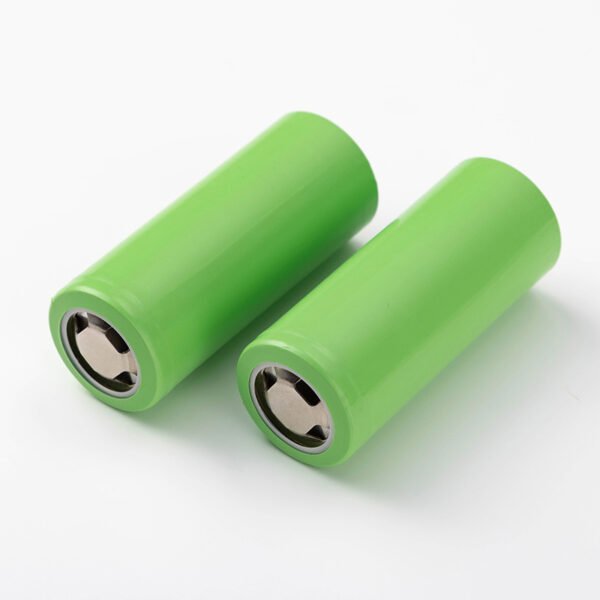
As a technical expert in primary battery solutions, I have analyzed the specific energy requirements for oceanographic monitoring. For Tsunami Early Warning Sensors, Lithium-Thionyl Chloride (Li-SOCl₂) batteries stand out as the undisputed champion. Specifically, the High-Energy Cylindrical Lithium Battery technology offers the necessary combination of longevity, stability, and pulse capability required for these critical applications.
🧪 Why Lithium Primary Batteries are the Standard
Before diving into the specific chemistry, let’s understand the non-negotiable requirements for deep-sea sensors:
- Extreme Longevity: Sensors must remain operational for 10-15 years without maintenance.
- High Energy Density: The battery must fit within the constrained space of a buoy or seabed sensor while delivering massive energy.
- Wide Temperature Tolerance: From the freezing depths of the ocean (-55°C) to the surface heat.
- Passivation Stability: The ability to sit idle (sleep mode) for years and then wake up instantly.
Standard lithium-ion secondary (rechargeable) batteries fail here due to high self-discharge rates and limited cycle life in extreme conditions. Lithium Primary batteries, however, utilize non-aqueous electrolytes that provide a shelf life of up to 20 years.
⚡️ The Superiority of Lithium-Thionyl Chloride (Li-SOCl₂)
Among primary lithium chemistries, Lithium-Thionyl Chloride is the gold standard for remote telemetry and deep-sea monitoring. Here is why it is the best choice for your TEWS:
- Unmatched Energy Density: With a specific energy exceeding 650 Wh/kg, Li-SOCl₂ packs more power into a smaller volume than any other primary chemistry. This is crucial for sensors that need to transmit high-power distress signals over long distances.
- Low Self-Discharge: These batteries lose less than 1% of their charge per year. This ensures that after a decade on the seafloor, the battery still has 90% of its capacity ready to trigger an alert.
- Deep Discharge Capability: Unlike other batteries that die at 50% depth of discharge, Li-SOCl₂ can utilize over 95% of its rated capacity, maximizing the operational window.
Technical Note: A common challenge with Li-SOCl₂ is voltage delay. When a heavy load is applied, there can be a momentary voltage drop. However, modern engineering, such as the use of hybrid layer capacitors or specific cell design, mitigates this “voltage delay” to ensure the sensor’s transmitter powers on instantly during an earthquake event.
📊 Comparison of Primary Lithium Chemistries for Marine Use
To help engineers make an informed decision, here is a technical comparison of the top contenders:
| Feature | Lithium-Thionyl Chloride (Li-SOCl₂) | Lithium-Manganese Dioxide (Li-MnO₂) | Lithium-Sulfur Dioxide (Li-SO₂) |
|---|---|---|---|
| Energy Density | Highest (650 Wh/kg) | Medium (280 Wh/kg) | High |
| Voltage | 3.6V Nominal | 3.0V Nominal | 3.0V Nominal |
| Pulse Capability | Excellent (with bobbin-type design) | Good | Very Good |
| Temperature Range | -55°C to +85°C | -40°C to +85°C | -55°C to +70°C |
| Best For | Deep-sea sensors, long-term telemetry | Consumer IoT, Memory backup | High-drain military devices |
Analysis: While Lithium-Manganese Dioxide is simpler, it lacks the energy density required for 15-year deployments. Lithium-Thionyl Chloride remains the only viable option for true “fit-and-forget” tsunami sensors.
🛠️ Solving the “Pulse Power” Problem
Tsunami sensors don’t just draw a steady current; they sleep for years and then suddenly need to transmit a high-power RF signal to a satellite. This requires a battery that can deliver high pulse currents.
The solution lies in the Bobbin-Type construction of Lithium-Thionyl Chloride cells. Unlike spirally wound cells that can short internally, the bobbin structure has a higher resistance but superior safety and the ability to handle high pulse loads when paired with a small buffer capacitor. This design prevents the “voltage delay” from interfering with the sensor’s wake-up protocol.
🏭 Engineering a Reliable Power Solution
At CNS Battery, we understand that powering a Tsunami Early Warning Sensor is not a one-size-fits-all task. Our engineering approach focuses on three pillars to ensure your system never fails when it matters most:
- Custom Form Factors: We design Cylindrical Battery Cells that fit precisely within the hydrodynamic housing of your sensor, maximizing the use of available space without compromising structural integrity.
- Deep-Sea Pressure Resistance: Our batteries are potted and sealed to withstand crushing depths of over 6,000 meters. We use specialized materials that do not degrade or outgas under high pressure.
- Quality Management: Every cell undergoes rigorous testing per ISO 9001 standards to ensure zero defects. In this industry, reliability is measured in “Six Sigma,” not just percentages.
For engineers looking to source the highest quality Lithium-Thionyl Chloride batteries for their oceanographic projects, our Cylindrical Battery Cell product line offers the specific energy and reliability required.
📝 Final Recommendations for System Designers
If you are currently designing or maintaining a Tsunami Early Warning Network, consider the following technical specifications for your battery selection:
- Chemistry: Lithium-Thionyl Chloride (Li-SOCl₂)
- Construction: Bobbin-Type (for long shelf life and high pulse)
- Voltage: 3.6V (Standard)
- Operating Temperature: Must support -55°C to +85°C.
- Safety: Ensure the battery has passed UL 1642 certification for safety under stress.
The ocean is unforgiving, but with the right Lithium Primary battery technology, your warning systems can be the reliable guardians they need to be.
For technical inquiries or to discuss a custom solution for your specific sensor housing, please contact our engineering team directly at our Contact Us page.
