
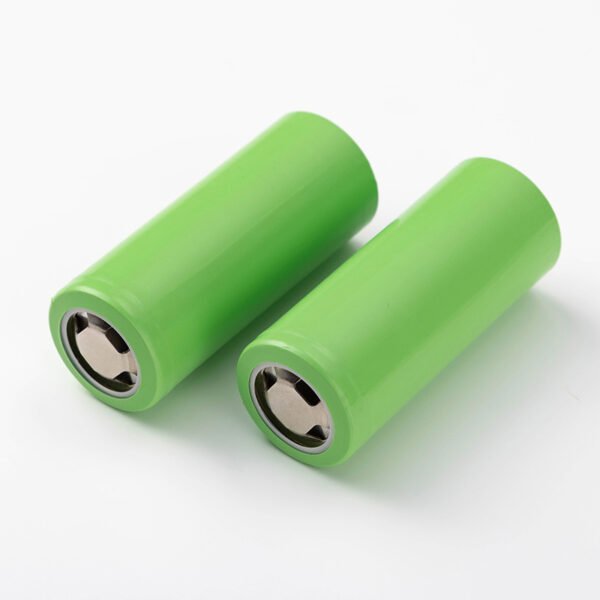
How to Choose Li-S Battery for Marine Mammal Tracking Tags
In the realm of marine biology and conservation, the ability to track marine mammals is paramount. However, the harsh realities of the marine environment present significant challenges for the technology used in these endeavors. Among the various components of a tracking tag, the battery is arguably the most critical. It is the lifeblood of the device, determining how long and how effectively researchers can gather vital data.
When it comes to powering these sophisticated tracking tags, Lithium-Sulfur (Li-S) batteries have emerged as a revolutionary solution. Unlike traditional Lithium-Ion batteries, Li-S batteries offer a unique set of advantages that make them ideally suited for the demanding requirements of marine mammal tracking. This article serves as a comprehensive guide for engineers and researchers on how to select the optimal Li-S battery for their specific tracking applications.
Understanding the Marine Environment
Before delving into the selection criteria, it is essential to understand the specific challenges that a tracking tag must overcome in a marine setting.
- Extreme Pressure: As marine mammals dive to great depths, the tracking tags must withstand immense hydrostatic pressure without failing.
- Corrosive Salinity: The high salinity of seawater is highly corrosive, necessitating robust sealing and materials for the battery and the tag housing.
- Temperature Fluctuations: Marine mammals traverse various oceanic layers, exposing the tags to a wide range of temperatures, from the warm surface to the cold depths.
- Weight and Size Constraints: The tag must be lightweight and aerodynamically designed to minimize drag and not impede the natural movement of the animal.
Why Li-S Batteries are Ideal for Marine Tracking
Lithium-Sulfur batteries have garnered significant attention in the field of marine mammal tracking due to their distinct chemical composition and physical properties.
- Unmatched Energy Density: Li-S batteries boast one of the highest theoretical energy densities of any battery chemistry. This translates to a significantly longer operational life for the tracking tag without increasing its size or weight. For long-term migration studies, this extended runtime is invaluable.
- Lightweight Composition: Sulfur, the cathode material in Li-S batteries, is much lighter than the metal oxides used in traditional Lithium-Ion batteries. This weight reduction is crucial for minimizing the impact of the tag on the animal’s behavior and energy expenditure.
- Environmental Tolerance: Advanced Li-S batteries are designed to operate efficiently in a wide range of temperatures, making them suitable for tracking mammals in both Arctic and tropical waters.
Selection Criteria for Li-S Batteries
When choosing a Li-S battery for a marine mammal tracking tag, several technical specifications must be carefully evaluated.
1. Energy Density and Capacity
The primary advantage of Li-S technology is its high energy density. When selecting a battery, prioritize models that offer the highest watt-hours per kilogram (Wh/kg). This ensures that the tag can operate for extended periods, potentially months or even years, without requiring a battery change. For instance, a high-capacity Li-S battery can power GPS transmitters, depth sensors, and satellite uplink modules for the duration of a migration cycle.
2. Pressure Resistance and Hermetic Sealing
Given the deep-diving capabilities of many marine mammals, the battery must be encased in a housing that can withstand high pressure. Look for batteries with hermetic seals that prevent electrolyte leakage and protect the internal chemistry from water ingress. The battery casing should be compatible with the tag’s overall pressure-resistant design.
3. Temperature Performance
Ensure that the Li-S battery selected has a broad operating temperature range. While marine mammals regulate their body temperature, the tag may be exposed to ambient water temperatures that can drop significantly at depth. A battery that maintains its performance in cold conditions is essential.
4. Safety and Stability
Safety is a non-negotiable factor when attaching equipment to live animals. Li-S batteries should utilize stable electrolytes and safety mechanisms to prevent thermal runaway, short circuits, or leakage of harmful chemicals into the marine environment. Look for batteries that comply with international safety standards for marine applications.
5. Customization and Form Factor
Every tracking tag design is unique. The ability to customize the battery’s shape, size, and connector type is often necessary to fit within the specific aerodynamic and hydrodynamic constraints of the tag. Prismatic or pouch cell configurations are often preferred for their flexibility in design.
Integrating Li-S Batteries into Tracking Tags
Once the appropriate Li-S battery has been selected, proper integration into the tracking tag is crucial.
- Secure Mounting: The battery must be securely mounted within the tag to prevent movement during the animal’s high-speed swimming or deep dives.
- Electrical Connections: Ensure that the electrical connections between the battery and the tag’s circuitry are robust and waterproof. Corrosion-resistant connectors are recommended.
- Thermal Management: Although Li-S batteries generally have good thermal properties, consider the heat generated by other components in the tag. Proper thermal management ensures that the battery operates within its optimal temperature range.
Conclusion
Selecting the right power source is a critical decision in the development of marine mammal tracking tags. Lithium-Sulfur batteries offer a compelling combination of high energy density, lightweight construction, and environmental tolerance that makes them the superior choice for these applications. By carefully considering the specific requirements of energy capacity, pressure resistance, temperature performance, and safety, researchers and engineers can choose a Li-S battery that will reliably power their tracking devices, enabling the collection of invaluable data on the behavior and migration patterns of marine mammals.
For those seeking high-performance primary lithium batteries for specialized applications, CNS BATTERY offers a range of solutions tailored to meet the rigorous demands of the marine and scientific communities. Their expertise in lithium battery technology ensures that researchers have access to the reliable power sources needed for their critical work. To learn more about their products and how they can support your marine tracking projects, visit their Product Center. For specific inquiries regarding product selection and customization, their team is available to assist you at their Contact Us page.
