The Strategic Advantage of 18650 LFP Cylindrical Batteries: Solving Lead Time Challenges
In the high-stakes world of B2B manufacturing and supply chain management, few things are more disruptive than a component shortage. If you are currently evaluating battery chemistries for your next project, you are likely weighing the pros and cons of different form factors. While Pouch and Prismatic cells dominate certain markets, the resurgence of the 18650 LFP (Lithium Iron Phosphate) Cylindrical Battery is solving a critical pain point for global buyers: unpredictable lead times.
This article explores why this specific chemistry and format are becoming the “safe bet” for OEMs, with a focus on how partnering with the right Chinese manufacturer can mitigate supply chain risks.
Why 18650 LFP is the “Supply Chain Insurance” for B2B
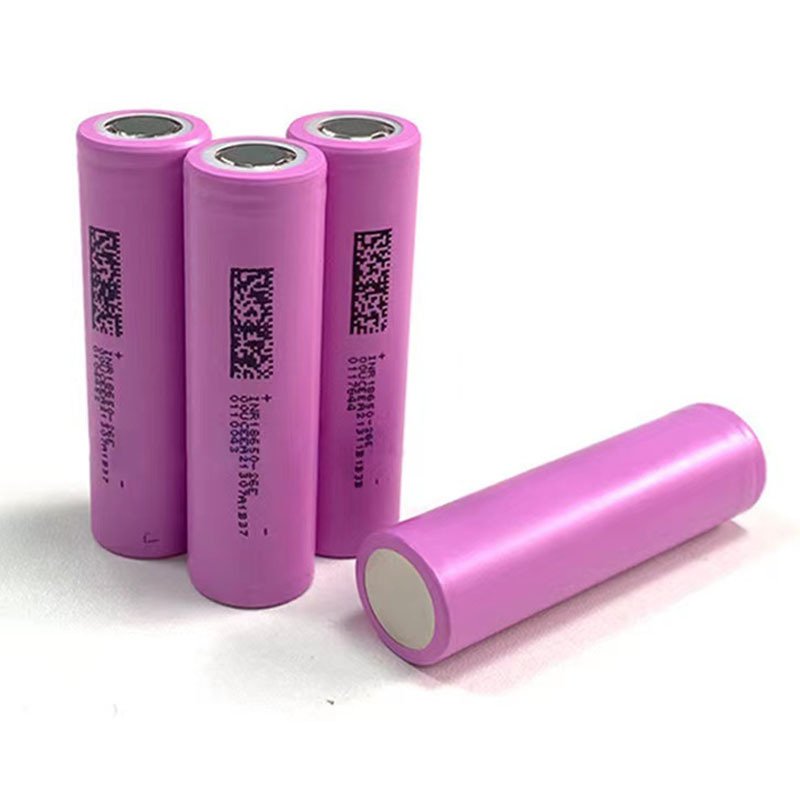
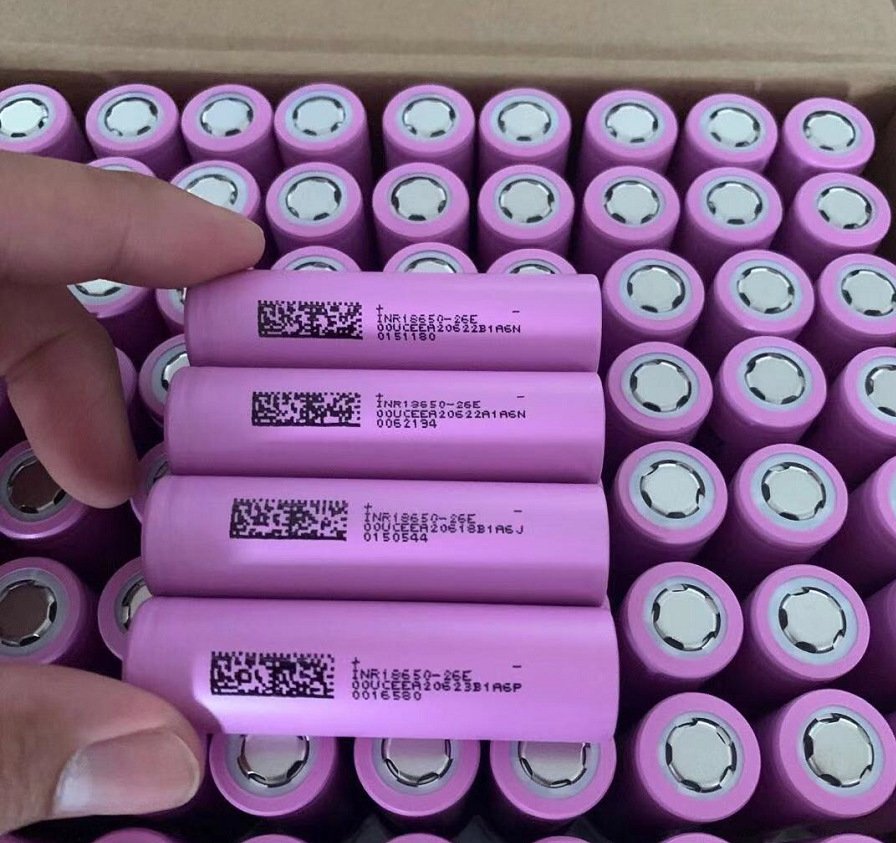
The “18650” designation refers to the industry-standard size (18mm diameter, 65mm height). When combined with LFP (Lithium Iron Phosphate) chemistry, it creates a component that is inherently easier to source reliably.
1. Standardization = Inventory Liquidity
Unlike custom Pouch or Prismatic cells, which are often “made-to-order” with long tooling lead times, the 18650 is a commodity. Because billions have been produced for laptops and power tools, there is a massive, pre-existing industrial infrastructure. If your project faces a sudden surge in demand, a standard cylindrical cell allows you to tap into a global pool of capacity that custom cells simply cannot match.
2. The “Iron” Advantage: Stability Over Volatility
LFP chemistry uses Iron and Phosphate, materials that are significantly more abundant and geopolitically stable than the Cobalt and Nickel used in NMC (Nickel Manganese Cobalt) batteries. For B2B procurement officers, this translates to:
- Price Stability: Less susceptible to the wild price swings of critical minerals.
- Longevity: LFP cells typically offer 2000-3000+ charge cycles, making them ideal for industrial equipment that needs to last years without degradation.
Technical Note: While LFP has a slightly lower energy density than NMC, the robust thermal and chemical stability of the phosphate structure makes it virtually immune to thermal runaway, a critical factor for UL/CE compliance in industrial applications.
The Lead Time Crisis: How to Solve It Today
Global logistics and raw material shortages have stretched lead times for custom batteries to 6-9 months in some cases. So, how do you solve this today?
The answer lies in hybrid sourcing. By utilizing the standard 18650 form factor, you can leverage “off-the-shelf” cell availability while customizing the Battery Management System (BMS) and pack assembly to fit your specific voltage and current requirements.
Strategic Procurement Steps:
- Lock the Cell: Identify a manufacturer with verified stock of 18650 LFP cells.
- Customize the Pack: Work with the supplier to design a bespoke module or battery pack that fits your device’s mechanical constraints.
- Audit Production: Ensure the factory has ISO certifications to avoid quality rejections that cause further delays.
Pro Tip: Many delays occur because buyers request custom cell chemistry formulations. By sticking to the proven LFP 18650 platform, you cut out the R&D validation phase and move straight to production.
Case Study: Powering Industrial IoT Sensors
Consider a European client manufacturing remote environmental sensors for agricultural use. Their initial design used a custom NMC Pouch cell.
- The Problem: The custom tooling lead time was 22 weeks, and the Cobalt supply chain was flagged as high-risk by their ESG (Environmental, Social, and Governance) compliance team.
- The Solution: We redesigned the battery compartment to accept a standard CNS 18650-3500 LFP cell. By utilizing the existing cylindrical platform, we reduced the lead time to 8 weeks.
- The Result: The client not only launched on schedule but also improved their product’s safety rating due to the inherent stability of the LFP chemistry in outdoor temperature extremes.
Selecting the Right Chinese Manufacturer: Beyond the Brochure
When searching for a “Battery Manufacturer in China,” it is easy to get lost in marketing hype. For a B2B relationship to work, you need transparency and technical capability.
Here is what to look for in a partner:
- Vertical Integration: Can they produce the cell and the pack? This reduces dependency on third-party cell suppliers, which is the primary cause of delays.
- Compliance Documentation: Do they have UL, IEC, or UN38.3 certifications readily available? A reputable supplier will provide these without hesitation to facilitate your import process.
- Audit Trails: Look for manufacturers who welcome factory audits or provide live video inspections.
Why Choose a Specialized Cylindrical Producer?
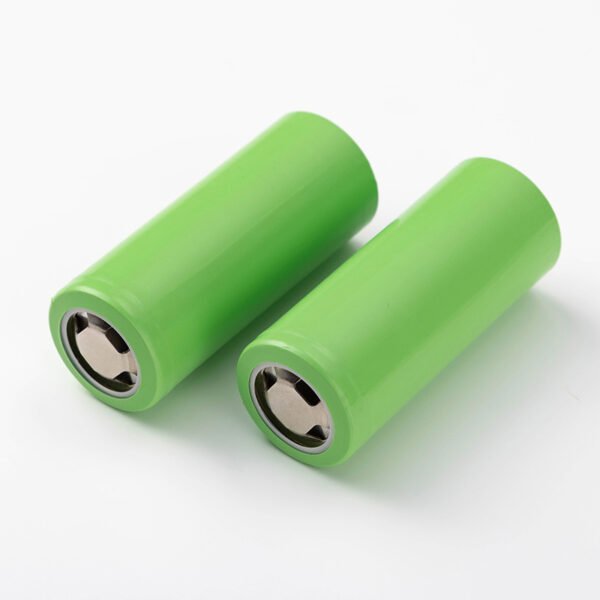
Manufacturers dedicated to cylindrical cells (like the 18650, 21700, and 32700 formats) often have highly automated production lines. This automation ensures consistency batch after batch, which is vital for maintaining your product’s quality control standards.
If you are ready to solve your lead time issues and secure a reliable supply of high-performance cylindrical batteries, it is time to engage with a partner who understands the urgency of global B2B logistics.
Contact a CNS Battery expert today to discuss your specific voltage, capacity, and lead time requirements. We offer comprehensive Cylindrical Battery Cells and customizable solutions to get your project moving.