
Here is the professional article tailored for your requirements, designed to engage B2B stakeholders in the Oil & Gas industry regarding Lithium Battery solutions.
The Critical Role of Primary Lithium Batteries in Suriname’s Oil & Gas Industry
Suriname’s rapidly expanding Oil & Gas sector faces unique operational challenges. Located in a tropical climate with remote offshore and onshore drilling sites, the industry demands energy solutions that are not only reliable but also resilient against extreme environmental conditions. Standard alkaline or lead-acid batteries often fail in these harsh settings, leading to costly downtime and maintenance. This is where Primary Lithium Batteries become a mission-critical component for instrumentation, telemetry, and safety systems.
For engineers and procurement managers overseeing Surinamese energy projects, the shift from conventional power sources to specialized Lithium technology is no longer optional—it is a necessity for operational continuity. This article explores the technical superiority of Primary Lithium Batteries in the context of Suriname’s specific geographical and industrial landscape.
1. Understanding Primary Lithium Battery Technology
Before diving into industrial applications, it is essential to understand the fundamental science that differentiates Primary Lithium Batteries from their rechargeable (Secondary) counterparts.
The Chemistry of Reliability
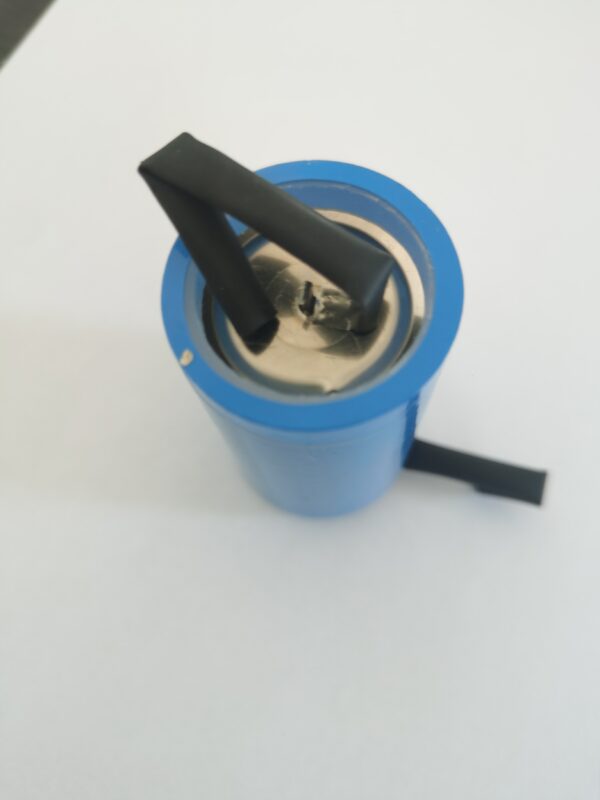
Unlike standard alkaline batteries that use zinc and manganese dioxide, Primary Lithium Batteries utilize Lithium metal as the anode. The most common variants for industrial use are Lithium-Thionyl Chloride (Li-SOCl₂) and Lithium-Manganese Dioxide (Li-MnO₂).
- High Energy Density: Lithium is the lightest metal and has the highest electrochemical potential. This translates to a significantly higher energy density (up to 3x higher than alkaline batteries), meaning these cells can power devices for years without needing replacement.
- Low Self-Discharge: One of the defining features of Primary Lithium cells is their incredibly low self-discharge rate (less than 1% per year). This allows them to sit on a shelf or in a device for a decade while retaining most of their charge.
- Voltage Stability: These batteries maintain a flat discharge curve. This means the voltage remains stable throughout the battery’s life, ensuring consistent performance for sensitive electronic equipment.
For the Surinamese Oil & Gas industry, where equipment is often deployed in unmanned locations, this longevity is a logistical and financial advantage.
2. The Tropical Challenge: Heat and Humidity
Suriname’s tropical climate, characterized by high humidity and consistent heat, is notoriously difficult for electronic hardware. Standard batteries suffer from rapid degradation, leakage, and corrosion in such environments.
- Thermal Resilience: Primary Lithium Batteries operate effectively in a wide temperature range, typically from -55°C to +85°C. This ensures that downhole tools, pipeline sensors, and flow meters continue to function reliably in the heat of the Surinamese jungle or the warm waters off its coast.
- Hermetic Sealing: To combat humidity, industrial-grade Lithium cells are hermetically sealed. This prevents moisture ingress, which is a primary cause of failure in standard batteries. The robust stainless-steel casing also protects against the corrosive salt spray found in offshore drilling platforms.
3. Applications in Oil & Gas Operations
In the context of Oil & Gas exploration and production, reliability is synonymous with safety. The failure of a sensor or a tracking device can lead to environmental hazards or safety incidents.
Key Use Cases:
- SCADA Systems & RTUs: Remote Terminal Units (RTUs) and Supervisory Control and Data Acquisition (SCADA) systems are the nervous system of pipeline networks. They require a “last resort” power source to maintain memory and communication during grid failures. Primary Lithium cells provide this critical backup power.
- Wireless Sensor Networks: Monitoring pressure, temperature, and flow rates in remote wells requires wireless sensors. Replacing batteries in these locations is expensive and time-consuming. Primary Lithium cells power these sensors for 10-15 years, aligning perfectly with the maintenance cycles of oil fields.
- Asset Tracking: For companies managing logistics between Paramaribo and remote drilling sites, tracking assets through GPS is vital. Lithium batteries ensure tracking devices remain active throughout long transit periods.
4. Why “Primary” vs. “Rechargeable” for Safety Systems?
A common question from technical buyers is: Why use a non-rechargeable battery in an industry that relies on constant power?
The answer lies in Passive Safety and Independence:
Rechargeable batteries require complex Battery Management Systems (BMS) to regulate charging. In hazardous environments (classified as Zone 1 or Zone 2), any spark or heat generated by a charging circuit poses a risk. Primary Lithium Batteries are purely passive devices. They do not generate heat during storage and do not require charging infrastructure, making them intrinsically safe for use in explosive atmospheres.
5. Selecting the Right Partner
For the Surinamese market, sourcing batteries is not just about the product but about the supply chain resilience. Projects often face long lead times and complex import logistics.
Engineering Expertise: Not all Lithium batteries are created equal. The specific formulation must match the discharge profile of the equipment. For high pulse applications (like transmitting data from a sensor), a hybrid or bobbin-type cell is required, whereas low drain applications (like memory backup) use different configurations.
Quality Assurance: Given the remote nature of operations, the cost of a battery failure is exponentially higher than the cost of the cell itself. Therefore, sourcing from manufacturers with rigorous quality control, adhering to ISO standards, and possessing the capability for customization is paramount.
6. Moving Forward
The Oil & Gas industry in Suriname is entering a new era of technological integration. As operations become more automated and data-driven, the demand for ultra-reliable, long-life power sources will only increase.
Investing in high-quality Primary Lithium Batteries is not merely a procurement decision; it is a strategic move to enhance operational safety, reduce maintenance overheads, and ensure that critical data is never lost due to a power failure.
For engineers and technical managers looking to upgrade their power solutions, it is crucial to partner with a manufacturer that understands the specific rigors of the energy sector.
Need a reliable power solution for your next project? Explore our range of industrial-grade Primary Lithium Batteries designed for extreme environments.
For technical specifications or custom inquiries, please contact our engineering team.
