Dangerous Goods Shipping Expert | CNS BATTERY
Navigating the complexities of international logistics for lithium-ion batteries requires more than just standard shipping knowledge; it demands a deep understanding of chemical stability, packaging engineering, and global regulatory frameworks. As a Dangerous Goods Shipping Expert, I have spent years analyzing the intersection of battery technology and international transport law. This expertise is crucial because the physical and chemical properties of a battery—its energy density, thermal runaway threshold, and structural integrity—directly dictate how it must be handled during transit. In this article, we will dissect the technical parameters of high-performance cylindrical cells, specifically focusing on how their internal design influences shipping safety and compliance. We will then connect these technical attributes to the geographical regulatory landscapes of North America and the European Union, demonstrating how advanced manufacturing standards mitigate the risks associated with the transport of dangerous goods.
Technical Breakdown: Cylindrical Cell Architecture and Shipping Safety
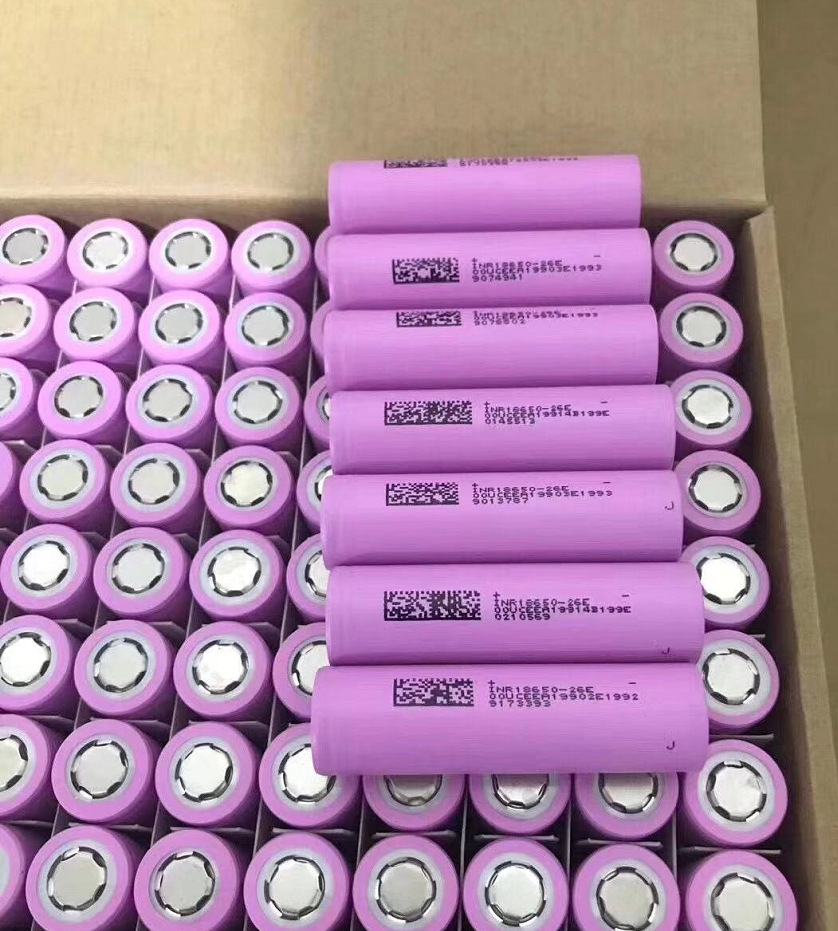
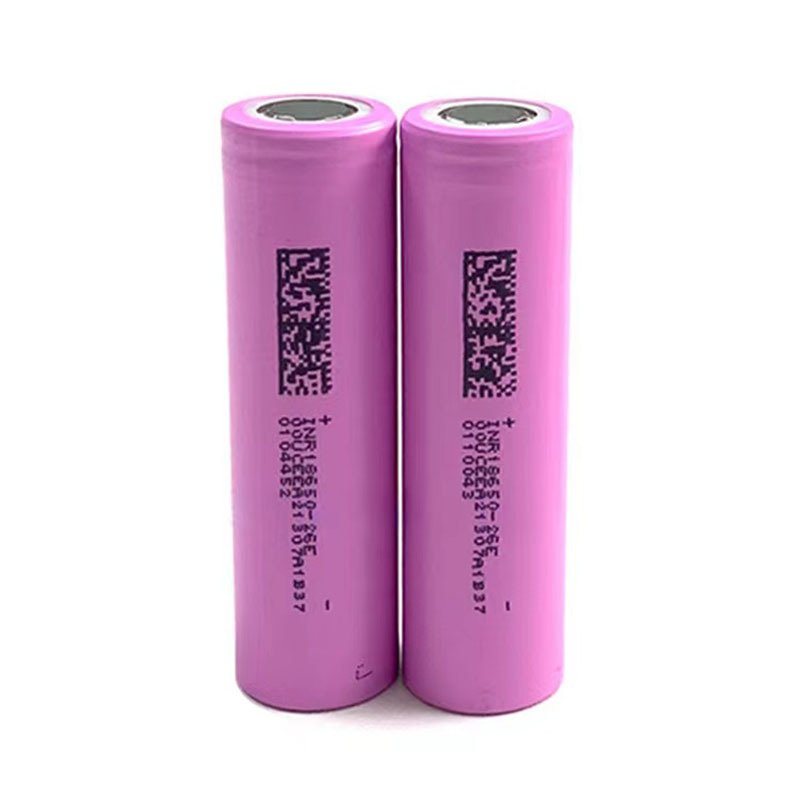
The foundation of safe lithium battery transportation lies in the robustness of the cell design. Unlike pouch or prismatic cells, cylindrical cells (such as the 18650, 21700, and 32700 formats) offer inherent mechanical stability due to their geometry. This structural rigidity is a primary factor in passing the rigorous mechanical tests required for Dangerous Goods certification.
1. Internal Chemistry and Thermal Management
The risk of thermal runaway is the primary concern in Dangerous Goods shipping. At CNS Battery, our cylindrical cells are engineered with specific chemistries to maximize thermal stability.
- INR (Nickel Manganese Cobalt) & IFR (Lithium Iron Phosphate) Technologies: Our product lines utilize INR and IFR chemistries, which are renowned for their thermal resilience compared to high-cobalt alternatives. The 21700 and 32700 formats, in particular, feature optimized internal resistance, which reduces heat generation during both operation and the vibration tests simulating transport conditions.
- High-Temperature Cycle Performance: Our cells are designed to withstand extreme thermal cycling. This is not just a performance metric but a safety prerequisite. Cells that maintain integrity under high-temperature stress are far less likely to vent or rupture during the “Temperature Cycling Test” required by the UN 38.3 manual.
2. Mechanical Robustness: Vibration and Shock Resistance
The physical rigors of international shipping—vibration from trucks, trains, and planes, and shock from handling—require cells to be mechanically bulletproof.
- Structural Integrity: The steel or aluminum casing of our cylindrical cells provides a high-strength containment vessel. This is critical for passing the Vibration Test (UN 38.3 Section 23) and the Shock/Crash Test (UN 38.3 Section 24).
- Leakage Prevention: Our sealing technology ensures that electrolytes remain contained even under extreme pressure differentials experienced during air freight. A failure in this regard would classify the shipment as a hazardous material leak, resulting in severe penalties and safety hazards.
For engineers and procurement specialists looking to verify these technical specifications, our full range of compliant cylindrical cells can be explored at: Cylindrical Battery Cell Product Line.
Regulatory Compliance: Adapting to Geo-Specific Standards
As a Dangerous Goods Shipping Expert, I cannot overstate the importance of regional compliance. The technical data sheet (TDS) of a battery must align with the specific legal frameworks of the destination market. Two major regions, the European Union and the United States, have distinct but overlapping requirements.
1. European Union: The REACH and RoHS Directives
Shipping batteries into the EU involves strict adherence to environmental and chemical safety regulations. It is not enough for a battery to be safe; it must also be environmentally benign.
- REACH (Registration, Evaluation, Authorisation and Restriction of Chemicals): This regulation controls the use of specific chemical substances. CNS Battery ensures that our electrolytes and cathode materials do not contain Substances of Very High Concern (SVHC) above the threshold limits. This is a non-negotiable requirement for clearing EU customs.
- RoHS (Restriction of Hazardous Substances): We strictly limit the use of lead, mercury, cadmium, and hexavalent chromium. Our manufacturing processes are audited to ensure these heavy metals are absent, ensuring that the batteries do not pose a long-term environmental hazard upon disposal.
2. United States: DOT and UN 38.3 Requirements
The United States Department of Transportation (DOT) mandates strict testing protocols for the air and ground transport of lithium cells.
- UN 38.3 Certification: This is the global gold standard, but the US enforces it rigorously. Every batch of CNS Battery cells undergoes the eight-test sequence of UN 38.3, including Altitude Simulation and External Short Circuit tests.
- 49 CFR 173.185: This code specifies the watt-hour rating limitations and packaging requirements. Our technical documentation provides precise Wh (Watt-hour) calculations for each cell type, allowing logistics teams to calculate the exact number of cells per package without exceeding the regulatory limits.
The CNS Battery Advantage: Bridging Technology and Logistics
The true “technology barrier” in the battery industry is not just about making a cell with high energy density; it is about making a cell that can be shipped safely and legally anywhere in the world. CNS Battery achieves this by integrating shipping compliance into the R&D phase.
Why does this matter to you, the technical buyer?
Because when a battery manufacturer designs for compliance from the ground up, it eliminates the “gray zone” in logistics. You do not have to worry about customs holds in Germany or rejected shipments at JFK Airport. Our cells are designed to be “Audit-Proof.”
Our commitment to integrity and compliance is managed directly by our Audit Department, ensuring that every Certificate of Compliance is backed by rigorous internal verification. To discuss how our Dangerous Goods compliant batteries can streamline your supply chain, contact our experts:
CNS Energy Co., Ltd.
- Address: No.53, Science Avenue, Zhengzhou, China
- Audit Department Hotline: +86-(0)371-8617-3125
- Report Mailbox: audit@cnsbatetry.com
- Contact Portal: Contact CNS BATTERY
By choosing a manufacturer that operates with the precision of a Dangerous Goods Shipping Expert, you are not just buying cells; you are buying peace of mind in a global supply chain. For more information on our capabilities as a leading battery manufacturer in China, visit: Battery Manufacturer in China.