2026 LFP Cylindrical Battery Supplier: Fix Thermal Runaway Prevention in ESS Using 18650 Cells Factory Direct
The energy storage system (ESS) market is undergoing a pivotal shift in 2026. As global demand for renewable integration surges, the industry is aggressively pivoting from traditional NMC pouch cells toward Lithium Iron Phosphate (LFP) chemistry. However, a critical challenge remains: mitigating thermal runaway in high-density storage environments. While prismatic and pouch LFP cells dominate headlines, a resurgence of engineering focus is returning to the humble 18650 cylindrical cell. As a leading manufacturer in China, we argue that the cylindrical format, specifically engineered LFP 18650 cells, offers a superior mechanical and thermal solution for next-generation ESS safety.
The Thermal Runaway Paradox in Modern ESS
Thermal runaway—the catastrophic, self-sustaining exothermic reaction within a battery cell—remains the primary safety concern for utility-scale and residential ESS. The transition to LFP (LiFePO4) is driven by its intrinsically stable Olivine crystal structure, which eliminates the oxygen release that fuels runaway in Cobalt-based chemistries. However, “intrinsic safety” does not equate to “zero risk.”
In large-format pouch or prismatic cells, a single internal short circuit can release massive energy rapidly due to high active mass volume. The challenge for engineers in 2026 is not just which chemistry to use, but how to package it to contain failure events. This is where the physics of the 18650 format provides a distinct advantage over its larger-format competitors.
Why the 18650 Format is the Mechanical Solution
1. The “Small is Safe” Principle
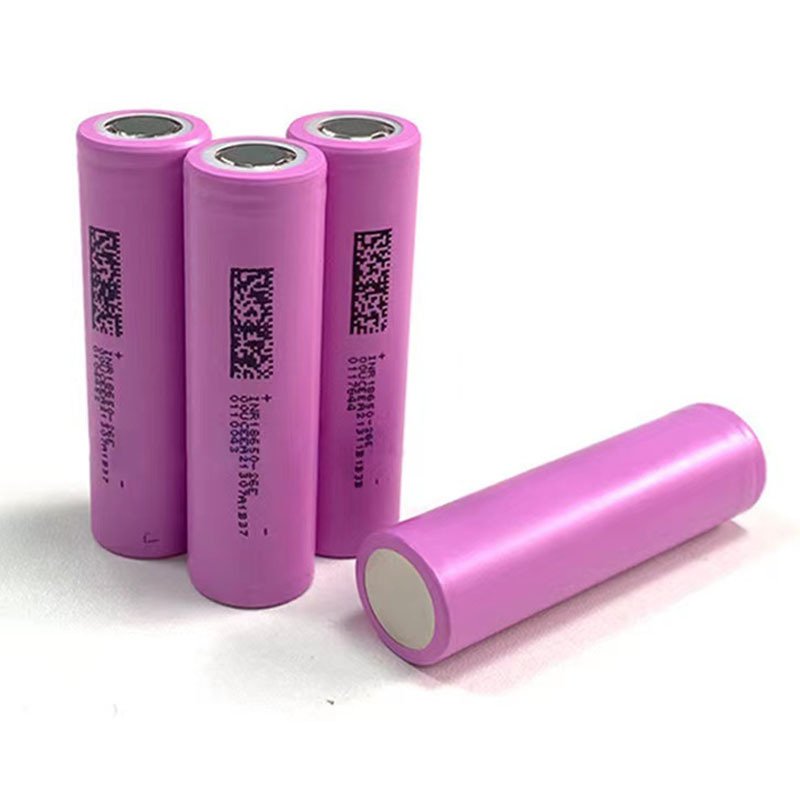
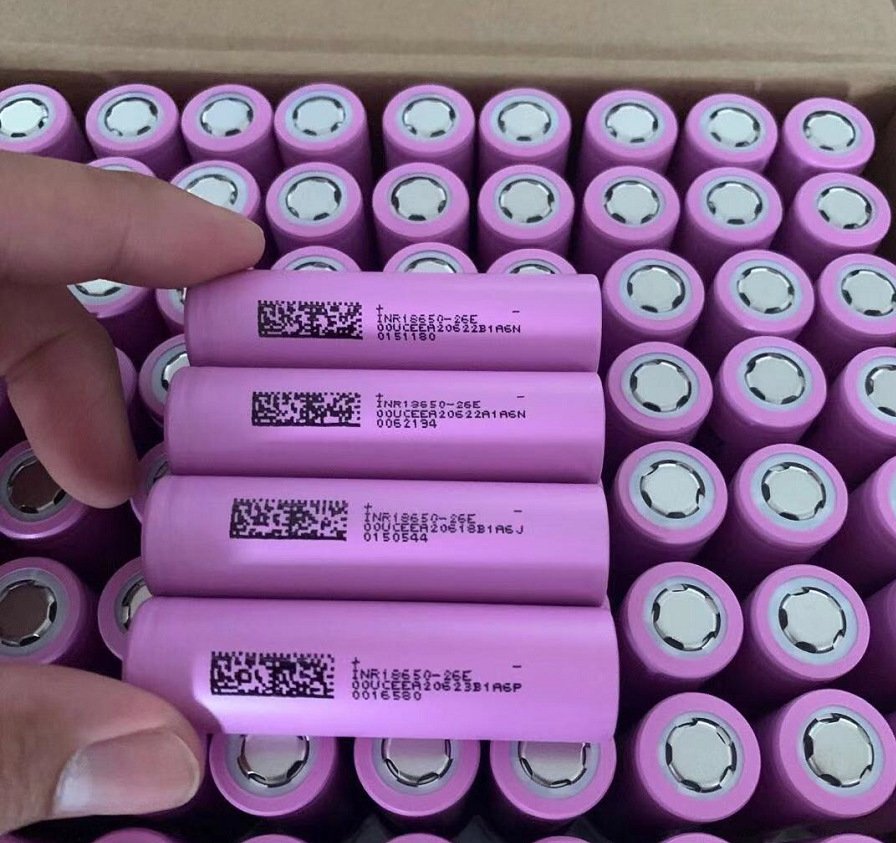
The 18650 cell (18mm diameter, 65mm height) represents a “sweet spot” in energy density and safety. Unlike a 100Ah prismatic cell that holds a massive amount of energy in one container, a 18650 cell typically contains less than 3.5Ah. In the event of a defect or internal short, the energy release is orders of magnitude smaller. This compartmentalization of energy means that if one cell fails, the thermal propagation to neighboring cells is significantly harder to initiate.
2. Robust Mechanical Structure
Cylindrical cells are hermetically sealed in thick, drawn stainless steel or nickel-plated steel cans. This robust casing acts as a pressure vessel during manufacturing and operation. For ESS applications where vibration resistance and structural integrity are paramount, the 18650 offers superior mechanical stability compared to the aluminum-laminated pouch cells, which are susceptible to swelling and puncture.
3. Superior Heat Dissipation Geometry
The cylindrical geometry offers a higher surface-area-to-volume ratio compared to large prismatic cells. In a densely packed ESS rack, heat generated during charging or discharging can be more efficiently conducted away from the core of the cell to the steel casing. When combined with proper module design (such as the “Honeycomb” cooling structure), this geometry prevents hotspots that can trigger thermal runaway.
Technical Deep Dive: LFP 18650 vs. Standard NMC
To understand why LFP 18650 is the 2026 standard for safety-focused ESS, we must analyze the electrochemistry:
| Parameter | Standard NMC 18650 | LFP (CNS) 18650 | Advantage for ESS |
|---|---|---|---|
| Chemistry | Lithium Nickel Manganese Cobalt Oxide | Lithium Iron Phosphate | LFP has no Cobalt (lower cost, no thermal instability). |
| Thermal Stability | Decomposes >150°C-200°C | Stable >270°C | LFP tolerates higher abuse temperatures without decomposition. |
| Gas Generation | High (Oxygen release) | Low (No oxygen release) | LFP cells are less likely to vent or explode. |
| Cycle Life | 500-1000 cycles | 2000-6000+ cycles | LFP drastically reduces ESS Levelized Cost of Storage (LCOS). |
| Voltage | 3.6V – 3.7V Nominal | 3.2V – 3.3V Nominal | Lower voltage reduces stress on BMS and inverter components. |
Technical Note: While the nominal voltage of LFP is lower (3.2V vs. 3.7V), this is a trade-off for safety. Modern Battery Management Systems (BMS) are optimized for this voltage window, and the elimination of cobalt reduces the “exothermic kick” that initiates thermal runaway.
Engineering the 2026 Standard: Beyond the Cell
Simply swapping NMC for LFP is not enough. As a manufacturer, we have engineered specific safety features into our 2026 LFP 18650 lineup to address ESS requirements:
- Advanced Safety Vent (ASV): Our cells feature a dual-stage safety vent. If internal pressure rises due to gas generation (from overcharge or internal defect), the vent opens at a precise pressure (typically 1.5-2.0 MPa) to release gas in a controlled direction, away from neighboring cells.
- Current Interrupt Device (CID): Integrated into the cell cap, this device permanently disconnects the cell if pressure exceeds safe thresholds, acting as a mechanical fuse.
- Thermal Stability Additives: We utilize proprietary electrolyte additives that increase the thermal runaway onset temperature, providing the BMS with crucial extra seconds to disconnect the circuit before catastrophic failure.
The Supply Chain Advantage: Factory Direct Reliability
In 2026, supply chain resilience is as critical as technical specs. Sourcing LFP Cylindrical Cells directly from the factory eliminates the markup and delays of middlemen. For ESS integrators, this means:
- Cost Control: Direct pricing allows for competitive bidding on large utility projects.
- Customization: Factory-direct relationships allow for tailored specifications (e.g., specific tab configurations, custom capacity bins) to optimize your specific module design.
- Quality Assurance: Direct access to the production line means real-time Quality Control (QC) data and traceability for every batch.
Conclusion: The Path Forward for Safe Energy Storage
The future of ESS safety lies in the combination of intrinsically stable chemistry (LFP) and mechanically robust packaging (18650). While the industry debates the size of the next “giant” cell, the engineering reality remains: smaller, standardized, and robustly cased cells offer the highest safety margin against thermal runaway.
As a Battery Manufacturer in China, we are committed to providing not just cells, but safety-engineered solutions for the global energy transition.
Ready to engineer a safer ESS for 2026?
Contact our technical sales team to request samples of our latest LFP 18650 cells, engineered for maximum thermal stability and longevity.
Contact Us for a Technical Consultation
Explore our Full Range of Cylindrical Battery Cells
Learn more about our manufacturing capabilities as a leading Battery Manufacturer in China