18650 LFP Cylindrical Battery for Electric Motorcycle: Long Cycle Life Complete Solution
Introduction
The electric motorcycle market is shifting from a focus on “range anxiety” to a demand for “durability and safety.” As fleets and riders put more miles on their bikes, the battery pack is no longer just an accessory—it is the engine. In this landscape, the 18650 LFP (Lithium Iron Phosphate) Cylindrical Battery has emerged as the industry standard for building robust, long-lasting power systems. This article explores why the 18650 LFP chemistry is the superior choice for electric motorcycles, detailing its technical advantages, specific use cases, and how to source a complete solution that guarantees performance.
Why 18650 LFP Cylindrical Cells Dominate the E-Motorcycle Market
When building a battery pack for an electric motorcycle, manufacturers have three main cell formats to choose from: Prismatic, Pouch, and Cylindrical (18650/21700). While prismatic cells offer high space efficiency, the 18650 cylindrical cell remains the gold standard for safety and manufacturability.
1. Inherent Safety of Cylindrical Design
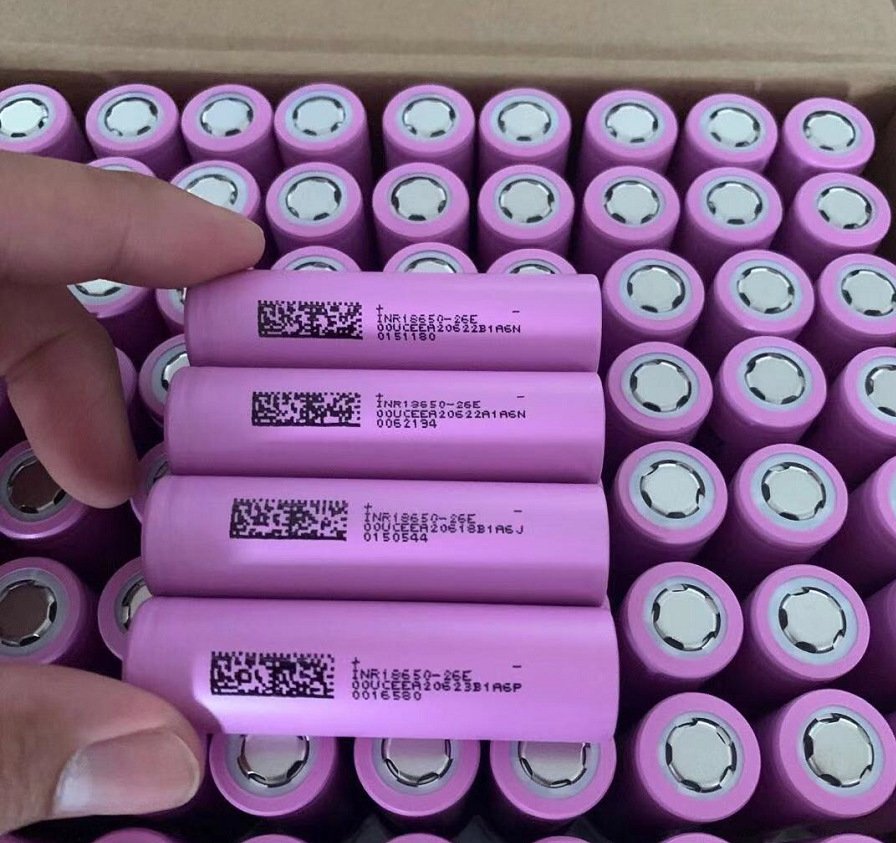
The 18650 format (18mm diameter, 65mm height) features a rigid steel or aluminum casing. Unlike pouch cells, which can swell or be punctured easily, the cylindrical can acts as a pressure vessel. In the event of a thermal event, the vent on the top of the cell directs gases safely away from the pack, preventing explosions. This structural integrity is critical for vehicles subjected to vibration and impact.
2. The Superiority of LFP Chemistry
Pairing the 18650 format with LFP (LiFePO4) chemistry solves the thermal instability issues found in traditional NMC (Nickel Manganese Cobalt) batteries.
- Thermal Stability: LFP cells do not enter thermal runaway until temperatures exceed 270°C, compared to 150°C for some NMC chemistries.
- Oxygen-Free: The crystal structure of LFP does not contain free oxygen, meaning the cell will not burn or release toxic fumes even under extreme stress.
3. Long Cycle Life: The Economic Advantage
The primary selling point for commercial operators is the long cycle life. Standard NMC 18650 cells typically last 500-800 cycles. In contrast, high-quality 18650 LFP cells can achieve 2,000 to 3,000 cycles at 80% Depth of Discharge (DoD). For a ride-sharing or delivery motorcycle, this means the battery can last the entire operational life of the vehicle without needing replacement, drastically reducing the Total Cost of Ownership (TCO).
Technical Deep Dive: Specifications for Heavy-Duty Use
To understand how these batteries perform, let’s look at the specific parameters that define a high-performance 18650 LFP cell suitable for motorcycles.
| Parameter | Typical LFP 18650 Specification | Significance for E-Motorcycles |
|---|---|---|
| Nominal Voltage | 3.2V | Lower voltage than NMC (3.7V), requiring more cells in series for high-voltage systems. |
| Capacity Range | 2.5Ah – 3.5Ah | Balances energy density with the physical space constraints of a motorcycle chassis. |
| Cycle Life | >2000 Cycles | Ensures the battery outlasts the motor and frame, reducing warranty claims. |
| Max Continuous Discharge | 5C – 10C (12.5A – 35A) | Provides the burst power needed for acceleration and hill climbing. |
| Operating Temperature | -20°C to 60°C | Essential for all-weather operation in diverse global climates. |
Note: While the energy density of LFP is slightly lower than NMC, the trade-off for safety and longevity is overwhelmingly preferred in the two-wheeler segment.
Real-World Applications and Case Studies
The 18650 LFP cylindrical battery is not just a theoretical solution; it is powering the next generation of urban mobility.
1. Commercial Delivery Fleets
For logistics companies operating electric scooters for food or package delivery, downtime is revenue lost. A fleet operator in Southeast Asia recently switched from NMC pouch cells to INR18650-3200 (a high-capacity variant often used in hybrid chemistries or high-stability LFP configurations) for their last-mile delivery bikes.
- The Problem: NMC packs were swelling after 6 months of daily fast charging, and range dropped significantly in the summer heat.
- The Solution: By utilizing a robust 18650 LFP pack, the fleet achieved consistent performance even in 40°C ambient temperatures. The mechanical strength of the 18650 cells prevented deformation during rough road conditions.
- The Result: The fleet reported zero thermal incidents in 12 months and a 40% reduction in battery maintenance costs.
2. High-Performance Electric Bikes
For higher-speed electric motorcycles (Class 3+), the focus shifts to power density. Manufacturers are utilizing 18650 Power Cells (such as the ISR18650-2200) which prioritize discharge rate over capacity.
- Scenario: An electric dirt bike manufacturer required a cell that could handle 30A continuous discharge without overheating.
- Solution: The cylindrical design allowed for efficient heat dissipation between cells. By leaving air gaps in the pack design (easy with cylindrical cells), the manufacturer achieved passive cooling that kept the cells within the optimal 25°C-40°C operating window during intense races.
Building a Complete Solution: From Cell to Pack
Selecting the raw cell is only the first step. A “complete solution” for an electric motorcycle involves three critical layers: the Cell, the Battery Management System (BMS), and the Mechanical Integration.
1. The Role of the BMS
An electric motorcycle draws high current spikes. A standard BMS will fail. You need a High-Voltage, High-Current BMS specifically designed for 18650 LFP stacks. This system must monitor every parallel group to prevent cell imbalance, which is the primary cause of premature pack failure.
2. Mechanical Integration
The chassis of an electric motorcycle acts as the battery box. The 18650 format offers incredible flexibility in pack shaping. Whether the frame requires a “T” shape, “L” shape, or a flat under-seat pack, the small footprint of the 18650 cell allows engineers to fill the available space perfectly, maximizing kWh without compromising the vehicle’s center of gravity.
3. Customization for OEMs
Every motorcycle manufacturer has different voltage and capacity requirements. A standard 48V or 60V pack might not fit. This is where working with a manufacturer that offers custom 18650 battery solutions is vital. From定制 the nickel plating configuration to designing custom plastic carriers that snap into the frame, the ability to adapt the cell to the vehicle is what separates a prototype from a production-ready product.
Procurement and Sourcing Strategy
For B2B buyers and OEMs, sourcing the right 18650 LFP cells requires due diligence.
1. Quality Control
The market is flooded with “grade A” cells that are actually rejects. To ensure you are getting a long cycle life product, demand:
- Capacity Testing: Every cell must be sorted (graded) to ensure it meets the Ah rating.
- Internal Resistance Testing: High resistance leads to heat. Cells must be matched within tight tolerances (±5%).
- Aging Test: Cells should be aged for at least 7 days to identify early failures.
2. Compliance and Certification
Before shipping to the EU, US, or other markets, your battery must comply with transportation and safety regulations.
- UN38.3: Mandatory for the transport of lithium batteries by air or sea.
- RoHS/Reach: Environmental compliance for heavy metals.
3. Why Choose a Specialized Manufacturer?
General battery suppliers often sell “one-size-fits-all” cells. For electric motorcycles, you need a partner with experience in vibration testing and crash simulation. Look for manufacturers who have already developed solutions for Nissan Leaf conversions or power tool industries, as these cells share similar ruggedness requirements.
Conclusion
The 18650 LFP Cylindrical Battery offers a perfect balance of safety, longevity, and mechanical versatility for the electric motorcycle industry. By understanding the technical specifications and focusing on a complete system solution—including a robust BMS and proper thermal management—manufacturers can build bikes that last longer and perform better.
If you are developing an electric motorcycle or upgrading an existing fleet, do not compromise on the core component. Investing in high-quality, tested 18650 LFP cells is the only way to guarantee customer satisfaction and minimize long-term costs.
Ready to build your durable e-motorcycle power solution?
Explore the full range of Cylindrical Battery Cells designed for high-performance applications, or contact our engineering team to discuss a customized 18650 solution for your specific vehicle architecture.
Explore Cylindrical Battery Products
Contact Our Engineering Team