
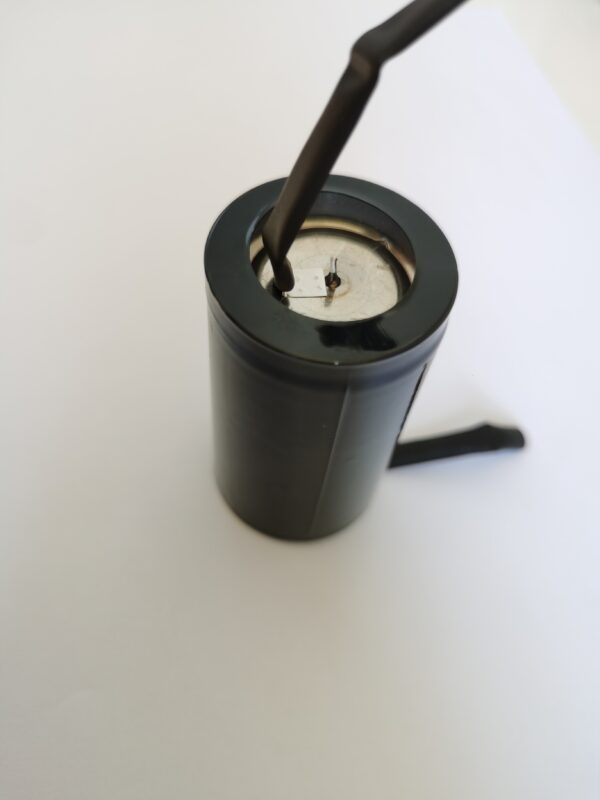
The Unseen Guardian: How Li-SOCl₂ Batteries Power Corrosion Monitoring in Chemical Plants
In the high-stakes environment of a chemical plant, corrosion is the silent adversary. It threatens structural integrity, operational safety, and financial bottom lines. As an industry expert, I understand that monitoring this relentless process requires sensors that are not just accurate, but also incredibly resilient. This is where the Lithium-Thionyl Chloride (Li-SOCl₂) battery steps out of the shadows to become the unsung hero of industrial IoT.
For engineers and procurement managers, the challenge isn’t just finding a sensor; it’s finding a power source that can match the sensor’s lifespan and endure the harshest conditions. Let’s explore why Li-SOCl₂ chemistry is the definitive choice for corrosion monitoring applications.
The Chemistry Behind the Longevity
At the heart of this reliability lies the unique electrochemistry of Lithium-Thionyl Chloride. Unlike standard alkaline or lithium-ion batteries, Li-SOCl₂ cells utilize a liquid cathode (thionyl chloride) and a lithium metal anode. This combination results in the highest energy density of any commercially available primary battery chemistry.
Why does this matter for your plant?
The energy density of Li-SOCl₂ batteries typically exceeds 1,000 Wh/kg. This translates directly into operational longevity. In a corrosion monitoring scenario, where sensors are often embedded in concrete or attached to pipelines in remote locations, the ability to function for 10 to 20 years without maintenance is not just a convenience—it is a necessity.
Overcoming the “Voltage Delay” Myth
One of the most common technical hurdles engineers face with standard Li-SOCl₂ cells is the “voltage delay.” When a standard Li-SOCl₂ cell is first connected to a load, there is a temporary voltage drop due to the formation of a passivation layer on the lithium anode. For a standard consumer device, this might cause a glitch. For an industrial sensor, it could mean a missed critical data point.
The Solution:
Advanced Li-SOCl₂ batteries designed for industrial use often incorporate a hybrid layer capacitor (HLC) or utilize specific cell designs that mitigate this delay. This ensures that the sensor receives a stable voltage immediately upon activation, guaranteeing that the first reading—and every reading thereafter—is accurate.
Performance in Extreme Environments
Chemical plants are not controlled laboratories. They are environments of extreme temperature swings, high humidity, and constant vibration. Standard batteries fail here because they cannot handle the thermal stress or the chemical fumes.
Li-SOCl₂ batteries operate
