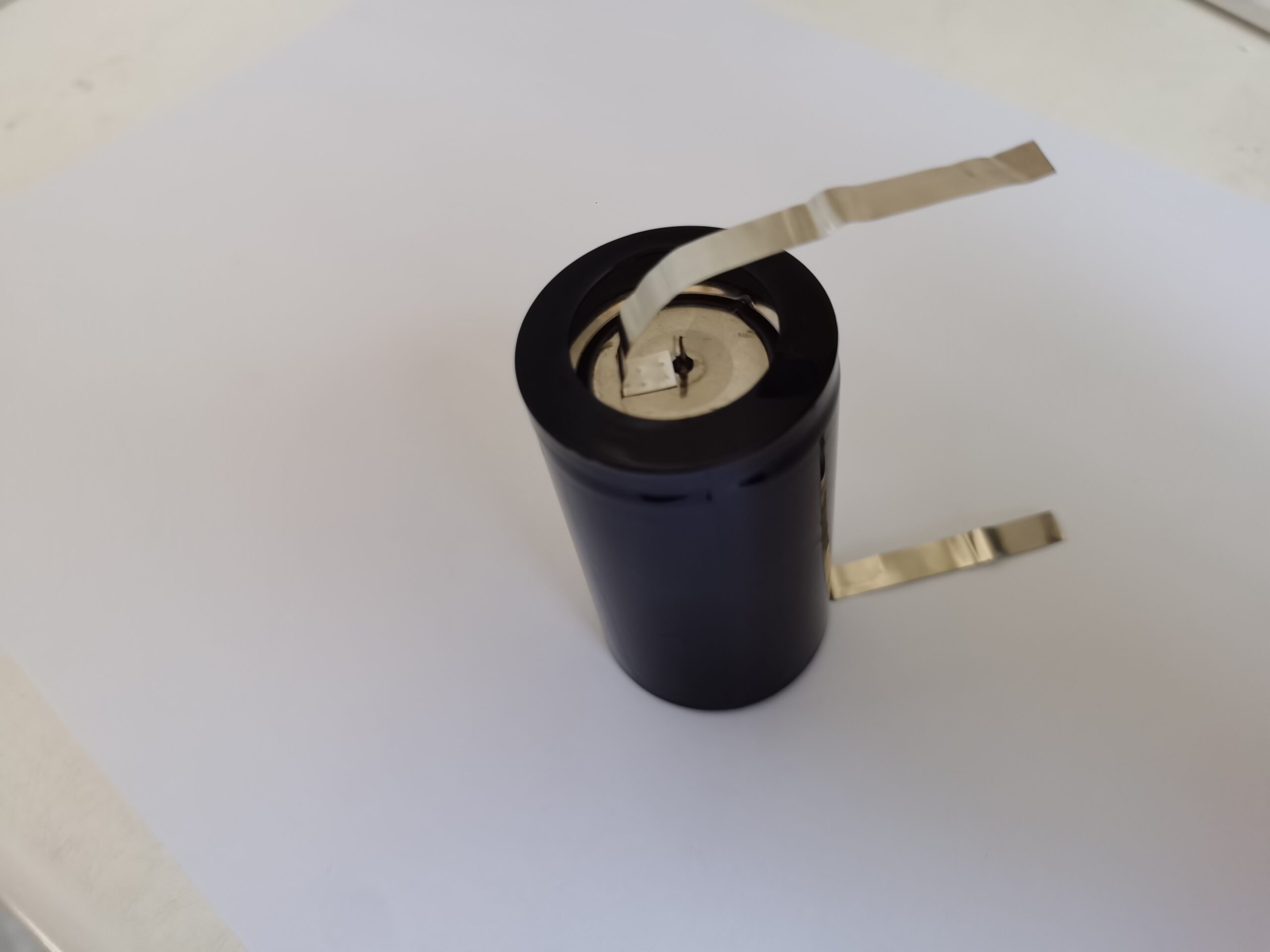
Complete Long Cycle Life Solution for Solar Storage Using High-Quality 18650 LFP Cells 2026 Buyer’s Guide
In the rapidly evolving landscape of renewable energy, the quest for efficient, durable, and cost-effective solar storage solutions has never been more critical. As we navigate 2026, businesses and consumers alike are shifting their focus from mere energy capacity to the total cost of ownership over a system’s lifespan. This is where the convergence of 18650 Lithium Iron Phosphate (LFP) technology and robust engineering offers a compelling answer. Unlike traditional energy storage options that degrade rapidly, a well-engineered 18650 LFP solution provides a complete long cycle life, ensuring your solar investment pays dividends for decades.
For industry professionals seeking a reliable partner in this domain, understanding the technical nuances of cylindrical cell architecture is paramount. This guide serves as your definitive 2026 buyer’s manual, dissecting the technology, and highlighting why specific manufacturing standards are non-negotiable for commercial success.
The Technical Foundation: Why 18650 LFP?
To appreciate the longevity of modern solar storage, we must first look at the core chemistry and form factor. The 18650 cylindrical cell—named for its 18mm diameter and 65mm length—has long been the workhorse of the lithium-ion industry. However, not all 18650 cells are created equal, especially when it comes to solar applications.
1. The Chemistry of Stability: Lithium Iron Phosphate (LFP)
While early lithium batteries relied on Cobalt or Nickel chemistries (NMC), the industry standard for heavy-duty storage has pivoted to LFP. This shift is driven by safety and cycle life.
- Thermal Stability: LFP cells exhibit superior thermal runaway resistance compared to NMC. In a solar setup that may experience fluctuating ambient temperatures, this inherent safety is crucial.
- Cycle Life: Where standard NMC cells might offer 500-1,000 cycles, high-quality 18650 LFP cells can exceed 3,000 to 5,000 cycles while maintaining 80% of their original capacity. This directly translates to a 10-15 year lifespan in typical residential or commercial solar applications.
2. The Engineering of Cylindrical Cells
The cylindrical design offers distinct mechanical advantages:
- High Structural Integrity: The rigid steel or aluminum casing protects the internal jelly roll from external pressure and internal swelling.
- Superior Heat Dissipation: The geometry allows for efficient heat transfer to the battery pack’s cooling system, preventing hotspots that degrade performance.
Technical Note: When evaluating suppliers, always inquire about the “State of Health” (SoH) retention curves. A premium 18650 LFP cell should retain >80% capacity after 3,000 full-depth cycles.
Decoding the 2026 Buyer’s Checklist
As the market matures, distinguishing between a “cheap” battery and a “cost-effective” battery requires a keen eye. Here are the five pillars you must verify before making a purchasing decision.
1. Cell Consistency (The “Sigma” Factor)
In a solar storage system, thousands of cells work in parallel and series. If one cell degrades faster than its neighbors, it creates a bottleneck. Top-tier manufacturers utilize automated production lines with rigorous sorting (binning) processes to ensure voltage and capacity deviations are within a tight sigma range (typically <1%).
2. Safety Mechanisms
Solar energy storage often operates in unattended environments (garages, basements, or outdoor enclosures). Look for cells equipped with:
- CID (Current Interrupt Device): A safety fuse that permanently disconnects the cell if internal pressure exceeds safe limits.
- PTC (Positive Temperature Coefficient) Thermistor: A device that increases resistance dramatically if the temperature rises too high, acting as a resettable fuse.
3. Environmental Resilience
Solar systems are not always installed in climate-controlled labs. Your chosen cells must perform reliably in a wide temperature range. A robust 18650 LFP solution should function effectively from -20°C to 60°C, with charging capabilities often restricted to above 0°C to prevent lithium plating.
4. Depth of Discharge (DoD) Tolerance
A key metric for solar storage is how much of the battery’s capacity you can actually use. High-quality LFP cells allow for a 100% Depth of Discharge (DoD) without immediate damage, though 80-90% DoD is typically recommended for maximizing cycle life. This flexibility ensures you get the most “usable” energy out of your system.
5. Supply Chain Transparency
In 2026, supply chain ethics and traceability are no longer optional. Ensure your manufacturer adheres to ISO 9001 standards and can provide documentation regarding the sourcing of raw materials to meet local compliance regulations in your region.
Integrating 18650 LFP into Your Solar Ecosystem
Selecting the cell is only half the battle; integration is the other. A complete long cycle life solution requires sophisticated Battery Management Systems (BMS).
The Role of the BMS:
The BMS is the brain of your solar storage unit. It must be specifically calibrated for the flat voltage curve of LFP chemistry. Unlike lead-acid batteries, which have a steep voltage drop as they discharge, LFP cells maintain a steady voltage for most of their discharge cycle. An inaccurate BMS can lead to over-discharge, which is fatal to lithium cells.
Modularity and Scalability:
One of the greatest advantages of the 18650 format is its modularity. Whether you need a compact 2kWh unit for a residential backup or a massive 100kWh commercial array, the same core cell technology can be scaled. This simplifies inventory management for distributors and system integrators.
Why Partner with a Leading Chinese Manufacturer?
China remains the epicenter of advanced lithium-ion manufacturing, producing over 70% of the world’s battery cells. However, the landscape is shifting from mass production to “precision manufacturing.” Partnering with an established OEM/ODM battery manufacturer in China offers distinct advantages:
- Vertical Integration: Top manufacturers control the entire process, from raw material processing to final cell assembly. This vertical integration ensures quality control at every step, a necessity for achieving the promised long cycle life.
- Cost Efficiency: Due to the scale of the supply chain in China, manufacturers can offer competitive pricing without sacrificing quality. This allows you to offer high-performance solar storage solutions at market-leading prices.
- Customization: Every solar application is unique. Leading Chinese factories offer customized cylindrical battery solutions, allowing you to tailor the voltage, capacity, and physical dimensions of the battery pack to fit your specific hardware design.
Conclusion: Securing Your Energy Future
Investing in solar storage is a long-term commitment. By choosing a Complete Long Cycle Life Solution based on high-quality 18650 LFP Cells, you are not just buying batteries; you are purchasing energy security and a significant return on investment.
As you evaluate partners for your 2026 projects, prioritize manufacturers who demonstrate a commitment to automated production, rigorous quality testing, and chemical purity. The right partner will provide not just a product, but a technical dossier proving their claims of longevity and safety.
Partnering for Performance
For businesses seeking a reliable source of high-cycle-life cylindrical batteries, CNS BATTERY stands as a benchmark in the industry. With a legacy of craftsmanship and a focus on R&D, CNS BATTERY offers a comprehensive range of cylindrical cells designed for the rigors of solar energy storage.
Their commitment to quality ensures that each cell meets the stringent demands of modern solar applications, providing the durability and performance your projects require.
Ready to upgrade your solar storage solutions?
- Explore the Product Range: Discover the full spectrum of cylindrical battery cells engineered for longevity and power at the Cylindrical Battery Cell product page.
- Connect with Experts: For specific inquiries regarding OEM/ODM projects or technical specifications, contact the CNS BATTERY team directly via the Contact Information page.
- Learn More: Dive deeper into the capabilities of a leading Battery Manufacturer in China to understand how their solutions can differentiate your brand in a competitive market.