

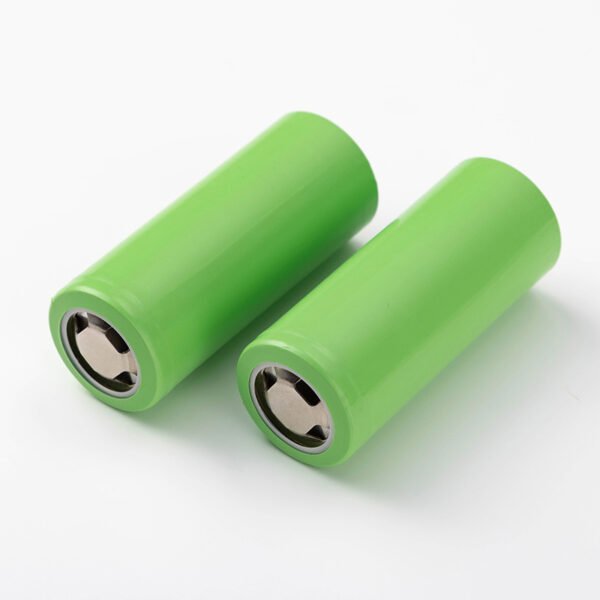
Carbon Footprint Declared Cylindrical Battery: The Future of Sustainable Energy
In the rapidly evolving landscape of energy storage, the demand for transparency and sustainability has never been higher. As global industries pivot towards greener solutions, the concept of a “Carbon Footprint Declared Cylindrical Battery” is emerging as a critical benchmark for B2B procurement and engineering decisions. This isn’t just about powering devices; it is about powering the future responsibly.
For manufacturers and OEMs, the shift towards low-carbon supply chains is no longer optional—it is a regulatory and ethical imperative. A Carbon Footprint Declared battery provides a quantifiable metric, allowing businesses to audit their Scope 3 emissions accurately. This declaration covers the entire lifecycle, from raw material extraction and processing to manufacturing and distribution. By choosing cylindrical cells with a verified low carbon footprint, companies can significantly reduce the environmental impact of their end products, whether they are electric vehicles, energy storage systems, or high-performance power tools.
Cylindrical batteries have long been the gold standard for reliability and thermal management. However, the integration of carbon footprint declarations adds a new layer of value. It signifies a manufacturer’s commitment to not only performance but also planetary health. This transparency builds trust with stakeholders and end consumers who are increasingly demanding eco-friendly products. For the lithium-ion industry, this represents a pivotal evolution from单纯的 energy density metrics to holistic environmental stewardship.
The Technical Edge of Cylindrical Architecture
The cylindrical cell format remains the most robust and scalable solution in the lithium-ion ecosystem. Unlike pouch or prismatic designs, the cylindrical architecture offers superior mechanical stability and thermal runaway resistance. The “Carbon Footprint Declared” status enhances this technical superiority by ensuring that the engineering excellence is matched by environmental responsibility.
One of the key advantages of modern cylindrical cells is their high energy density. Advanced chemistries, such as Nickel Manganese Cobalt (NMC) and Lithium Iron Phosphate (LFP), are optimized within the cylindrical form factor to deliver maximum power in minimal space. This efficiency directly correlates with lower transportation emissions, as fewer cells are required to achieve the same energy output. Furthermore, the rigid casing of cylindrical cells allows for tighter packing and better heat dissipation, reducing the energy required for thermal management systems in large battery packs.
Another technical benefit is the longevity and cycle life. High-quality cylindrical cells can endure thousands of charge-discharge cycles with minimal degradation. From a carbon accounting perspective, this extended lifespan means fewer batteries need to be manufactured, transported, and recycled over time. This “cradle-to-grave” efficiency is a crucial component of the carbon footprint calculation, making durable cylindrical cells a smarter choice for sustainable engineering.
Manufacturing Excellence and Supply Chain Integrity
Achieving a low carbon footprint in battery manufacturing requires more than just good intentions; it demands rigorous process control and supply chain management. Leading manufacturers utilize automated production lines powered by renewable energy sources to minimize the carbon intensity of the manufacturing phase. This includes solvent recovery systems, energy-efficient drying ovens, and closed-loop water treatment facilities.
Supply chain integrity is equally vital. A Carbon Footprint Declared battery necessitates full traceability of raw materials. This means verifying that lithium, cobalt, nickel, and graphite are sourced from mines and refineries adhering to strict environmental and social governance (ESG) standards. By eliminating “dirty” materials from the supply chain, manufacturers can drastically reduce the embedded carbon emissions of their cells. This level of transparency also protects B2B clients from reputational risks associated with unethical sourcing.
Quality control is the final pillar of this sustainable ecosystem. Automated optical inspection (AOI) and high-precision sorting ensure that only defect-free cells enter the market. Rejecting substandard cells at the production stage prevents wasted energy and materials, further optimizing the carbon footprint. For global partners, this means receiving a product that meets not only technical specifications but also stringent sustainability criteria.
Applications Driving the Green Transition
The versatility of cylindrical batteries makes them ideal for a wide range of applications that are central to the green energy transition. In the realm of Electric Vehicles (EVs) and Light Electric Vehicles (LEVs), such as e-bikes and scooters, cylindrical cells provide the power density and safety required for urban mobility solutions. By utilizing cells with a declared carbon footprint, manufacturers can produce vehicles that are truly zero-emission from a lifecycle perspective.
For Energy Storage Systems (ESS), cylindrical batteries are the backbone of renewable integration. Whether it is residential solar storage or grid-scale installations, these cells enable the efficient capture and release of clean energy. The durability and thermal stability of cylindrical formats ensure that these systems operate reliably for decades, maximizing the return on investment for renewable energy projects.
In the industrial sector, high-drain cylindrical cells power the next generation of cordless power tools and automated guided vehicles (AGVs). These applications demand high C-rates and robustness. By choosing sustainable cylindrical batteries, industrial operators can reduce their operational carbon footprint while maintaining peak performance. This makes the Carbon Footprint Declared Cylindrical Battery not just a component, but a catalyst for a sustainable industrial future.
Partnering for a Sustainable Future
As the industry standard bearer for sustainability, we invite global partners to explore our comprehensive range of cylindrical battery solutions. Our commitment to transparency and environmental responsibility is matched by our dedication to engineering excellence and customer support.
To learn more about how our Carbon Footprint Declared Cylindrical Batteries can meet your specific technical and sustainability requirements, please visit our product page or contact our team of experts today.
- Explore our Cylindrical Battery Range: Cylindrical Battery Cell
- Contact Our Sales Team: Contact Information
- Learn more about our manufacturing capabilities: Battery Manufacturers in China


