

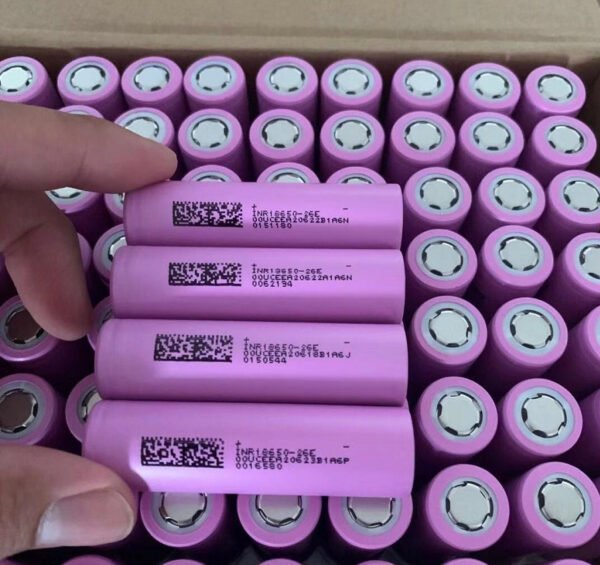
Ultimate Guide to 18650 LFP Cells for EV 2026 – Complete Low Temperature Performance Focus
As we move into 2026, the electric vehicle (EV) landscape is no longer just about range; it is about resilience. For engineers and technical buyers operating in regions like the Northern United States, Canada, or Northern Europe, the Achilles’ heel of lithium-ion technology remains the same: performance degradation in sub-zero temperatures.
While the industry rushes towards 4680 form factors, the 18650 LFP (Lithium Iron Phosphate) cell remains a critical workhorse for specific EV applications, including electric bikes, scooters, and auxiliary systems. This guide cuts through the marketing hype to provide a technical deep dive into the 2026 standards for 18650 LFP cells, specifically focusing on low-temperature performance optimization.
Why 18650 LFP Still Matters in 2026
Despite the shift to larger formats, the 18650 offers unmatched manufacturing maturity and thermal management advantages due to its high surface-area-to-volume ratio. For LFP chemistry, this is crucial because while LFP is inherently safer and has a longer cycle life than NMC, it traditionally suffers from lower ionic conductivity in cold environments.
The Core Physics of Cold Weather Failure
To understand the 2026 advancements, we must revisit the physics. When temperatures drop below 0°C (32°F), the viscosity of the liquid electrolyte increases. This restricts the movement of Lithium-ion ($Li^+$) between the cathode and anode. In standard cells, this results in:
- Plating: Lithium metal deposits on the anode surface instead of intercalating, causing permanent capacity loss.
- Voltage Sag: Significant drop in terminal voltage, triggering BMS under-voltage cutoffs.
Decoding the 2026 Low-Temperature Specifications
When sourcing cells for 2026 EV projects, you must look beyond the standard “25°C” rated capacity. Here is the technical specification matrix you should demand from suppliers.
Table 1: Standard 18650 LFP Specifications vs. Low-Temp Optimized (2026)
| Parameter | Standard 18650 LFP | 2026 Low-Temp Optimized LFP |
|---|---|---|
| Rated Capacity (25°C) | 2500 mAh – 3500 mAh | 2000 mAh – 3000 mAh (Optimized for density and kinetics) |
| Discharge @ -20°C | < 50% of rated capacity | > 85% of rated capacity |
| Internal Resistance (25°C) | < 35 mΩ | < 20 mΩ (Critical for cold starts) |
| Charge Cut-off | Usually prohibited < 0°C | Supports limited charge down to -10°C with specific protocols |
| Electrolyte Formula | Standard EC/DMC | Low-Viscosity Solvents (e.g., EMC, Methyl Acetate) |
The 3 Pillars of Low-Temperature Performance
To achieve the specifications listed above, modern 18650 LFP cells utilize a triad of technological upgrades. As a technical buyer, you should interrogate your supplier on these three points:
1. Electrolyte Engineering: The “Blood” of the Cell
The single most significant advancement in 2026 is the electrolyte cocktail. Standard electrolytes freeze or become too viscous. Leading manufacturers now use a blend of co-solvents with low melting points.
- Additives: VC (Vinylene Carbonate) and FEC (Fluoroethylene Carbonate) are used to form a robust SEI (Solid Electrolyte Interphase) layer that remains flexible in the cold, preventing crack formation and electrolyte leakage.
- Artificial Graphite with Expanded Layer Spacing: This reduces the energy barrier for ion insertion.
- Surface Coating: Amorphous carbon coatings on the anode particles provide additional pathways for ion transfer during cold cranking.
3. Precision Thermal Management Design
No cell chemistry is immune to physics. The third pillar is system design.
- Pre-heating Protocols: Modern Battery Management Systems (BMS) for 18650 packs now include resistive heating elements or AC pre-heating circuits that warm the pack to 5°C-10°C before high-load discharge, ensuring the cell operates within its “Goldilocks zone.”
Testing Methodology: How to Verify Claims
Do not trust datasheets blindly. As a senior engineer, you need to replicate real-world conditions. Here is a standardized test protocol to verify a cell’s low-temperature claims:
- Conditioning: Place the fully charged cell in a thermal chamber at -20°C ± 1°C for 24 hours to ensure thermal equilibrium.
- Discharge Test: Attempt a 1C continuous discharge (e.g., 3A for a 3000mAh cell).
- Acceptance Criteria:
- The cell voltage must not drop below 2.5V for more than 10 seconds.
- Recovered capacity (after returning to 25°C) should be > 98% of the initial rating.
- Observation: Check for physical swelling or “moon cratering” on the top cap, indicating gas generation due to plating.
The CNS BATTERY Advantage: Bridging the Gap
In the competitive landscape of Chinese battery manufacturers, CNS BATTERY stands out for its rigorous adherence to international standards while innovating for extreme conditions. Based in Zhengzhou, CNS Energy Technology Co., Ltd. operates at the intersection of cost-efficiency and high technical barriers.
For the North American and European markets, CNS offers a distinct advantage. Their INR18650-3300 and INR18650-3500 models are engineered with high-energy density and optimized thermal management specifically to mitigate the “winter range anxiety” experienced in portable EV applications.
Why Global Engineers Choose CNS:
- Compliance: CNS cells are designed to meet UN38.3 for air transport safety and RoHS environmental directives, which are non-negotiable for entry into the EU and US markets.
- Customization: Unlike “one-size-fits-all” suppliers, CNS offers tailored electrolyte formulations for specific regional climates. If your deployment is in Scandinavia versus California, they can adjust the electrolyte viscosity profile accordingly.
Conclusion and Technical Inquiry
Selecting the right 18650 LFP cell for 2026 is a balancing act between energy density and low-temperature kinetics. While the theoretical limits of Lithium Iron Phosphate are well-known, the engineering execution—specifically in electrolyte formulation and anode design—differentiates a cell that merely survives the cold from one that thrives in it.
For technical procurement teams and R&D engineers looking to validate these 2026 specifications against your specific application requirements, direct engagement with the manufacturer is essential.
Ready to optimize your EV power source for extreme climates?
Explore the full range of cylindrical battery solutions designed for resilience, or contact the CNS BATTERY R&D team directly for custom formulation discussions.
- Explore Products: Cylindrical Battery Cell Range
- Technical Inquiry: Contact CNS BATTERY Experts
- Manufacturer Overview: Learn about CNS as a Leading Battery Manufacturer in China


