Reliable, UL-Certified Batteries for Data Center UPS Systems
In the mission-critical environment of a modern data center, the Uninterruptible Power Supply (UPS) system is the last line of defense against catastrophic data loss and downtime. While the inverter technology often grabs the headlines, the battery bank is the literal “heart” of the UPS—storing the energy required to keep servers humming during a grid failure. For global B2B buyers and system integrators, selecting the wrong battery chemistry or an uncertified product can lead to thermal runaway, equipment damage, or even voided insurance policies.
This article focuses on a specific, high-demand solution: UL-Certified Batteries for Data Center UPS applications. We will dissect why UL certification is non-negotiable, explore the technical specifications required for high-density data environments, and examine how cylindrical lithium-ion cells are revolutionizing backup power.
Why UL Certification is Mandatory, Not Optional
Before diving into product specifications, it is crucial to understand the regulatory landscape. In North America and many international markets, UL 1973 (for stationary fuel cell and battery power systems) and UL 1642 (for lithium batteries) are the gold standards.
The Risk of Non-Compliance:
Purchasing non-certified batteries might seem like a way to cut costs initially, but it introduces severe liabilities:
- Safety Hazards: Data centers operate 24/7. Without rigorous third-party testing (such as nail penetration, overcharge, and short-circuit tests), the risk of thermal runaway increases exponentially.
- Insurance Issues: Many insurance carriers will refuse to pay out claims related to electrical fires if non-listed components were installed.
- Code Violations: Local Authorities Having Jurisdiction (AHJs) will not approve the installation of uncertified energy storage systems.
For procurement managers and facility operators, UL certification is the baseline for due diligence. It guarantees that the battery system has been engineered to withstand the rigors of a high-stress environment.
Technical Deep Dive: Cylindrical Cells vs. Traditional Lead-Acid
When upgrading a Data Center UPS, the choice of cell format is pivotal. While legacy systems rely on Valve Regulated Lead Acid (VRLA) batteries, the industry is rapidly shifting toward Cylindrical Lithium-Ion Batteries. Here is why this specific format is becoming the standard for high-reliability applications.
1. Superior Thermal Management
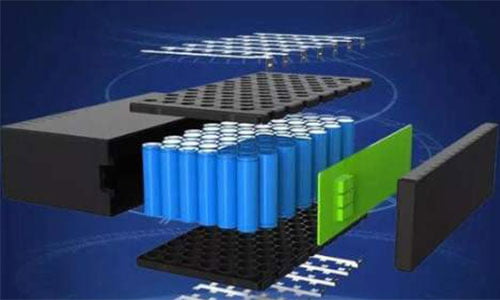
Data centers generate immense heat. Cylindrical cells (such as the 21700 or 32700 formats) have a distinct geometric advantage. The cylindrical shape allows for consistent spacing and airflow between cells. Unlike pouch or prismatic cells, which are pressed tightly together, cylindrical cells minimize the risk of “hot spots” propagating from one cell to another during a thermal event. This inherent physical spacing acts as a passive safety mechanism.
2. Energy Density and Footprint
Space in a data center is measured in millions of dollars per square foot. Cylindrical lithium cells offer an energy density that is 3-4 times higher than lead-acid equivalents. This means a UPS system can provide the same runtime in a fraction of the footprint, freeing up valuable floor space for revenue-generating server racks.
3. Cycle Life and Total Cost of Ownership (TCO)
A standard VRLA battery lasts 3-5 years and requires replacement every few years. A high-quality UL-Certified Cylindrical Lithium-Ion battery, however, can last 10-15 years with minimal degradation. While the upfront cost is higher, the TCO is significantly lower when you factor in reduced replacement labor, cooling costs, and floor space.
Expert Tip: When evaluating cylindrical cells for your UPS, look for Nickel Manganese Cobalt (NMC) chemistry. It offers the best balance of high discharge rates (needed for UPS instant response) and long cycle life.
Case Study: Retrofitting a Tier-III Facility
To illustrate the practical application, consider a recent project involving a Tier-III data center in the Midwest United States. The facility was operating on a 10-year-old VRLA-based UPS system. The client faced two problems: the batteries were failing bi-annually, and the cooling load in the battery room was spiking due to the inefficiency of the old chemistry.
The Solution:
The engineering team opted for a modular 21700 Cylindrical Lithium-Ion battery system. These cells were chosen specifically for their high energy density and robust thermal management profile.
The Results:
- Runtime: Increased from 10 minutes to 15 minutes without increasing the physical footprint.
- Cooling Load: Reduced by 18% due to the higher efficiency (lower internal resistance) of the lithium cells.
- Certification: The entire rack was pre-assembled and submitted for UL 1973 certification, allowing for a seamless inspection process by the local fire marshal.
This case highlights that the transition to lithium isn’t just about swapping batteries; it is about upgrading the entire infrastructure’s efficiency.
Procurement Checklist for Global Buyers
If you are responsible for sourcing UL-Certified Batteries for Data Center UPS systems, here is a concise checklist to ensure you select the right partner:
- Verify the Certificate: Do not accept a “pending” status. The manufacturer should provide the actual UL file number.
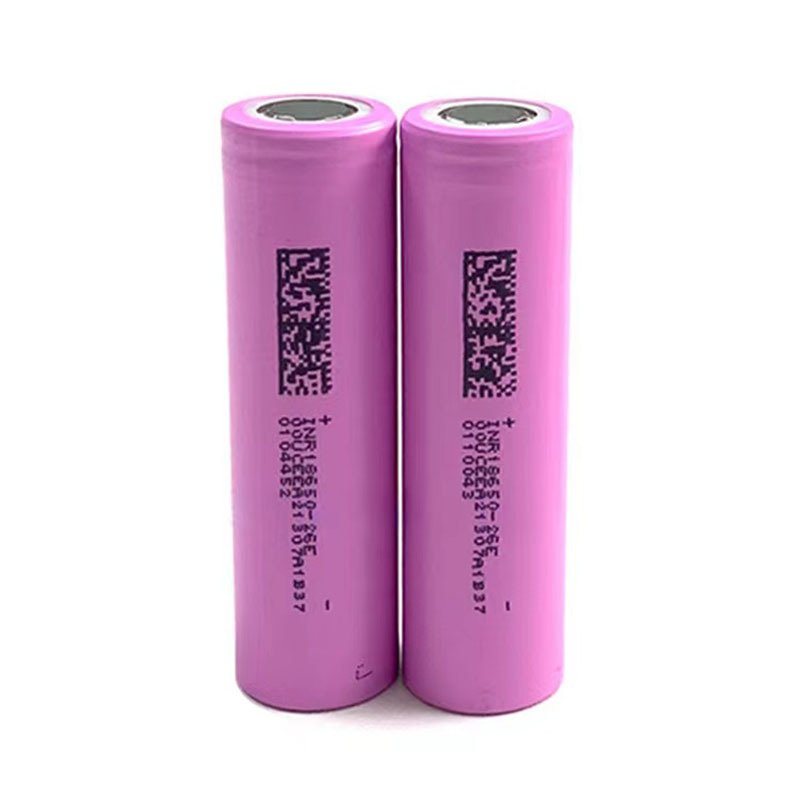
- Cell Format: Prioritize Cylindrical (18650, 21700, or 32700) for their proven safety and thermal management in dense arrays.
- BMS Compatibility: Ensure the Battery Management System (BMS) is designed to communicate directly with your specific UPS brand (e.g., Eaton, Vertiv, or Schneider Electric).
- Warranty Structure: Look for manufacturers offering at least a 10-year warranty, which demonstrates confidence in the cell’s longevity.
Partnering with a Trusted Manufacturer
Selecting a battery is not just a transaction; it is a long-term partnership for critical infrastructure. As a manufacturer specializing in industrial-grade cylindrical cells, we understand that data center operators need solutions that are both innovative and rigorously safe.
Our cylindrical battery cells are engineered for high-reliability applications, offering the structural integrity and thermal stability required for demanding UPS environments. Whether you are designing a new data center or upgrading an existing system, our team is equipped to provide the technical specifications and compliance documentation you require.
For data center managers, system integrators, or procurement officers looking to upgrade their UPS infrastructure with compliant, high-performance solutions, we invite you to explore our range of Cylindrical Battery Cells designed for industrial and data center applications.
Explore our UL-Certified Cylindrical Battery Solutions:
Cylindrical Battery Cell Product Line
Contact our engineering team for a consultation on your specific UPS requirements:
Contact Information
Learn more about our manufacturing capabilities and global supply chain:
China Battery Manufacturer Overview