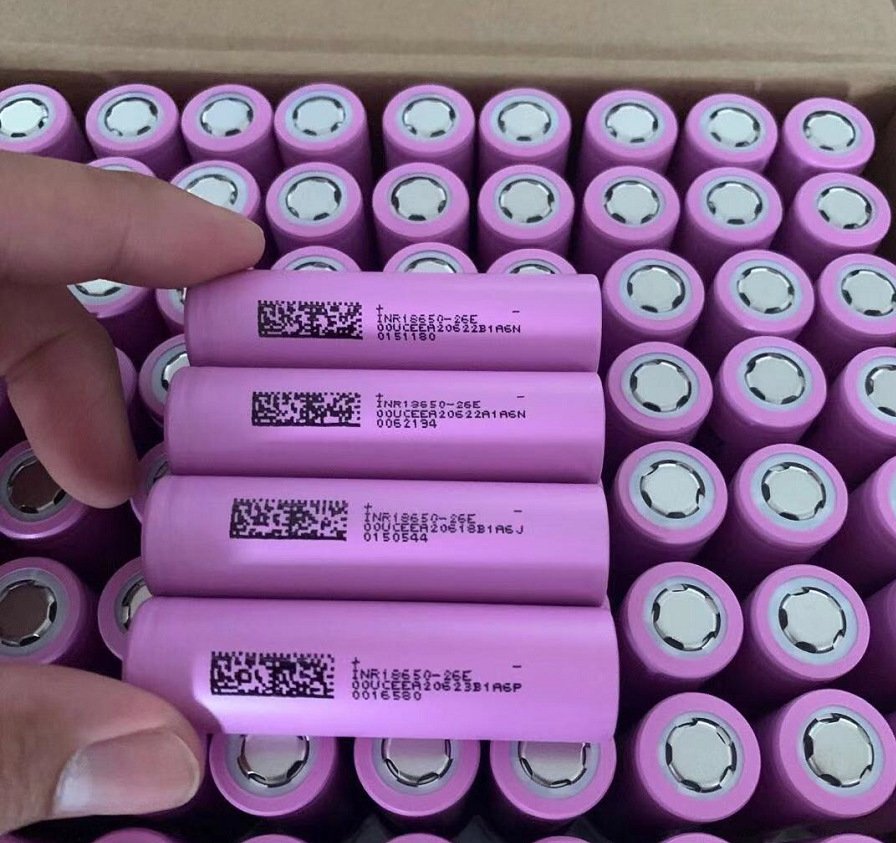
The Ultimate Guide to 18650 LFP Cells for E-Bike Applications
When sourcing components for electric mobility, the battery is not just a power source—it is the core determinant of performance, safety, and lifecycle cost. For engineers and OEMs developing E-bikes, the shift towards Lithium Iron Phosphate (LFP), specifically 18650 LFP Cells, represents a strategic evolution in energy storage technology. Unlike traditional NMC (Nickel Manganese Cobalt) chemistries, LFP offers superior thermal stability and longevity, making it the preferred choice for high-demand applications where safety and durability are non-negotiable.
As a professional lithium battery technical blogger, I have analyzed countless battery architectures. In this guide, we will dissect why wholesale 18650 LFP cells are becoming the standard for E-bike complete solutions, focusing on their technical superiority, cost-efficiency, and the specific advantages offered by leading manufacturers like CNS Battery.
Why 18650 LFP Cells Are Dominating the E-Bike Market
The “18650” designation refers to the physical dimensions of the cell: 18mm in diameter and 65mm in length. When this standardized format is combined with Lithium Iron Phosphate (LiFePO4) chemistry, it results in a robust power solution that addresses the critical pain points of E-bike manufacturers.
1. Thermal Stability and Safety (The “Iron” Advantage)
One of the primary concerns in E-bike design is thermal runaway. LFP chemistry has a much higher thermal runaway threshold compared to cobalt-based lithium-ion batteries. The strong P-O bond in the phosphate cathode prevents the release of oxygen during overcharging or high-temperature conditions. This inherent stability means that 18650 LFP cells are significantly less likely to catch fire or explode, even under mechanical stress—a crucial factor for vehicles operating in diverse environmental conditions.
2. Cycle Life and Longevity
E-bike consumers expect their batteries to last for years. While standard NMC 18650 cells might offer 500-800 cycles, high-quality 18650 LFP cells can achieve over 2,000 cycles while maintaining 80% of their initial capacity. This extended lifespan reduces the total cost of ownership for the end-user and minimizes warranty claims for the manufacturer.
3. Performance Under Load
Modern E-bikes require high discharge rates. The flat voltage curve of LFP cells ensures consistent power delivery throughout the discharge cycle. Whether climbing a steep hill or accelerating from a stop, these cells provide stable voltage output, ensuring the motor performs optimally until the battery is nearly depleted.
Technical Deep Dive: LFP vs. NMC for Mobility
To understand why you should consider switching to wholesale 18650 LFP cells, let’s compare the technical specifications relevant to E-bike engineering.
| Feature | NMC (Nickel Manganese Cobalt) | LFP (Lithium Iron Phosphate) |
|---|---|---|
| Nominal Voltage | ~3.6V – 3.7V | ~3.2V – 3.3V |
| Energy Density | High (Higher range per kg) | Moderate (Slightly heavier) |
| Cycle Life | 500 – 800 cycles | 2000+ cycles |
| Thermal Runaway | ~150°C – 200°C | >270°C |
| Cost Structure | Higher (Cobalt/Nickel dependency) | Lower (Iron/Phosphate abundance) |
Engineering Trade-off: While NMC offers a higher energy density (allowing for lighter packs), LFP technology compensates with drastically improved safety and cycle life. For E-bike applications where the battery is often mounted on the frame and exposed to elements, the safety margin provided by LFP is often worth the slight trade-off in weight.
The Business Case: High Competitive Wholesale Price
Purchasing batteries in bulk is not just about getting a lower price per unit; it is about securing a supply chain that supports your growth. When you buy 18650 LFP Cells wholesale, you leverage the economics of scale.
1. Raw Material Economics
The raw materials for LFP (Iron and Phosphate) are abundant and geographically widespread, unlike the Cobalt and Nickel used in NMC cells, which are subject to geopolitical volatility. This abundance translates directly into a high competitive wholesale price for manufacturers. You are not just buying cells; you are buying price stability for your production forecasts.
2. Total Cost of Ownership (TCO)
From a procurement perspective, the cheapest cell upfront is rarely the most economical choice. Because 18650 LFP cells last 2-3 times longer than their NMC counterparts, the cost per cycle is significantly lower. This reduces the frequency of replacements and lowers the logistical burden of after-sales service.
Complete Solution: Beyond the Cell
Sourcing 18650 LFP Cells is only the first step. An E-bike is a complex system requiring a complete solution that integrates seamlessly.
1. Battery Management System (BMS) Integration
LFP cells require a BMS specifically calibrated for their voltage characteristics (3.2V nominal vs. 3.7V for NMC). A robust BMS is essential for cell balancing, over-current protection, and temperature monitoring. Leading manufacturers offer customized BMS solutions that communicate directly with the E-bike’s motor controller, ensuring optimal performance.
2. Mechanical Design and Protection
E-bike batteries must withstand vibration, moisture, and impact. A complete solution involves not just the cells, but the structural design of the battery pack—whether it is a downtube mount, rack mount, or integrated frame design. This requires engineering collaboration between the cell supplier and the E-bike OEM.
3. Customization at Scale
No two E-bike designs are identical. Whether you need a specific form factor, a particular discharge rate (C-rate), or integration with a smart display, your supplier must offer flexibility. This is where partnering with an experienced battery manufacturer becomes critical.
Partnering with a Reliable Manufacturer
To implement a successful E-bike complete solution, you need a partner with the technical expertise to guide you from the prototype stage to mass production. CNS Battery specializes in cylindrical battery cells, including high-performance 18650 LFP Cells, designed for the rigorous demands of the electric mobility market.
Our engineering team works closely with clients to provide not just cells, but comprehensive technical data, safety testing protocols, and customized battery pack designs. We understand that every battery is a masterpiece of craftsmanship, and we are committed to helping you build a product that stands out in the competitive E-bike market.
If you are looking for a high competitive wholesale price on 18650 LFP Cells or need assistance with a custom E-bike battery solution, our experts are ready to assist. We invite you to explore our full range of cylindrical battery technologies and discuss how we can support your next project.
Contact Information:
- Product Range: Explore our Cylindrical Battery Cell offerings for detailed specifications.
- Contact Us: Reach out to our sales team to discuss your specific requirements and get a quote on bulk orders.