
Here is the SEO-optimized article tailored for B2B clients in the IoT and industrial monitoring sector.
Powering the Future: Li-MnO₂ Battery for Smart Air Quality Monitors
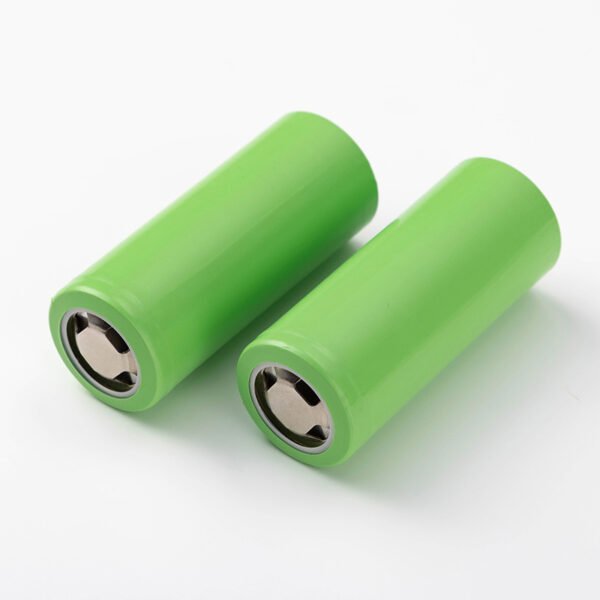
In the rapidly evolving landscape of smart environmental monitoring, the reliability of the power source is not just a convenience—it is the backbone of data integrity. For manufacturers of Smart Air Quality Monitors, selecting the right power solution is critical. These devices often operate in remote locations, harsh environments, or embedded within building infrastructure where maintenance access is difficult or impossible. This is where the Li-MnO₂ (Lithium Manganese Dioxide) Battery emerges as the superior choice.
Unlike secondary (rechargeable) batteries, primary lithium batteries offer unparalleled energy density, a wider operating temperature range, and a shelf life that ensures devices remain operational for years without intervention. Specifically, the Li-MnO₂ chemistry balances high energy density with excellent safety characteristics, making it the industry standard for mission-critical wireless sensors.
Why Li-MnO₂ is the Optimal Choice for Environmental Sensors
When designing a Smart Air Quality Monitor, engineers must balance size constraints with the need for long-term power. The Li-MnO₂ battery solves this equation effectively.
1. Exceptional Energy Density
Smart Air Quality Monitors are trending toward smaller, sleeker designs that can be installed discreetly in homes or offices. The Li-MnO₂ chemistry provides one of the highest energy densities among primary lithium batteries. This means a smaller physical footprint can deliver the watt-hours required to power gas sensors, microprocessors, and wireless transmission modules (such as LoRaWAN or NB-IoT) for extended periods, often exceeding 5–10 years on a single charge.
2. Stable Voltage Profile
Maintaining a stable voltage is crucial for the accuracy of gas sensors. The Li-MnO₂ battery offers a very flat discharge curve. While the nominal voltage is 3.0V (with an open-circuit voltage of 3.5V), it delivers consistent power throughout its life. This stability ensures that the sensor readings remain accurate from the first day of deployment to the last, preventing false alarms or data drift caused by voltage fluctuations.
3. Extreme Temperature Resilience
Air quality monitors are not always installed in climate-controlled environments. They may be placed in attics, basements, or industrial zones. Li-MnO₂ batteries excel in extreme conditions, operating reliably from -40°C to +85°C. This thermal resilience ensures that your monitor continues to function accurately whether facing the heat of a summer attic or the freezing cold of an unheated warehouse.
Technical Specifications and Performance Metrics
To assist in your BOM (Bill of Materials) selection, here is a breakdown of the key technical advantages of utilizing Li-MnO₂ in your next generation of monitors:
| Feature | Benefit for Smart Air Quality Monitors |
|---|---|
| Nominal Voltage | 3.0V (Ideal for low-power microcontrollers and sensors) |
| High Energy Density | Allows for compact, lightweight device designs without sacrificing runtime. |
| Low Self-Discharge | <1% per year, enabling a storage and operational life of over a decade. |
| Hermetic Sealing | Glass-to-metal seals prevent electrolyte leakage, protecting sensitive electronics. |
| Pulse Capability | Handles the high current demands of wireless data transmission bursts. |
Addressing Common Design Challenges
Integrating a Li-MnO₂ battery into your Smart Air Quality Monitor requires careful consideration of the application’s specific discharge profile.
- Pulse Discharge Management: While Li-MnO₂ has a lower continuous current rating compared to Li-SOCl₂ (Lithium Thionyl Chloride), it is perfectly suited for the “sleep-wake-transmit” cycle typical of IoT sensors. Most modern monitors spend 99% of their time in a low-power sleep mode (drawing microamps) and only wake up to take a reading and transmit data (drawing pulses of 50mA to 100mA). The Li-MnO₂ chemistry handles these intermittent pulses efficiently without the voltage delay issues found in other lithium chemistries.
- Passivation Layer: A unique characteristic of Li-MnO₂ cells is the formation of a passivation layer when idle. While this layer protects the cell, it can cause a temporary voltage drop when a high load is first applied. Experienced engineers design their circuitry to account for this by allowing a brief “warm-up” period or by using a capacitor to buffer the initial pulse, ensuring the wireless module receives sufficient voltage to connect to the network.
Customization and Industrial Integration
Off-the-shelf batteries are convenient, but for OEMs looking to differentiate their Smart Air Quality Monitors, customization is key. Standard cylindrical cells (like CR123A or CR2) are common, but many advanced designs require custom battery packs or specific form factors to fit unique enclosures.
Manufacturers often require specific PCB mounting tabs, custom wire harnesses, or specialized connectors to streamline the assembly process. Partnering with a battery supplier that offers engineering support for custom configurations ensures that the Li-MnO₂ power source integrates seamlessly into the device, reducing assembly time and improving overall reliability.
Partnering for Success
Selecting the right power source is a critical decision that impacts the entire lifecycle of your Smart Air Quality Monitor. While the Li-MnO₂ battery offers a robust standard solution, every application has unique nuances regarding current draw, temperature exposure, and physical constraints.
To ensure your device meets its performance and longevity targets, it is essential to consult with a power solutions provider early in the design phase. Expert guidance can help you navigate the specific requirements of your sensor suite and wireless protocol to select the optimal cell size and configuration.
For technical inquiries or custom design support regarding Li-MnO₂ batteries for your next project, please visit our Product Center or contact our engineering team directly at Contact Us.
