
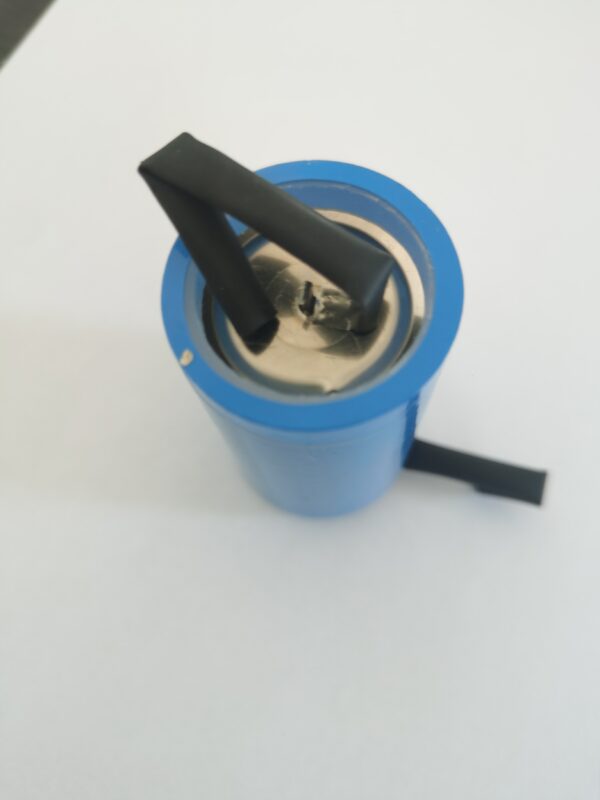
The Ultimate Guide to Li-SOCl₂ Batteries for Water Quality Monitoring Sensors
In the demanding world of environmental monitoring, water quality sensors often operate in remote, harsh, or hard-to-reach locations. Whether submerged in a riverbed or mounted on a coastal buoy, these devices require a power source that is not just reliable, but invisible—power that lasts for years without maintenance. This is where Lithium-Thionyl Chloride (Li-SOCl₂) batteries become the definitive choice for engineers and OEMs.
As a technical specialist in primary battery solutions, I have seen firsthand how the unique electrochemical properties of lithium metal batteries solve the “power drain paradox” of modern IoT sensors: high peak loads for data transmission versus micro-amp loads during standby.
In this guide, we will dissect why Li-SOCl₂ technology is the industry standard for water quality monitoring, covering critical aspects such as voltage delay, passivation, and pulse handling.
Why Lithium Metal Batteries Dominate Remote Sensing
The primary challenge in water quality monitoring is accessibility. Replacing a battery in a sensor deployed in a wastewater treatment plant or deep in an aquifer is costly and logistically complex. Therefore, the energy density and longevity of the battery are non-negotiable.
Lithium metal batteries, specifically the Li-SOCl₂ chemistry, offer the highest energy density of any commercially available primary battery system. This chemistry utilizes lithium metal as the anode and thionyl chloride as both the cathode and electrolyte. The result is a specific energy that far exceeds alkaline or lithium-ion alternatives, providing the “set-and-forget” capability essential for long-term deployments.
Key Technical Characteristics of Li-SOCl₂ Cells
When designing a sensor around a Li-SOCl₂ battery, engineers must understand the following technical parameters to ensure optimal performance:
- High Nominal Voltage: 3.6V, which is significantly higher than standard 1.5V alkaline cells. This often allows for fewer cells in a pack.
- Wide Operating Temperature Range: Typically -55°C to +85°C, making them suitable for freezing rivers or scorching industrial environments.
- Low Self-Discharge Rate: Less than 1% per year, enabling a theoretical shelf life of up to 15 years.
However, the most critical factor to manage is the Passivation Layer. When a Li-SOCl₂ cell is dormant, a thin film forms on the lithium anode to prevent self-discharge. When a load is applied, this film must dissolve, which can cause a temporary voltage drop known as “voltage delay.”
Overcoming Voltage Delay in Pulse Applications
Water quality sensors typically operate in a pulsed mode: they sleep for hours (drawing <10µA), then wake up to take readings and transmit data via radio (drawing 100s of mA). This sudden demand can cause issues with standard Li-SOCl₂ cells due to the passivation layer.
To mitigate this, there are two primary solutions:
- Bobbin-Type vs. Spirally Wound: For low-drain applications, the standard bobbin-type construction is ideal. However, for higher pulse currents required in telemetry, spirally wound cells with carbon cathodes are preferred, though they may have slightly lower capacity.
- Supercapacitor Buffering: For sensors requiring high RF transmission power (e.g., LoRaWAN, NB-IoT), pairing the Li-SOCl₂ cell with a supercapacitor is a common design strategy. The battery provides the bulk energy at a low rate, while the capacitor delivers the high pulse current instantly.
Pro Tip: If your sensor design requires immediate high current at startup, consider pre-conditioning the battery by applying a small load before the main transmission cycle to “de-passivate” the cell.
Designing the Battery Pack: Cylindrical vs. Prismatic
Selecting the right cell format is crucial for the physical integration of the sensor housing.
- Cylindrical Cells: These are the most common (e.g., AA, C, D, and F sizes). They offer the best volumetric efficiency and are easy to integrate into standard sensor probes.
- Prismatic Cells: For custom sensor housings with specific dimensional constraints, prismatic lithium batteries offer a better fit, maximizing the use of available space.
For water quality sensors, cylindrical cells are often preferred due to their robustness and ease of integration into probe-style housings.
Longevity and Reliability in Harsh Environments
The true value of a primary lithium battery in water monitoring is its ability to operate without failure. Unlike rechargeable batteries, which suffer from calendar aging and cycle degradation, primary lithium cells degrade only by the minimal amount of self-discharge.
For example, a standard D-size Li-SOCl₂ cell can power a low-duty-cycle sensor for over a decade. This longevity reduces the total cost of ownership (TCO) by eliminating the need for frequent site visits and battery replacements.
Partnering with a Battery Specialist
While the chemistry of Li-SOCl₂ is mature, the application in custom water quality sensors often requires specific engineering support. From selecting the correct cell type to managing the voltage delay and designing the physical battery pack, partnering with an experienced manufacturer is essential.
At CNS Battery, we specialize in providing high-reliability primary battery solutions for industrial IoT applications. Our engineering team works closely with clients to ensure that the power source is perfectly matched to the sensor’s duty cycle and environmental requirements.
If you are developing a water quality monitoring solution and need a power source that guarantees performance, we invite you to explore our range of primary battery solutions. You can find detailed specifications and application notes on our product page.
For specific technical inquiries regarding your project, please visit our contact page to get in touch with our sales engineers directly.
Product Link: Primary Battery Product Range
Contact Address: Contact Us
