The Ultimate Guide to EU-Compliant Cylindrical Batteries for E-Bikes
The European e-bike market is booming, driven by a green mobility revolution and increasing demand for efficient, long-range electric bicycles. However, for manufacturers and distributors, entering this market requires more than just a good product; it demands strict adherence to regulatory standards. Among these, REACH (Registration, Evaluation, Authorisation and Restriction of Chemicals) compliance is non-negotiable.
This article serves as a comprehensive guide for B2B stakeholders looking to source high-performance, REACH-compliant cylindrical battery cells specifically designed for the EU e-bike market. We will delve into the technical specifications that matter, the importance of compliance, and how to select the right partner for your supply chain.
Understanding REACH Compliance in Battery Manufacturing
Before diving into the technical specifications of cylindrical cells, it is crucial to understand the regulatory landscape. REACH is a European Union regulation that addresses the production and use of chemical substances and their potential impacts on human health and the environment.
What Does REACH Mean for Batteries?
For lithium-ion batteries used in e-bikes, REACH compliance primarily focuses on the restriction of certain hazardous substances. While the EU Battery Directive and the new Battery Regulation often focus on heavy metals like lead and mercury, REACH goes further by restricting a vast array of Substances of Very High Concern (SVHC).
- Chemical Safety: Manufacturers must ensure that the electrolytes, cathode materials, anode materials, and even the adhesives and coatings used in the battery cell do not contain restricted concentrations of SVHCs.
- Supply Chain Transparency: REACH requires extensive documentation. A compliant battery manufacturer must provide a “Declaration of Compliance” and Safety Data Sheets (SDS) that list all chemical components above a certain threshold.
- Market Access: Selling non-compliant batteries in the EU can result in hefty fines, product recalls, and the destruction of goods. For B2B buyers, sourcing REACH-compliant cells is not just about legality; it is about protecting your brand reputation and ensuring your e-bikes can be legally sold across the 27 member states.
The CNS BATTERY Standard
At CNS BATTERY, we operate under the strictest interpretation of these standards. As a manufacturer based in Zhengzhou, China, we ensure that our entire production line, from raw material sourcing to the final cell assembly, meets EU chemical safety thresholds. This allows our B2B partners to import cells with full confidence in their regulatory standing.
Why Cylindrical Cells Dominate the E-Bike Industry
While pouch and prismatic cells exist, cylindrical lithium-ion cells remain the gold standard for high-performance e-bikes. Their dominance is rooted in physics, manufacturing efficiency, and thermal management.
Technical Superiority: The Physics of a Circle
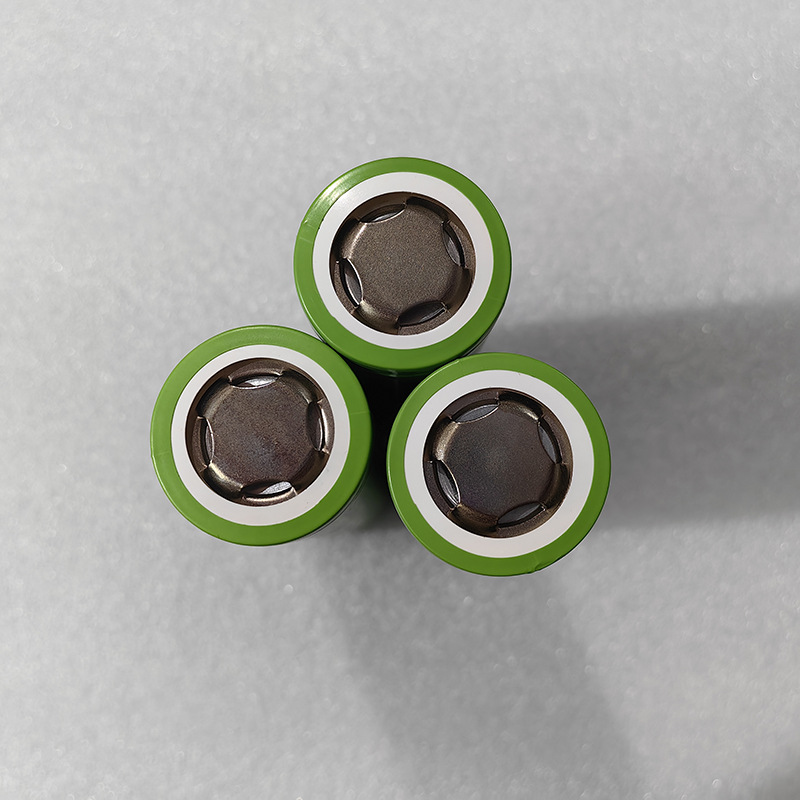
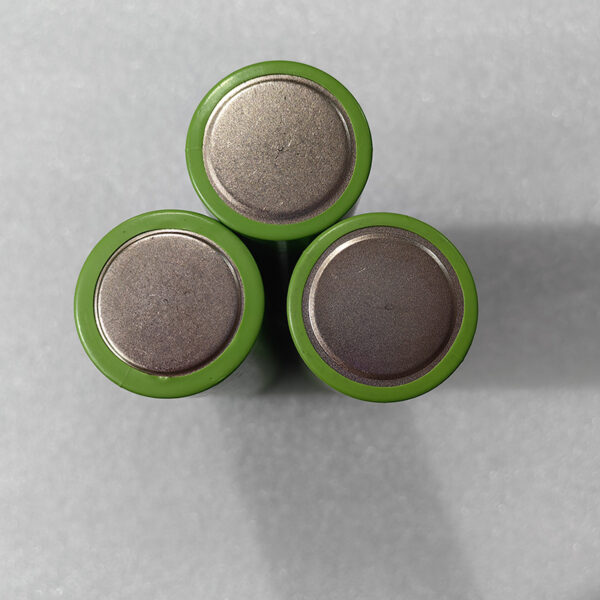
Cylindrical cells, typically ranging from the classic 18650 format to the newer 21700 and 32700 formats, offer distinct mechanical advantages.
- Structural Integrity: The cylindrical shape is inherently stronger than a flat pouch or a rectangular prism. This “jelly roll” structure can withstand high internal pressures without deforming. This structural rigidity is vital for e-bikes, which face constant vibration and shock during operation.
- Thermal Runaway Resistance: In the rare event of a thermal event, the tightly wound structure of a cylindrical cell helps contain the reaction. Unlike pouch cells, which can balloon and rupture, cylindrical cells are less likely to propagate fire to adjacent cells in a pack.
- Manufacturing Maturity: Cylindrical cells are the oldest and most refined form of lithium-ion technology. This maturity translates to higher production yields, lower costs, and greater consistency in performance—critical factors for B2B cost management.
The Evolution of Formats: 18650 vs. 21700 vs. 32700
The e-bike market has seen a rapid shift from 18650 cells to larger formats. Here is a technical comparison to help you choose the right format for your application.
| Feature | 18650 | 21700 | 32700 |
|---|---|---|---|
| Dimensions | 18mm x 65mm | 21mm x 70mm | 32mm x 70mm |
| Typical Capacity | 1500mAh – 3500mAh | 4000mAh – 6000mAh | 6000mAh+ |
| Energy Density | Standard | High | Very High |
| Best For | Entry-level e-bikes, 3C devices | Mid-to-High range e-bikes, Power tools | Heavy-duty e-bikes, High-capacity storage |
Analysis:
For the EU market, where riders often demand longer ranges (to cover vast European countrysides or for daily commuting), the 21700 and 32700 formats are becoming the standard. They offer a higher energy density, meaning you can achieve the same voltage and capacity with fewer cells, reducing the complexity of the Battery Management System (BMS) and the overall weight of the pack.
Key Technical Specifications for EU E-Bike Applications
When sourcing cylindrical cells for the European market, you cannot rely on generic specifications. E-bikes in Europe operate under specific conditions—variable weather, hilly terrain, and long distances. Here are the four pillars of a high-quality e-bike cell.
1. Cycle Life and Longevity
European consumers value durability. A standard e-bike battery should last at least 500 full charge-discharge cycles while retaining 80% of its original capacity. Premium cells, such as those utilizing Lithium Iron Phosphate (LFP) or advanced NMC chemistry, can achieve 1000 to 2000 cycles. For B2B buyers, specifying cells with a long cycle life reduces warranty claims and increases customer satisfaction.
2. Discharge Rate (Power Density)
E-bikes are not just about range; they are about torque. When climbing the steep cobbled streets of Prague or the hills of the Italian countryside, the battery must deliver high current.
- Standard Discharge: 0.5C (Suitable for city commuting)
- High Rate Discharge: 2C – 10C+ (Essential for mountain e-bikes and high-speed pedelecs)
Look for cells specifically labeled as “Power” types (often denoted by “R” in the model code, e.g., INR or IFR), which are designed with lower internal resistance to handle these high currents without overheating.
3. Temperature Resilience
Europe experiences significant seasonal temperature swings. A battery that works in the Swedish winter (-20°C) must also function in the Spanish summer (+40°C).
- Low-Temperature Performance: Advanced electrolytes are required to prevent the battery from freezing and losing capacity in cold weather.
- High-Temperature Stability: The cell chemistry must be thermally stable to prevent degradation during high-load summer rides.
4. Safety Mechanisms
Beyond REACH compliance, physical safety is paramount. Look for cells that include:
- CID (Current Interrupt Device): A safety mechanism that permanently disconnects the cell if internal pressure becomes too high.
- PTC (Positive Temperature Coefficient): A device that increases resistance and stops the current flow if the temperature rises too quickly.
Case Study: Powering the Modern European E-Bike
To illustrate how these specifications come together, let us examine a typical high-end European e-bike application.
The Scenario:
A German distributor is launching a new “All-Terrain” e-bike. The requirements are:
- A range of 100km per charge.
- The ability to climb 15% gradients.
- Operation in temperatures ranging from -10°C to 45°C.
- Full compliance with EU regulations.
The Solution:
Instead of using thousands of 18650 cells, which would complicate the BMS and add unnecessary weight, the engineering team opts for CNS BATTERY 21700 cells.
- Chemistry: High-Nickel NMC (INR) for maximum energy density.
- Configuration: A 14S4P configuration (14 cells in series for voltage, 4 in parallel for capacity).
- Result: By using 56 high-capacity 21700 cells (each with 5000mAh), the pack achieves a 72V 20Ah specification. This provides the necessary power for torque while keeping the weight low enough for the rider to manage. Furthermore, because the cells are REACH compliant, the distributor faces no barriers at the EU border.
This case study demonstrates that the right cell choice is not just a technical decision; it is a strategic business decision that affects logistics, compliance, and end-user satisfaction.
Sourcing Strategy: How to Choose the Right Manufacturer
For B2B buyers, the relationship with a battery manufacturer is a partnership. It is not just about buying cells; it is about securing a supply chain.
1. Quality Control vs. Price
The temptation is always to go for the lowest price. However, in the battery industry, “cheap” often means “dangerous.” A single defective cell can lead to a fire, resulting in lawsuits and brand destruction. When evaluating a manufacturer like CNS BATTERY, look beyond the price tag.
- Ask for Certifications: ISO 9001, IATF 16949 (for automotive standards), and MSDS reports are mandatory.
- Audit Capabilities: Can the manufacturer provide batch traceability? Can they prove that every cell in a shipment came from the same quality-controlled batch?
2. Customization Capabilities
The EU market is diverse. A battery pack for a Dutch city bike is different from one for an Italian speed pedelec. A reliable manufacturer should offer customization.
- Form Factor: Can they modify the length or diameter slightly to fit your specific frame design?
- Performance Tuning: Can they adjust the chemistry to prioritize cycle life over fast charging, or vice versa, based on your target customer?
3. Technical Support
Batteries are complex. You need a manufacturer that provides robust technical support. This includes assistance with:
- BMS Integration: Ensuring the cell voltage curves match the BMS algorithms.
- Pack Design: Providing mechanical drawings and thermal data to help you design the battery enclosure.
Conclusion: Building a Sustainable Future
The future of e-mobility in Europe is bright, but it relies on a foundation of safe, compliant, and high-performance components. By choosing REACH-compliant cylindrical battery cells, B2B manufacturers are not only adhering to the law but are also investing in the safety and longevity of their products.
Cylindrical cells, with their superior thermal management and structural integrity, are the ideal choice for the rigors of European terrain. As the technology evolves from 18650 to 21700 and beyond, the focus remains on increasing energy density while maintaining the strict safety standards that the EU market demands.
For businesses looking to enter or expand in this market, the message is clear: prioritize compliance, understand your technical requirements, and partner with a manufacturer that shares your commitment to quality and safety.
Ready to Power Your E-Bike Solution?
If you are looking for high-performance, REACH-compliant cylindrical battery cells for your next e-bike project, CNS BATTERY offers a comprehensive range of solutions tailored for the European market. Whether you need standard 18650 cells or high-capacity 32700 powerhouses, our team of experts is ready to assist you with custom solutions.
Explore our full range of Cylindrical Battery Cells today and find the perfect power source for your application.
Explore Cylindrical Battery Products
Contact our sales team for a consultation and discover why we are a leading battery manufacturer in China.
Learn more about our manufacturing capabilities and global supply chain.