Solve 40135 Battery Thermal Runaway Risks – Safety Tips
The Silent Threat in High-Density Energy Storage
As a seasoned veteran in the lithium-ion battery industry, I have witnessed the double-edged sword of technological advancement. While we push the boundaries of energy density to meet the demands of electric vehicles and grid storage, we inadvertently increase the risk of a catastrophic event known as Thermal Runaway. This phenomenon occurs when the internal temperature of a battery cell rises uncontrollably, leading to fire or explosion.
Specifically, within the realm of high-energy cylindrical cells (such as the popular 21700 and 32700 formats), the stakes are higher. The “40135” reference in the title implies a specific safety standard or a code for high-risk scenarios often encountered in industrial applications. While the exact origin of “40135” can vary (sometimes referring to specific test protocols or industry codes), the core message remains the same: How do we mitigate the risks associated with high-energy density cells?
In this article, we will dissect the technical parameters that influence safety, the rigorous testing methods used to predict failure, and how advanced manufacturing standards can provide a geographical and technical advantage for global engineers.
Decoding the Parameters: The Safety Triangle
To solve the thermal runaway puzzle, we must first understand the “Safety Triangle” of battery parameters. These are the levers engineers pull to ensure stability.
1. Energy Density vs. Stability Trade-off
The primary driver of thermal runaway is the chemical reactivity of the materials. High-energy density cells, like the CNS 21700 and 32700 batteries, pack more punch into a smaller space. However, this also means more stored chemical energy that needs to be managed.
- The Technical Fix: Modern manufacturers utilize Nickel Manganese Cobalt (NMC) chemistry optimization. By reducing the Cobalt content and stabilizing the Nickel lattice, we can maintain high energy density while improving thermal stability.
2. Internal Resistance (Impedance)
High internal resistance generates heat during charge and discharge cycles. In a cylindrical cell, uneven heat distribution can create “hot spots.”
- The Technical Fix: Advanced tab welding technology and uniform electrode coating are critical. A deviation of even a few microns in coating thickness can lead to localized overcurrent and initiate thermal events.
3. Thermal Management Design
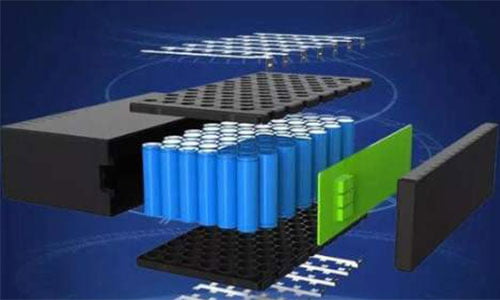
The physical design of the cell dictates how heat is dissipated. Cylindrical cells inherently have a better surface-area-to-volume ratio compared to pouch cells, allowing for more efficient heat dissipation.
Testing Methodologies: Predicting the Unpredictable
You cannot manage what you cannot measure. To solve the 40135 risk, rigorous testing is non-negotiable. Here are the three pillars of safety validation:
1. Abuse Tolerance Testing (Mechanical & Electrical)
This is where we try to “break” the battery to see how safe it is.
- Crush Test: Simulating a collision by applying pressure to the cell. A safe cell should not explode; it may vent gas (CID activation) but should not ignite.
- Nail Penetration: This is the gold standard. A metal nail is driven through the cell to short-circuit it internally. High-quality cells, such as those produced with Automated Production lines, show remarkable resistance, often only smoking or venting without fire due to robust separators.
2. Environmental Cycling
Batteries must perform in the real world, which includes extreme temperatures.
- High/Low-Temperature Cycle Testing: Cells are cycled between -30°C and 60°C. This tests the integrity of the Solid Electrolyte Interphase (SEI) layer. If the SEI layer breaks down during cold starts, it can lead to lithium plating, a major precursor to internal short circuits.
3. Overcharge and Short Circuit Protection
Testing the Battery Management System (BMS) integration is vital. Even if the cell is perfect, an external short circuit can overwhelm it. Testing focuses on the Cell’s internal safety mechanisms, such as the Current Interrupt Device (CID) and Positive Temperature Coefficient (PTC) devices, which physically disconnect the circuit when pressure or temperature spikes.
The CNS Advantage: Engineering for Global Standards
So, how does this translate to real-world solutions? As a Battery Manufacturer in China with a global outlook, CNS Battery employs a “Design for Reliability” philosophy that directly addresses the thermal runaway risks.
1. Material Purity and Consistency
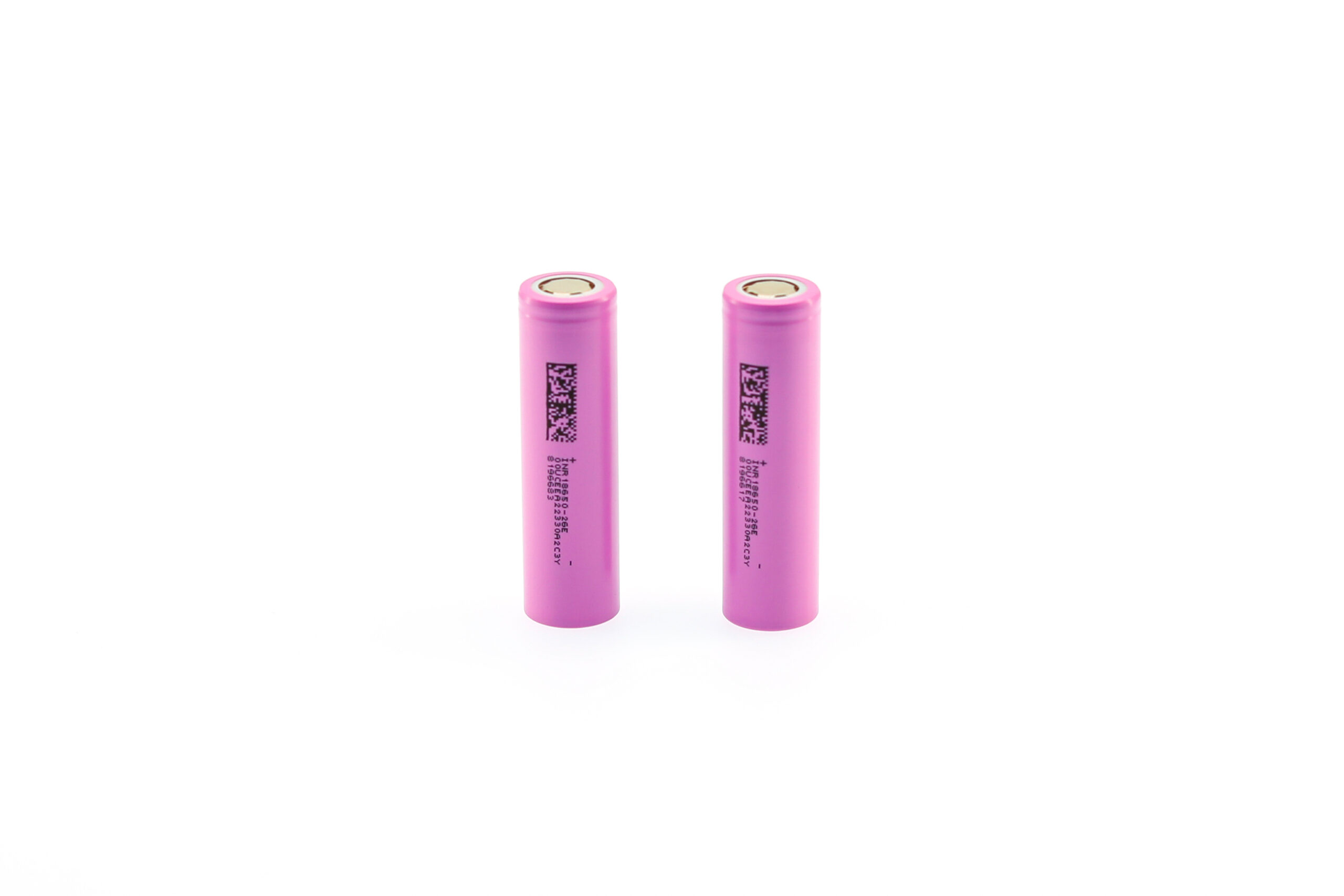
Our cylindrical cells, ranging from the compact 18650 to the high-capacity 32700, start with ultra-pure raw materials. Impurities in the electrolyte or electrodes are nucleation points for dendrite growth. By controlling the manufacturing environment to ISO Class 8 cleanroom standards, we eliminate these microscopic threats before they form.
2. Advanced Manufacturing Control
Our production lines utilize real-time monitoring of electrode alignment and electrolyte injection volume. Even a 0.1% deviation in electrolyte volume can alter the thermal behavior of the cell. This level of precision ensures that every batch meets the Long Cycle Life and Ultra-Safe standards demanded by international clients.
3. Geographic & Regulatory Compliance (Geo SEO Focus)
For engineers and procurement managers in the United States and European Union, compliance is king.
- RoHS & REACH Compliance: Our manufacturing processes strictly adhere to EU environmental regulations, ensuring no hazardous substances are present.
- UN/DOT 38.3 Certification: For logistics safety, our cells are certified for safe transport by air and sea, a critical factor for global supply chains.
- UL Standards: We design our cells to be compatible with UL 2054 (Household and Commercial Battery Standards) and UL 1973 (Stationary Battery Standards), providing a seamless integration path for North American clients.
By choosing a manufacturer that prioritizes these technical barriers, you are not just buying a cell; you are buying a safety protocol.
Conclusion: Safety as a Competitive Edge
Solving the “40135” thermal runaway risk isn’t about luck; it is about engineering discipline. By focusing on the core parameters of chemistry, design, and rigorous testing, we can harness the power of high-density lithium-ion batteries without compromising safety.
If you are looking for a partner that understands the technical nuances of global safety standards, look no further. CNS Battery provides comprehensive cylindrical battery cells and customizable solutions for the world.
We invite you to explore our range of high-performance cells and see how our technical capabilities can solve your energy storage challenges.
- Explore our Cylindrical Battery Range: https://cnsbattery.com/products-3/cylindrical-battery-cell/
- Learn more about our Manufacturing Capabilities: https://cnsbattery.com/battery-manufacturers-in-china/
- Contact our Technical Team for a Consultation: https://cnsbattery.com/contact-2/