Mastering Fast Charging: The Ultra Low IR Battery Technology
In the relentless pursuit of faster charging solutions for electric vehicles and portable electronics, the Achilles’ heel for engineers is often Internal Resistance (IR). High IR not only limits the speed at which a battery can accept charge but also generates excessive heat, degrading performance and lifespan. For technical buyers and R&D teams globally, the solution lies in Ultra Low IR Battery technology. This deep dive explores the physics behind low resistance, the testing methodologies to verify it, and how modern cylindrical cells are engineered to meet the stringent demands of global markets.
The Physics of Fast Charging: Why IR Matters
To understand the engineering behind fast charging, we must first revisit Ohm’s Law. The relationship between Voltage ($V$), Current ($I$), and Resistance ($R$) is defined as $V = I \times R$. In a battery, this resistance is known as Internal Resistance (IR).
When charging a battery, the power input ($P_{in}$) is partially consumed by this internal resistance, generating heat ($P_{heat}$). The formula for this heat generation is:
$$P_{heat} = I^2 \times R_{internal}$$
The Critical Insight: The heat generated is proportional to the square of the current. This means doubling the charge current quadruples the heat if resistance remains constant. An Ultra Low IR Battery drastically reduces the $R_{internal}$ variable, allowing for significantly higher charge currents ($I$) without thermal runaway.
For engineers, this translates to:
- Higher Charge Rates: Ability to utilize 2C, 3C, or even higher charge protocols.
- Extended Cycle Life: Reduced heat minimizes electrolyte decomposition and SEI (Solid Electrolyte Interphase) layer growth.
- Enhanced Safety: Lower operating temperatures prevent thermal throttling and potential safety hazards.
Validating Ultra Low IR: Testing Methodologies
Before integrating cells into a Battery Management System (BMS), rigorous testing is mandatory. The industry standard for measuring IR is the AC Impedance Method (typically at 1kHz) or the DC Pulse Method.
The DC Pulse Test Protocol:
- Stabilization: The cell is held at a specific State of Charge (SoC), usually 50%, at a controlled temperature (25°C).
- Pulse Application: A high-current pulse (e.g., 10 seconds charge, 40 seconds rest) is applied.
- Voltage Drop Analysis: The internal resistance is calculated by measuring the instantaneous voltage drop ($\Delta V$) at the onset of the pulse and dividing it by the applied current ($I$):
$$R_{internal} = \frac{\Delta V}{I}$$
When sourcing Ultra Low IR Battery cells, engineers should demand test reports showing IR values consistently below 15mΩ for cylindrical formats, with the best-in-class cells achieving values closer to 10mΩ or lower. This low baseline resistance is the non-negotiable foundation for any fast-charge application.
Engineering the Ultra Low IR Battery
Achieving these low resistance figures is not accidental; it is the result of specific material science and manufacturing precision. Here is how top-tier manufacturers achieve this performance:
- Advanced Electrode Engineering: The use of high-conductivity conductive agents (such as specific carbon blacks or carbon nanotubes) within the cathode and anode slurries reduces electronic resistance. Furthermore, optimizing the coating density and porosity ensures shorter lithium-ion diffusion paths.
- Current Collector Optimization: Thicker, high-purity copper (anode) and aluminum (cathode) foils reduce ohmic losses. Laser-cutting precision ensures perfect alignment, minimizing “dead zones” where current must travel further.
- Electrolyte Formulation: Low-viscosity electrolytes with high ionic conductivity allow lithium ions to shuttle between layers with minimal drag, directly reducing the ionic resistance component of IR.
- Lamination and Welding: In cylindrical cells, the tightness of the jellyroll and the quality of the ultrasonic welding between the electrode tabs and the current collectors are critical. Any micro-gap or poor weld creates a high-resistance node.
Global Standards and Regional Adaptation
While the physics of lithium-ion is universal, the regulatory environment is not. An Ultra Low IR Battery designed for the European market must adhere to different safety and environmental protocols compared to one destined for North America.
- EU Compliance (UN GTR No. 20 & CE): European regulations emphasize mechanical robustness and thermal propagation resistance. Low IR cells must pass rigorous nail penetration and crush tests. Furthermore, the EU Battery Passport requirements demand full traceability of the raw materials used in the low-resistance electrodes.
- North American Standards (UL 1642/2580): The focus here is on overcharge and forced discharge protection. Low IR cells must demonstrate that their high current capability does not compromise safety during BMS failure modes.
For global OEMs, selecting a partner that understands these regional nuances is as important as the cell chemistry itself. A manufacturer capable of tailoring the cell’s safety circuit (CID) and vent mechanisms to meet local certification bodies ensures a faster time-to-market.
Partnering with a Global Leader
Developing a product around fast-charging technology requires a partner who understands the interplay between material science, electrical engineering, and regional compliance. If you are an engineer or technical buyer looking to integrate Ultra Low IR Battery technology into your next project, you need a supplier with a proven track record in high-performance cylindrical cells.
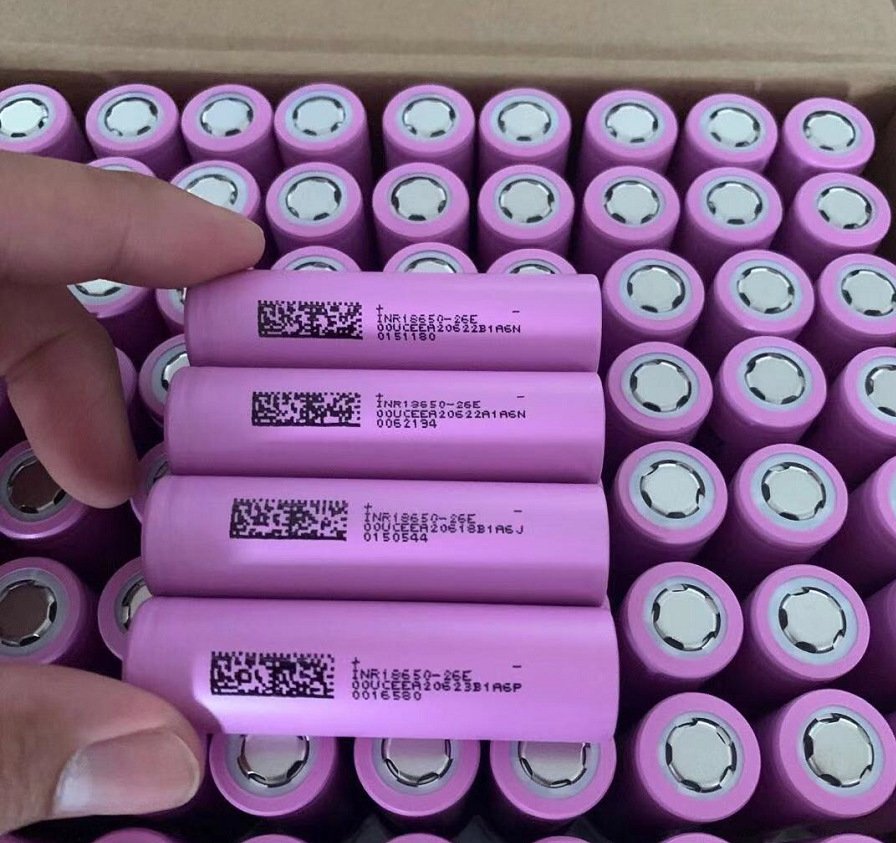
CNS BATTERY offers a comprehensive range of cylindrical cells engineered for high energy density and low internal resistance, suitable for applications ranging from power tools to electric vehicles. Our R&D capabilities are built to support global customers in meeting the specific technical standards of their target markets.
To consult with our engineering team or to request samples for your fast-charging application, please visit our Cylindrical Battery Cell product page or contact us directly through our Contact Information portal. For those seeking a reliable Battery Manufacturer in China that prioritizes E-E-A-T principles (Experience, Expertise, Authoritativeness, and Trustworthiness), CNS BATTERY provides the technical documentation and support you require to make an informed decision.