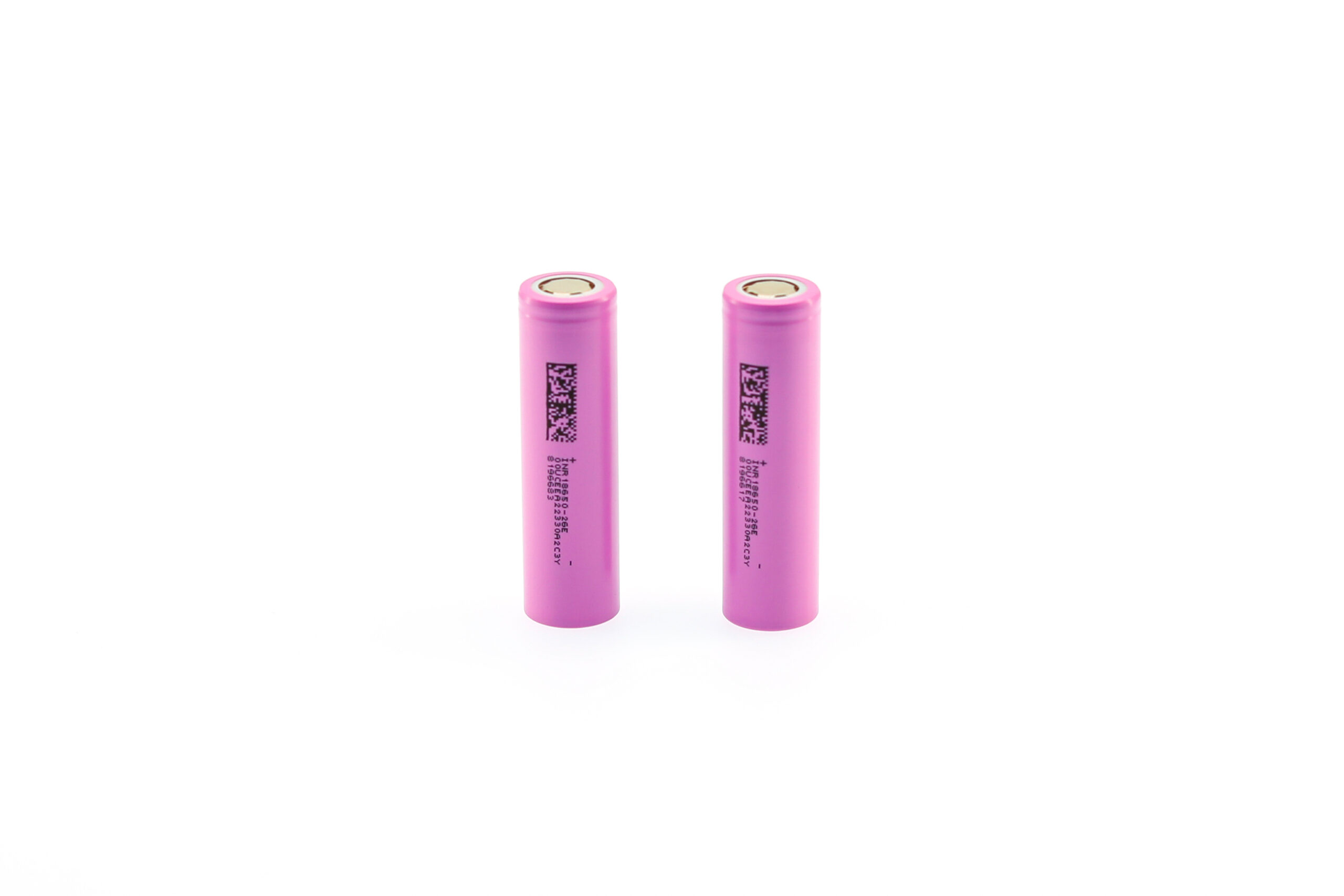
The 32150 Battery Cell: A New Standard for High-Performance EVs
The electric vehicle (EV) market is undergoing a rapid transformation, driven by the relentless pursuit of higher energy density, faster charging, and improved thermal management. While the 18650 and 21700 form factors have dominated the lithium-ion landscape for years, a new contender is emerging to meet the escalating demands of modern EVs: the 32150 battery cell.
At CNS Battery, we recognize that the future of mobility requires cells that balance high capacity with structural integrity. The 32150 cylindrical cell represents a significant evolutionary step, offering a “Goldilocks zone” between the compact 21700 and the massive 46800 formats. This article will delve into the technical specifications, advantages, and practical applications of the 32150 cell, providing B2B buyers and engineers with the insights needed to evaluate this technology for their next-generation products.
Understanding the 32150 Format
The nomenclature of lithium-ion cells is standardized, with the numbers directly representing physical dimensions. The 32150 designation breaks down as follows:
- 32: 32mm Diameter
- 150: 150mm Height (Length)
- 0: Indicates a cylindrical shape
By increasing the diameter from the standard 21mm (21700) to 32mm, manufacturers can significantly increase the internal volume for active materials. This translates directly into higher capacity and energy density without the extreme engineering challenges associated with “tabless” large-format cells like the 46800.
Technical Specifications
Our standard 32150 cells are engineered for durability and high output. Below is a comparison of the standard specifications for a typical CNS 32150 Iron Phosphate (IFR) cell.
| Parameter | Specification | Details |
|---|---|---|
| Dimensions | 32mm x 150mm | Standard Cylindrical Form Factor |
| Nominal Voltage | 3.2V | Optimized for LiFePO4 chemistry |
| Typical Capacity | 6.0 Ah – 7.0 Ah | High Energy Density |
| Max Continuous Discharge | 10C – 15C | Suitable for High-Power Applications |
Why Choose 32150 for EV Applications?
For EV manufacturers and system integrators, selecting the right cell format is a critical decision that impacts the Battery Management System (BMS), thermal design, and overall vehicle weight. The 32150 format offers distinct advantages over its predecessors.
1. Super Capacity and Energy Density
The primary advantage of the 32150 is its ability to store a substantial amount of energy. With a typical capacity ranging from 6000mAh to 7000mAh, a single 32150 cell can replace multiple 18650 or 21700 cells. This reduction in cell count simplifies the Battery Management System (BMS) complexity, as there are fewer individual units to monitor and balance. For electric two-wheelers, e-bikes, and light EVs, this means longer range without increasing the physical footprint of the battery pack.
2. Enhanced Thermal Management
One of the challenges with scaling up cylindrical cells is heat dissipation. The 32150 strikes a balance; while it is larger than a 21700, its geometry still allows for efficient heat transfer to the cell surface. Unlike “jellyroll” cells that rely on complex internal cooling, the 32150 maintains the robust thermal characteristics of traditional cylindrical designs, making it easier to integrate into existing liquid-cooled or air-cooled chassis designs.
3. Structural Integrity and Safety
The thicker steel casing of the 32150 (necessitated by the larger diameter) provides superior mechanical strength. This is crucial for EVs, which are subjected to constant vibration and shock. Furthermore, when utilizing Lithium Iron Phosphate (LiFePO4) chemistry—which is standard for this format—the cells exhibit exceptional thermal stability, reducing the risk of thermal runaway even under abusive conditions.
Comparative Analysis: 32150 vs. 21700 vs. 18650
To help you make an informed decision, let’s compare the 32150 against the industry standards.
- 18650 (The Veteran): While highly reliable and cheap, the 18650 requires thousands of cells to build a high-voltage pack. This increases the complexity of the wiring harness and the BMS, adding weight and potential failure points. It is generally considered outdated for high-end EV applications due to its lower energy density.
- 21700 (The Modern Standard): The 21700 offers a significant improvement over the 18650, reducing the cell count by approximately 30% for the same capacity. It is excellent for consumer electronics and mid-range e-bikes. However, for heavy-duty EVs requiring maximum range, the 21700 may still require too many parallel connections.
- 32150 (The Heavy-Duty Solution): The 32150 is designed for applications where space is limited, but energy demands are high. It is particularly suited for Electric Bicycles (E-Bikes), Electric Scooters, and Light Electric Vehicles (LEVs). By using fewer, larger cells, manufacturers can achieve higher pack-level energy density and reduce assembly costs.
Practical Applications and Case Studies
The 32150 format is not just a theoretical improvement; it is being deployed in real-world applications where performance is non-negotiable.
Electric Two-Wheelers and E-Bikes
In the competitive e-bike market, riders demand both range and power. The 32150 cell allows manufacturers to build 48V or 72V battery packs with capacities exceeding 20Ah using a minimal number of cells. For example, a 48V 20Ah pack can be constructed with significantly fewer 32150 cells compared to 21700 cells, resulting in a lighter, more compact unit that fits neatly into downtube or rear-rack designs.
Energy Storage Systems (ESS) and UPS
Beyond transportation, the 32150 is making inroads into stationary energy storage. Its high capacity and long cycle life (often exceeding 2000 cycles) make it ideal for residential and commercial solar storage systems. The robust LiFePO4 chemistry ensures safety in environments where the battery is in close proximity to people.
Industrial Applications
High-torque power tools and industrial cleaning robots also benefit from the 32150’s high discharge rate capabilities. The ability to sustain high currents (10C-15C) without significant voltage sag allows these machines to operate at peak efficiency for longer durations.
Procurement and Customization Considerations
For B2B buyers evaluating the 32150 format, there are several procurement factors to consider:
- Customization: While standard 32150 cells are available, many OEMs require specific modifications to the tab design, coating, or internal chemistry to match their BMS protocols. It is essential to partner with a manufacturer that offers OEM & ODM services to tailor the cell to your specific voltage and current requirements.
- Supply Chain Stability: As a newer format, ensuring a stable supply chain is crucial. Buyers should verify the manufacturer’s production capacity and quality control certifications (such as ISO 9001, IATF 16949, and UN38.3).
- Logistics: The larger size of the 32150 means that shipping logistics and handling equipment may need to be adjusted compared to smaller cells.
Conclusion: The Future of Cylindrical Cells
The transition from 18650 to 21700 and now to 32150 demonstrates the industry’s commitment to innovation. The 32150 battery cell is not merely a larger version of its predecessors; it is a strategic solution designed to maximize energy density while minimizing system complexity.
For EV manufacturers looking to gain a competitive edge through longer range and lighter battery packs, the 32150 format is a compelling choice. As the technology matures, we can expect to see even higher capacities and faster charging variants entering the market.
If you are developing an EV or energy storage solution and believe the 32150 format is the right fit for your project, CNS Battery is ready to assist. As a leading lithium-ion cylindrical battery manufacturer in China, we specialize in providing comprehensive cylindrical battery cells and customizable solutions for the world. Our expertise in high-energy density cells ensures that your application receives the reliable, long-lasting power support it demands.
To consult with our team of experts or to request a sample for testing, please visit our Product Center or Contact Us directly. Let us help you power the future.