The 18650 Battery Cell: Engineering the Standard for Industrial Power
In the vast ecosystem of energy storage, few formats command the respect and ubiquity of the 18650 battery cell. Since its inception, this cylindrical format has transitioned from powering early laptop battery packs to becoming the backbone of high-drain industrial applications, electric mobility, and grid storage systems.
As a professional lithium-ion battery manufacturer, we often receive inquiries regarding the feasibility of sample testing for R&D projects. We are pleased to confirm that 18650 battery cell free samples are available for qualified engineering partners and OEMs. This article delves into the technical specifications that make the 18650 the preferred choice for engineers and provides a roadmap for integrating these cells into your next high-performance design.
Understanding the 18650 Standard: More Than Just a Number
Before diving into the procurement process, it is crucial for technical buyers and design engineers to understand the nomenclature and physical constraints of this format.
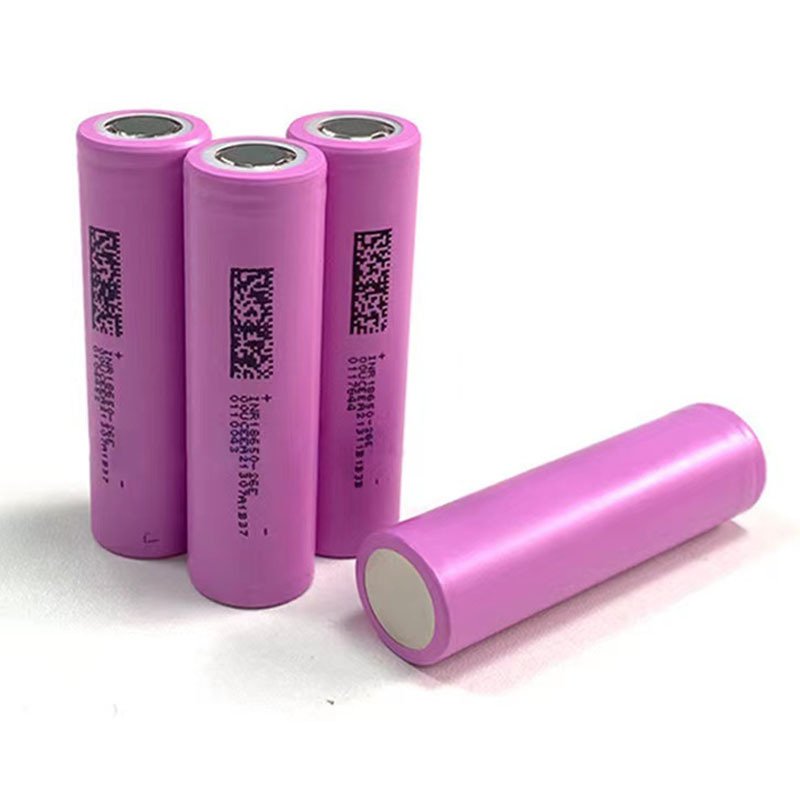
The term “18650” is a descriptive code rather than a brand name. It strictly defines the cell’s physical dimensions:
- 18: Represents the nominal diameter of the cell, which is 18mm.
- 65: Represents the nominal length of the cell, which is 65mm.
- 0: Indicates that the cell shape is cylindrical (prismatic cells use a ‘1’).
This standardization allows for universal compatibility across battery holders, chargers, and Battery Management Systems (BMS). However, within this fixed geometry, manufacturers like CNS BATTERY offer a diverse range of chemistries to suit specific application needs, including IMR (Lithium Manganese Oxide) for high power and INR (Lithium Nickel Manganese Cobalt Oxide) for high energy density.
Technical Deep Dive: Key Specifications for Engineers
When selecting an 18650 cell for industrial use, engineers must look beyond just voltage. The following table outlines the critical performance metrics available in our current product line, designed to meet the rigorous demands of power tools, e-bikes, and medical devices.
| Model No. | Chemistry | Typical Capacity | Nominal Voltage | Max Continuous Discharge | Primary Application |
|---|---|---|---|---|---|
| INR18650-2500 | INR | 2.5 Ah | 3.7 V | 15C | Power Tools, Garden Tools |
| INR18650-3000 | INR | 3.0 Ah | 3.7 V | 20A | High Power UPS, Flashlights |
| ISR18650-2200 | INR | 2.2 Ah | 3.7 V | 11A | Electric Bicycles (E-Bikes) |
| INR18650-3500 | INR | 3.5 Ah | 3.6 V | 7000mA | Smart Home, Portable ESS |
Technical Note: The INR18650-3000 model is a prime example of a balanced cell, offering a high capacity of 3.0Ah while maintaining a robust 20A continuous discharge capability. This makes it ideal for applications requiring both runtime and power bursts.
Why the 18650 Remains the Industry Benchmark
Despite the emergence of newer form factors like the 21700, the 18650 remains the workhorse of the industry due to several distinct engineering advantages:
- Thermal Management Efficiency: The smaller surface area-to-volume ratio of the 18650 compared to larger cells allows for more efficient heat dissipation in densely packed battery packs. This is critical for maintaining cycle life in high-drain applications.
- Redundancy and Safety: In a battery pack, using multiple 18650 cells provides redundancy. If one cell fails, the entire pack does not necessarily short circuit immediately, allowing the BMS more time to react compared to a single large prismatic cell.
- Mature Supply Chain: The manufacturing process for 18650 cells is highly automated and refined. This results in lower internal resistance and higher consistency between cells, which is paramount for pack assembly yield.
Accessing Free Samples for Your R&D
For engineering teams validating a new design or procurement managers qualifying a second source, physical testing is non-negotiable.
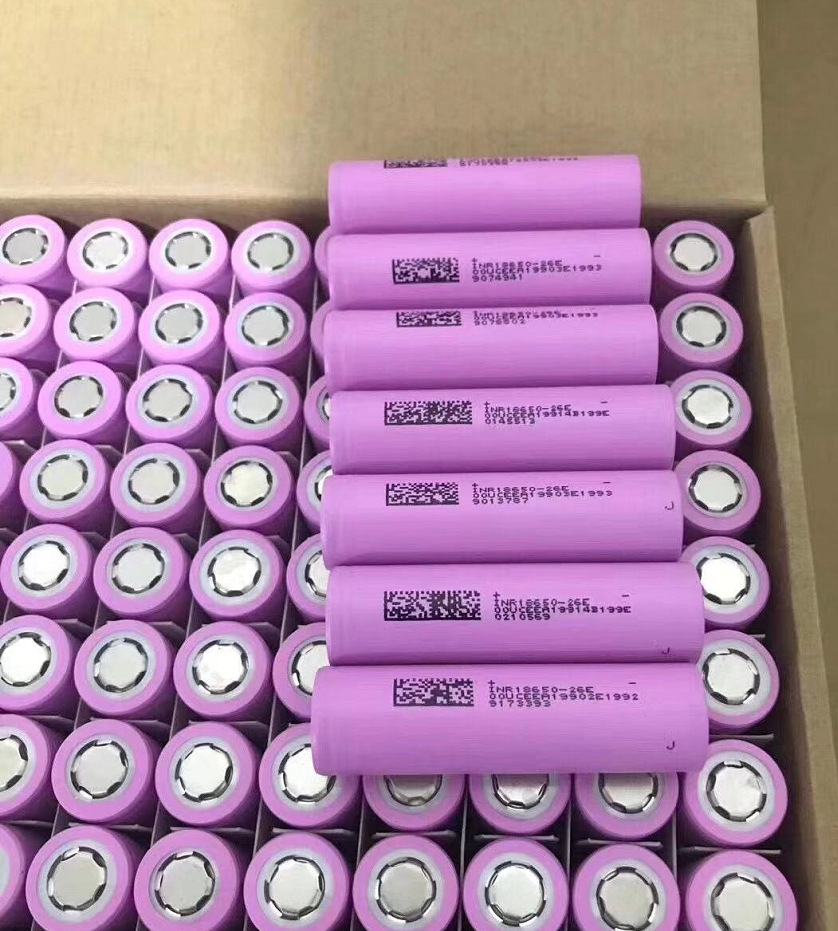
We understand that your project timeline is critical. To facilitate this, we offer 18650 battery cell free samples to serious industrial partners. These samples are not generic units but are pulled from our high-volume production lines to ensure the data you collect is representative of the mass-produced product.
How to Request:
To ensure our resources are allocated to active development projects, we ask that you provide basic company information and the intended application for the cells. This helps our technical sales team match you with the most suitable chemistry (High Energy vs. High Power) for your specific voltage and current requirements.
If you are ready to test the performance of our cells in your lab, please utilize the contact form below or visit our product center to initiate the qualification process.
Partnering for Power: Your Next Steps
Selecting the right cylindrical cell is a balance of energy density, discharge rate, and lifecycle cost. Whether you are designing a next-generation cordless drill or a portable solar generator, the 18650 format offers a proven, reliable foundation.
If you require further technical documentation, such as detailed datasheets or cycle life test reports, or wish to discuss custom specifications, our R&D team is ready to assist.
Ready to test the quality? Contact our sales engineers today to discuss your project requirements and request your 18650 battery cell free sample.
For a comprehensive look at our cylindrical cell portfolio, including the latest 21700 and 32700 formats, visit our Cylindrical Battery Cell product page. As a leading Battery Manufacturer in China, we are committed to providing global partners with the highest standard of industrial power solutions.