
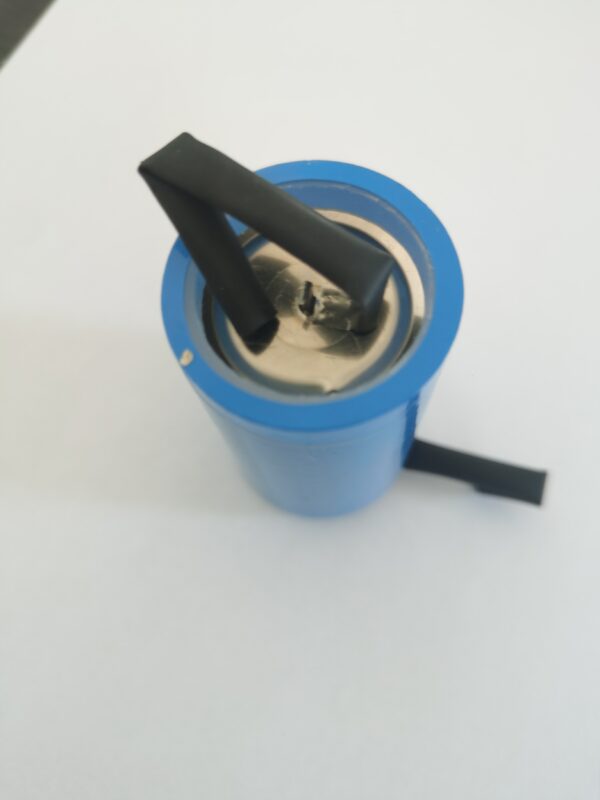
Here is a professional, SEO-optimized article tailored for a B2B audience, focusing on the technical and practical aspects of using Lithium Thionyl Chloride (Li-SOCl₂) batteries in soil moisture sensors.
Uninterrupted Soil Data: Why Li-SOCl₂ Wide Temperature Cells are the Industry Standard
In the realm of precision agriculture and large-scale environmental monitoring, data integrity is paramount. A soil moisture sensor network is only as reliable as its power source. When these devices are deployed across vast farmlands, buried in trenches, or installed in remote forestry zones, the prospect of frequent battery swaps is not just inconvenient—it is economically unsustainable. For Original Equipment Manufacturers (OEMs) and system integrators, the solution lies in primary lithium chemistry, specifically Lithium Thionyl Chloride (Li-SOCl₂) cells. These cells offer the unique combination of high energy density and extreme temperature resilience required for “fit-and-forget” soil monitoring systems.
The Technical Edge: Chemistry of Longevity
To understand why Li-SOCl₂ is the gold standard, we must look at the electrochemistry. Unlike secondary (rechargeable) batteries that rely on intercalation reactions, primary lithium batteries utilize a metallic anode. In the case of Lithium Thionyl Chloride, the anode is Lithium metal, and the cathode is Thionyl Chloride (SOCl₂).
This chemistry provides a specific advantage for soil sensors:
- Voltage Stability: Li-SOCl₂ cells maintain a nominal voltage of 3.6V. This is significantly higher than alkaline (1.5V) or Lithium Manganese Dioxide (3.0V) batteries.
- Passivation Layer: A critical feature of this chemistry is the formation of a passivation layer (LiCl) on the lithium anode. While this can cause voltage delay in high-pulse applications, it drastically reduces the self-discharge rate—often to less than 1% per year. For a soil sensor that spends 99% of its time in “sleep mode,” this translates to a theoretical service life of 15 to 20 years.
Wide Temperature Operation: Surviving the Soil Profile
Soil temperature is not static. It fluctuates with seasons and depth. A sensor placed just 30cm below the surface in a temperate zone can experience swings from +30°C in summer to -20°C in winter. Standard consumer batteries fail in these conditions, but Wide Temperature Li-SOCl₂ cells are engineered to perform.
| Feature | Standard Lithium | Wide Temperature Li-SOCl₂ |
|---|---|---|
| Operating Range | -20°C to +60°C | -55°C to +85°C |
| Performance at -40°C | Voltage drop, capacity loss | Maintains >70% rated capacity |
| Ideal For | Indoor devices | Deep soil, Arctic, Desert climates |
The ability to operate at -55°C is non-negotiable for deployments in regions like Canada, Russia, or high-altitude agricultural zones. This wide temperature capability ensures that your data collection does not halt during the coldest winter months, a common failure point for standard power solutions.
Addressing the “Pulse” Challenge in Soil Sensors
A common technical hurdle when using Li-SOCl₂ in IoT sensors is the pulse capability. Because of the passivation layer mentioned earlier, standard “Bobbin-type” Li-SOCl₂ cells have high internal impedance, making them excellent for low-current applications (like maintaining memory or a sleep state) but poor for high-current pulses (like transmitting data via LoRaWAN or NB-IoT).
The Engineering Solution:
To utilize the energy density of Li-SOCl₂ while supporting the pulse load of a soil sensor transmitter, engineers employ one of two strategies:
- Hybrid Systems: Pairing the Li-SOCl₂ main cell with a supercapacitor. The battery slowly charges the supercapacitor during sleep cycles, and the supercapacitor delivers the high current burst required for radio transmission.
- Spiral Wound Cells: Using a spiral construction (rather than bobbin) reduces internal impedance, allowing for higher continuous drain. However, these typically have a shorter lifespan than bobbin types.
For most soil moisture sensor designs, the hybrid approach (Li-SOCl₂ + Supercap) is the optimal balance of longevity and performance.
Real-World Deployment: A Case Study in Smart Irrigation
Consider a large-scale vineyard in California implementing a smart irrigation system. The vineyard installs 500 soil moisture probes to a depth of 1 meter.
- The Problem: Replacing batteries in 500 probes requires digging up soil, disrupting root systems, and labor costs exceeding $50,000 per cycle.
- The Solution: The vineyard specifies sensors powered by 3.6V Wide Temperature Li-SOCl₂ cells.
- The Outcome: With a projected lifespan of 15 years and a temperature tolerance down to -40°C, the system operator eliminates maintenance cycles for over a decade. The data collected remains consistent because the voltage does not sag during cold snaps, ensuring accurate readings year-round.
Selecting the Right Partner for Your Sensor Network
When sourcing batteries for soil moisture sensors, OEMs must look beyond just the cell specification. Factors such as batch consistency, hermetic sealing, and logistical support are critical.
For manufacturers looking to integrate a reliable power solution into their next generation of soil sensors, selecting a partner with expertise in primary lithium chemistry is essential. The goal is to provide your end customers with a sensor that is truly maintenance-free.
If you are developing or deploying soil moisture monitoring systems and need a power solution that guarantees data continuity in the harshest conditions, explore the technical specifications of our primary lithium cells. You can view our product range or contact our engineering team directly to discuss your specific energy requirements.
- Explore Primary Battery Solutions: Product Link
- Contact Our Engineering Team: Contact Us
