

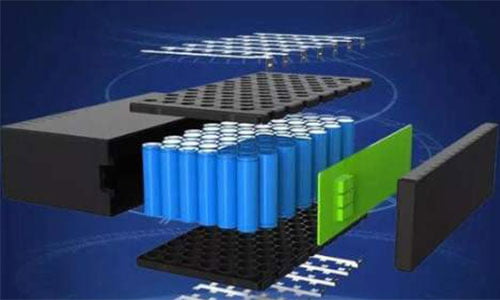
Drone UAV Lightweight 40150 Li-ion Cells High Power Full Test Reports Included
Optimizing UAV Performance: The Engineering Behind Lightweight 40150 Cylindrical Cells
In the rapidly evolving drone industry, the primary challenge for manufacturers and B2B operators is balancing flight time with payload capacity. Every gram of battery weight directly reduces the operational efficiency of an Unmanned Aerial Vehicle (UAV). Traditional cylindrical cells often force a compromise between energy density and discharge rate. This article explores the technical specifications and engineering advantages of the 40150 Li-ion cell, a next-generation solution designed specifically for high-power, lightweight drone applications. We will analyze the core technological parameters, the critical importance of comprehensive testing data, and how these cells integrate into modern UAV power systems.
1. The 40150 Format: Rethinking the Physics of UAV Power
The nomenclature “40150” defines the physical dimensions of the cylindrical cell: 40mm in diameter and 150mm in length. This “jumbo” format represents a significant shift from standard 18650 or 21700 cells, offering distinct engineering benefits for aerial applications.
- Geometric Efficiency: By increasing the diameter, engineers can maximize the ratio of active electrode material (which stores energy) to the inactive casing material (which adds dead weight). This results in a higher energy density per unit of volume compared to smaller cells.
- Reduced BMS Complexity: Fewer cells are required in a pack to achieve the same voltage and capacity. For instance, a 4S pack using 40150 cells requires only 4 cells, whereas a pack using 18650 cells might require 12 or more in parallel. This reduction simplifies the Battery Management System (BMS) architecture and lowers the resistance within the pack, leading to higher overall efficiency.
- Structural Integration: The larger size allows for better structural integration within the UAV frame, potentially acting as a structural member to stiffen the airframe without adding extra weight.
2. High-Power Chemistry and Thermal Management
For UAVs, high power is non-negotiable. Drones demand instantaneous high-current discharge during takeoff, climbing, and maneuvering. The 40150 cells discussed here utilize advanced Nickel-Manganese-Cobalt (NMC) or Lithium Nickel Cobalt Aluminum Oxide (NCA) chemistries optimized for power output.
- Low Internal Resistance: These cells are engineered with thick electrodes and optimized electrolyte formulations to minimize internal resistance (DCIR). This ensures that the voltage sag under heavy load is minimal, providing stable power to the Electronic Speed Controllers (ESCs).
- Thermal Stability: Heat is the enemy of battery life and safety. The 40150 format benefits from a lower surface-area-to-volume ratio, which can help in retaining heat in cold environments but requires active management in hot ones. Advanced thermal runaway prevention mechanisms and ceramic separators are standard in high-quality cells to prevent thermal events during extreme operation.
3. The Critical Role of Full Test Reports
As a professional lithium battery practitioner, I cannot overstate the importance of data transparency when sourcing cells for mission-critical UAV applications. “Full Test Reports Included” is not just a marketing slogan; it is a requirement for professional integration.
When evaluating 40150 cells, B2B clients must demand reports that include:
- Cycle Life Data: Proof of how the cell degrades over charge/discharge cycles at various temperatures.
- HPPC (Hybrid Pulse Power Characterization): This data is vital for BMS algorithm developers to accurately calculate State of Charge (SoC) and State of Health (SoH).
- Environmental Testing: Results from low-temperature discharge tests and high-temperature storage tests ensure the cell will perform in the field, not just in the lab.
Without these reports, integrating a cell into a commercial drone fleet is a gamble. Reputable manufacturers provide this data to prove the reliability and consistency of their production lines.
4. Customization and Application Scenarios
While the standard 40150 offers a robust platform, the drone market is diverse. Beyond standard cells, customization is often required for specialized applications.
- Agricultural Drones (Agri-UAVs): These require extreme durability and resistance to chemical corrosion. Custom electrolytes and ruggedized casings are often necessary.
- Industrial Inspection Drones: For long-range inspection, energy density is prioritized over raw power. Custom electrode formulations can push the Wh/kg ratio even higher.
- Delivery Drones: These need a balance of high energy and high power, along with fail-safe safety mechanisms.
5. Conclusion and Sourcing Guidance
The transition to 40150 Li-ion cells represents a significant step forward in UAV energy storage technology. By offering a superior balance of lightweight design and high-power output, these cells enable longer flight times and more robust payload capabilities.
For B2B clients looking to integrate this technology, partnering with an experienced manufacturer is essential. You need a partner who not only produces the cells but also provides the rigorous testing data required for safe and efficient integration.
If you are looking for high-power cylindrical solutions or need comprehensive technical support and test reports for your UAV projects, CNS BATTERY offers a range of customizable cylindrical cells. You can explore their product range, including specifications relevant to high-drain applications, on their Cylindrical Battery Cell page. For specific inquiries regarding 40150 formats or custom UAV battery solutions, please use their Contact Form to connect with their engineering team directly.


