
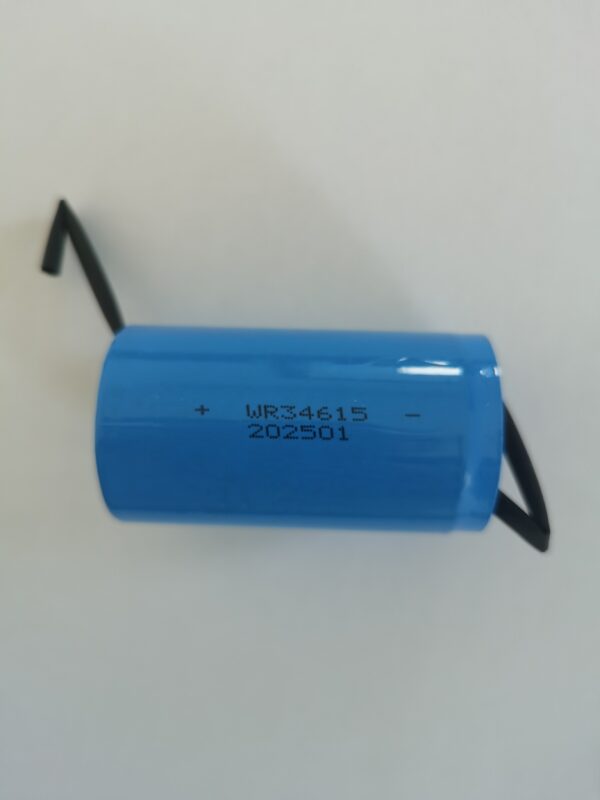
The Ultimate Power Solution: Lithium Metal Batteries for High-Altitude Atmospheric Research
When conducting high-altitude atmospheric research, the margin for error is zero. Whether launching weather balloons into the stratosphere or deploying unattended sensors on remote mountaintops, researchers face an unforgiving environment characterized by extreme cold, low pressure, and inaccessible terrain. In these scenarios, standard rechargeable lithium-ion batteries often fail, leaving critical data collection systems dead in the water.
As a professional blogger specializing in primary lithium batteries, I have analyzed countless field reports. The consensus is clear: Lithium-Manganese Dioxide (Li-MnO₂) and Lithium-Thionyl Chloride (Li-SOCl₂) batteries are the undisputed champions for high-altitude missions. Unlike their aqueous counterparts, these non-rechargeable powerhouses utilize organic or inorganic non-aqueous electrolytes that remain stable and functional even at temperatures as low as -55°C.
This article delves into the specific technical requirements of atmospheric research and explains why primary lithium batteries are not just an option, but a necessity.
1. The Core Challenge: Why Standard Batteries Fail at Altitude
High-altitude atmospheric research presents a unique set of physical challenges that standard consumer batteries cannot overcome.
The Freezing Point Problem
As altitude increases, temperature plummets. The standard rate of temperature decrease in the atmosphere (the lapse rate) is approximately 6.5°C per 1,000 meters. By the time a research payload reaches the upper troposphere or lower stratosphere, temperatures can easily drop below -40°C.
- Standard Lithium-Ion (Li-ion): These batteries rely on liquid electrolytes that begin to freeze or become highly viscous at low temperatures. This results in a massive increase in internal resistance, causing voltage drop and immediate power loss.
- Alkaline Batteries: Their aqueous electrolyte freezes solid, rendering them useless.
The Pressure Paradox
At high altitudes, atmospheric pressure decreases significantly. Sealed systems experience a pressure differential. If a battery is not hermetically sealed, the internal pressure can cause venting, leakage, or even explosion.
2. The Technical Superiority of Lithium Primary Chemistry
To understand why lithium metal batteries are the best, we must look at their electrochemical architecture.
Anode Stability: The Lithium Advantage
Lithium is the lightest metal and has the most negative redox potential. In primary lithium batteries, lithium metal serves as the anode. This provides a high specific energy (energy density). For researchers, this means lighter payloads, which is crucial for balloon-borne instrumentation where weight dictates altitude.
Cathode Variations for Different Needs
There are two primary chemistries used in this field, each suited for different research applications:
| Battery Type | Voltage | Best For | Key Feature |
|---|---|---|---|
| Lithium-Manganese Dioxide (Li-MnO₂) | 3.0V Nominal | Active sensors, GPS trackers | High pulse capability, wide temp range (-40°C to +85°C) |
| Lithium-Thionyl Chloride (Li-SOCl₂) | 3.6V Nominal | Long-term data loggers | Extremely high energy density, operates down to -55°C |
Non-Aqueous Electrolytes
The secret sauce lies in the electrolyte. Primary lithium batteries use organic solvents (like propylene carbonate) or inorganic compounds (like thionyl chloride). These do not freeze at sub-zero temperatures, allowing ion transport to continue even in the stratospheric cold.
3. Selecting the Right Battery: Active Sensors vs. Data Loggers
Not all atmospheric research is the same. The choice between a bobbin-type cell and a spiral-wound cell depends entirely on your power draw.
Scenario A: High-Pulse Applications (Radar, Radiosondes)
If your research involves transmitting data back to a ground station or powering active sensors that draw high current in short bursts, you need a battery with low internal impedance.
- Recommendation: Spiral-wound Lithium-Manganese Dioxide cells.
- Why: They can deliver high pulses required for radio transmission without voltage sag. They are also less prone to passivation (a layer that forms on the lithium anode) compared to Lithium-Thionyl Chloride cells, which can hinder high-current delivery.
Scenario B: Long-Duration, Low-Power Logging (Climate Monitoring)
For无人值守 stations on glaciers or high peaks that need to record temperature and pressure for months or years, energy density is king.
- Recommendation: Bobbin-type Lithium-Thionyl Chloride cells.
- Why: They offer the highest energy density available commercially. They are also hermetically sealed with welded stainless steel casings, making them impervious to the pressure changes encountered at high altitudes.
4. Engineering for the Stratosphere: Safety and Reliability
High-altitude research often involves expensive, one-of-a-kind equipment. A battery failure can mean the loss of millions of dollars in hardware and irreplaceable data.
Hermetic Sealing
The best lithium batteries for this application utilize laser welding to seal the cell. This ensures that no gases escape or enter the cell, maintaining internal pressure equilibrium regardless of the external vacuum.
Wide Temperature Operation
Standard batteries are rated for 0°C to 45°C. Primary lithium batteries are engineered for -55°C to +85°C operation. This ensures that when your payload ascends through the tropopause, the battery doesn’t just survive—it performs.
5. Why Partner with CNS BATTERY for Your Research?
When you are preparing for a launch or a high-altitude expedition, you need a partner, not just a supplier. Based in Zhengzhou, China, CNS BATTERY has established itself as a leader in the primary lithium battery market by focusing on the specific needs of industrial and scientific applications.
Tailored Solutions for Extreme Environments
CNS BATTERY doesn’t just sell off-the-shelf products; they offer customized requirements. Whether you need a specific voltage configuration, a unique battery pack size to fit your sensor housing, or specialized connectors for cold-weather operation, their R&D team can engineer a solution.
Rigorous Quality Management
Atmospheric research cannot afford “batch variation.” CNS BATTERY employs strict quality management systems to ensure that every battery cell leaving their factory meets the exacting standards required for high-altitude survival. Their commitment to “Every battery is a masterpiece of craftsmanship” translates directly into reliability in the field.
Global Support and Expertise
Navigating the logistics of shipping lithium batteries internationally requires expertise. CNS BATTERY understands the compliance requirements for shipping to research stations worldwide.
For researchers looking to optimize their next high-altitude mission, contacting a specialist like CNS BATTERY is the first step toward guaranteed power.
Expert Tip: If you are currently sourcing batteries for an upcoming atmospheric study, do not rely on generic consumer cells. Visit the CNS BATTERY Product Center to explore their range of industrial-grade solutions, or get in touch directly with their sales team via the Contact Us page for a consultation on the best chemistry for your specific altitude and temperature profile.
