

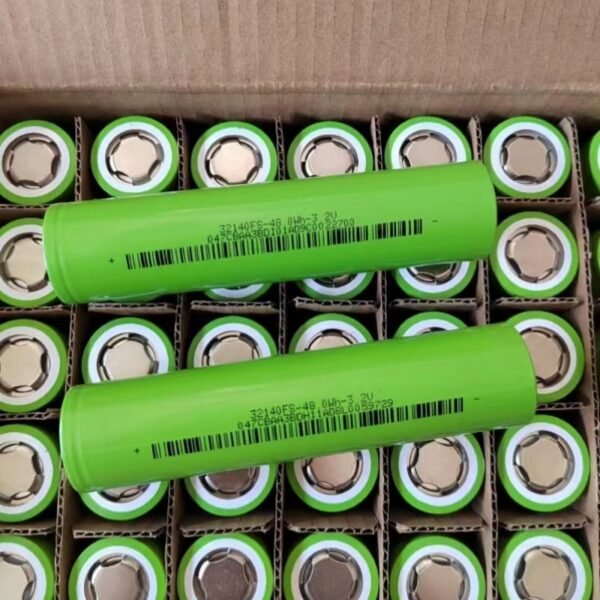
Perfect Cell Matching 18650 LFP Cells for Electric Motorcycle: The Ultimate Guide to Performance and Reliability
When it comes to powering electric motorcycles, the choice of battery cells is not just a technical specification—it is the defining factor of the vehicle’s soul. In the competitive landscape of electric mobility, Perfect Cell Matching 18650 LFP Cells have emerged as the gold standard for manufacturers seeking to balance high performance with rigorous safety standards.
As a professional in the lithium battery industry, I often see a gap between theoretical specifications and real-world application. Electric motorcycles demand a unique synergy of high discharge rates, thermal stability, and long cycle life. This guide will dissect why 18650 Lithium Iron Phosphate (LFP) cells are the optimal choice, moving beyond marketing hype to the hard science of battery engineering.
Why 18650 LFP Cells Dominate the E-Motorcycle Market
The transition from traditional lead-acid or early lithium chemistries to 18650 LFP technology marks a pivotal moment in electric transportation. But why has this specific format become the backbone of modern e-motorcycles?
1. The Physics of the 18650 Format
The “18650” designation refers to the physical dimensions of the cell: 18mm in diameter and 65mm in length. This cylindrical format offers superior mechanical stability compared to pouch cells, which is critical for the vibrations experienced on the road. More importantly, the cylindrical design allows for efficient heat dissipation—a non-negotiable feature for high-drain applications like motorcycles.
2. The Safety Advantage of LFP Chemistry
While Nickel-based chemistries (like NMC) offer higher energy density, LFP (Lithium Iron Phosphate) chemistry is renowned for its thermal and chemical stability. For an electric motorcycle, where the battery pack is often exposed to high temperatures and physical stress, LFP cells are virtually non-combustible. This inherent safety reduces the complexity and cost of the Battery Management System (BMS) while significantly lowering the risk of thermal runaway.
3. Longevity and Cycle Life
Electric motorcycles are not disposable gadgets; they are long-term investments. Standard LFP cells typically offer over 2,000 charge cycles while retaining 80% of their capacity. This translates to years of reliable service without the “range anxiety” that comes with degrading batteries.
The Technical Breakdown: Matching Cells for Maximum Output
“Perfect Cell Matching” is not merely a marketing slogan; it is a rigorous engineering process. To achieve optimal performance in an electric motorcycle, cells within a battery pack must be meticulously matched. Here is what that entails from a technical perspective.
Voltage and Capacity Bin Sorting
Cells are sorted into “bins” based on their voltage and capacity. For an e-motorcycle pack containing hundreds of cells, even a slight variance (e.g., 20mAh) can cause imbalances. During high-current discharge, mismatched cells force the BMS to cut power prematurely to protect the weakest cell, robbing the motorcycle of its top speed and torque.
Internal Resistance Synchronization
This is the most critical factor often overlooked by novice builders. The internal resistance (IR) of each cell must be matched within a tight tolerance. High resistance in a single cell creates a “bottleneck,” generating excessive heat and accelerating degradation. Perfectly matched cells ensure that the current flows evenly, maximizing the power output and lifespan of the entire pack.
The Role of the BMS
A Battery Management System is the brain of the operation. When paired with perfectly matched 18650 LFP cells, the BMS can focus on monitoring temperature and state of charge rather than constantly correcting imbalances. This synergy allows the motorcycle to deliver consistent acceleration and regenerative braking efficiency.
Applications and Performance Metrics
To understand the versatility of these cells, let us examine the specific performance metrics offered by leading manufacturers in the industry.
1. High-Drain Capabilities
For electric motorcycles, the ability to deliver high current is paramount. Certain high-power variants of the 18650 cell are designed to discharge at rates exceeding 20C (where C is the capacity of the cell). For example, a 3000mAh cell rated at 20C can theoretically deliver 60 Amps continuously. This ensures that the motorcycle can handle steep inclines and rapid acceleration without voltage sag.
2. Energy Density vs. Power Density
There is a trade-off in battery design: energy density (for long range) versus power density (for high speed). For electric motorcycles, a balance is required. While 21700 cells are gaining traction for their higher energy density, the 18650 format remains dominant due to its proven track record in thermal management and the maturity of the supply chain.
3. Environmental Resilience
Electric motorcycles operate in diverse climates. Quality LFP cells maintain performance in temperatures ranging from -20°C to 60°C. This resilience is crucial for manufacturers looking to sell their products globally, from the freezing winters of Europe to the scorching summers of Southeast Asia.
Making the Right Choice for Your E-Motorcycle Project
Selecting the right cells is a decision that impacts the entire lifecycle of your product. Whether you are building a prototype or scaling up production, the specifications of the cells must align with your performance goals.
Matching the Cell to the Use Case
Not all electric motorcycles are the same. A high-performance sport bike requires cells with a high continuous discharge rate (Power cells), whereas a commuter scooter prioritizes maximum range (Energy cells).
The following table outlines the common specifications for 18650 LFP cells used in the industry:
| Model | Capacity (Ah) | Nominal Voltage | Max Discharge Current | Primary Application |
|---|---|---|---|---|
| INR18650-2500 | 2.5 Ah | 3.7 V | 15C | Power Tools, Entry-Level E-Bikes |
| INR18650-3000 | 3.0 Ah | 3.7 V | 20A | Mid-Range E-Motorcycles, Scooters |
| INR18650-3500 | 3.5 Ah | 3.6 V | 7C | Long-Range Commuter Bikes |
| ISR18650-2200 | 2.2 Ah | 3.7 V | 11A | High-Performance, High-Drain Tools |
Note: These specifications are representative of industry standards and may vary slightly between manufacturers.
The Future is Modular
As the industry evolves, we are seeing a shift towards modular battery packs. By using standardized 18650 cells, manufacturers can design swappable battery systems. This not only enhances the user experience by eliminating long charging wait times but also simplifies the recycling process at the end of the battery’s life.
Partnering with the Right Manufacturer
In the global market, sourcing cells is not just about finding the lowest price; it is about securing a reliable supply chain. As a B2B buyer, you need a partner who understands the nuances of cell matching and quality control.
CNS Battery stands as a premier battery manufacturer in China, offering a comprehensive range of cylindrical battery cells designed for the rigors of electric transportation. With a commitment to automated production and strict quality management, they provide the consistency required for high-performance applications.
For those seeking to elevate their electric motorcycle projects with Perfect Cell Matching 18650 LFP Cells, it is essential to engage with experts who can provide customized solutions. Whether you need standard cells or a tailored battery system, direct consultation ensures that your specific voltage, capacity, and discharge requirements are met.
To consult with a technical expert or request a quotation for your next production run, visit the Contact Us page. Explore the full spectrum of high-energy and high-power cylindrical cells available at the Product Center, and discover why partnering with a proven battery manufacturer in China is the key to unlocking superior electric mobility.


