
Here is the professional, SEO-optimized article tailored for your target B2B audience.
The Unseen Powerhouse: Why Li-MnO₂ Batteries are the Optimal Choice for Smart Waste Bin Sensors
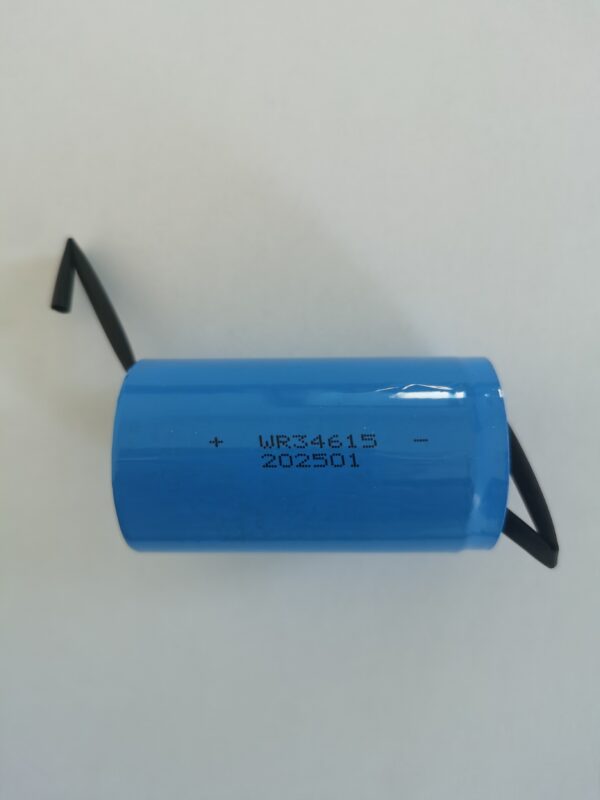
In the rapidly evolving landscape of Smart Cities, the humble waste bin has undergone a technological revolution. Behind the sleek, ultrasonic sensors that monitor fill levels lies a critical component often overlooked: the power source. For engineers and procurement specialists tasked with deploying robust Internet of Things (IoT) solutions, selecting the right battery chemistry is not merely a logistical decision—it is a determinant of system longevity, reliability, and total cost of ownership. Among the various chemistries available, Lithium Manganese Dioxide (Li-MnO₂) batteries have emerged as the industry standard for these specific applications. This article delves into the technical rationale behind this dominance, explaining why the unique characteristics of Li-MnO₂ cells make them the ideal “fit” for the harsh, intermittent, and long-duration demands of smart waste management systems.
The Operational Challenge: Why Standard Batteries Fail
Smart waste bin sensors operate in a unique environment that is hostile to conventional power sources. Unlike a smartphone that is charged daily, these devices must function autonomously for years. The primary challenge is the operating environment itself. Waste bins are subject to extreme temperature fluctuations, ranging from sub-zero winters to scorching summer heat. Furthermore, the sensors must endure mechanical shock during collection and compaction, as well as potential exposure to corrosive liquids and gases.
Standard alkaline or Zinc-Carbon batteries are ill-equipped for this task. They suffer from significant capacity loss in cold temperatures and are prone to leakage, which can destroy the sensitive electronics of a sensor. Lithium Iron Disulfide (Li-FeS₂) batteries, while robust, often cannot deliver the consistent voltage stability required for accurate ultrasonic readings over a long period. This is where the electrochemistry of Li-MnO₂ proves superior.
Technical Superiority: The Chemistry of Longevity
The core advantage of Li-MnO₂ batteries lies in their fundamental chemistry. These are primary (non-rechargeable) lithium batteries, meaning they utilize lithium metal as the anode and heat-treated Manganese Dioxide (MnO₂) as the cathode. This combination offers several distinct technical benefits:
- Exceptional Energy Density: Lithium is the lightest metal and has the highest negative electrochemical potential. This translates to a very high energy density, allowing the battery to store a significant amount of energy in a compact, lightweight form factor. For waste bin sensors, this means a smaller footprint without sacrificing runtime.
- Flat Discharge Curve: Unlike alkaline batteries that experience a gradual voltage drop, Li-MnO₂ cells maintain a stable voltage (typically 3.0V nominal) for approximately 90% of their lifespan. This stability is crucial for maintaining the accuracy of ultrasonic sensors, which rely on precise timing of sound wave reflections to calculate fill levels.
- Extreme Temperature Tolerance: These batteries function reliably in a wide temperature range, typically from -40°C to +60°C. This ensures that the sensor remains operational regardless of the climate, a non-negotiable requirement for outdoor IoT deployments.
- Low Self-Discharge Rate: With a self-discharge rate of less than 1% per year, Li-MnO₂ batteries can sit on a shelf or in a device for a decade without significant capacity loss. This guarantees that the sensor is ready to perform the moment it is deployed.
Addressing Intermittent High Pulses
While the primary function of a waste bin sensor is low-power monitoring, the critical moment occurs when the device wakes up to transmit data. Smart sensors typically use Low-Power Wide-Area Network (LPWAN) technologies such as NB-IoT, LoRa, or LTE-M. These transmissions require a sudden burst of high current, even if only for a fraction of a second.
One common misconception is that primary lithium batteries cannot handle high pulses. However, modern Li-MnO₂ technology, particularly when utilizing advanced cathode materials and optimized internal construction, is specifically engineered to manage these intermittent loads. The key is the cell’s low internal impedance. By minimizing resistance, the battery can deliver the necessary peak current to power the radio module without experiencing a significant voltage sag that could cause the sensor to reset or fail to transmit.
Designing for the Future: Reliability and Supply Chain
For OEMs and system integrators, the choice of battery extends beyond the technical specifications into the realms of supply chain security and standardization. The Li-MnO₂ chemistry is mature and widely standardized (e.g., in popular cylindrical formats like CR123A, CR2, or custom prismatic shapes). This standardization ensures that the design is not locked into a proprietary or volatile supply chain.
Moreover, the longevity of these batteries directly impacts the maintenance schedule of the smart bin network. A sensor powered by a high-quality Li-MnO₂ cell is designed to outlast the mechanical components of the bin itself, eliminating the need for disruptive and costly battery replacement cycles in the field. This “fit and forget” methodology is the cornerstone of profitable smart city infrastructure.
Partnering for Performance
Selecting the right Li-MnO₂ battery requires a partner who understands the nuances of IoT applications. It is not just about the chemistry, but also about the quality control, consistency, and customization capabilities of the manufacturer.
At CNS Battery, we specialize in crafting high-performance primary lithium solutions tailored for industrial IoT applications, including smart waste management. Our rigorous quality management systems ensure that every cell meets the exacting standards required for outdoor deployment.
If you are looking to optimize the performance and lifespan of your smart waste bin sensors, we invite you to explore our range of reliable power solutions.
Explore our Primary Battery range to find the perfect power source for your IoT project. Primary Battery Product Page
For technical inquiries or custom design support, our engineering team is ready to assist.
Contact Us Today Contact CNS Battery
