
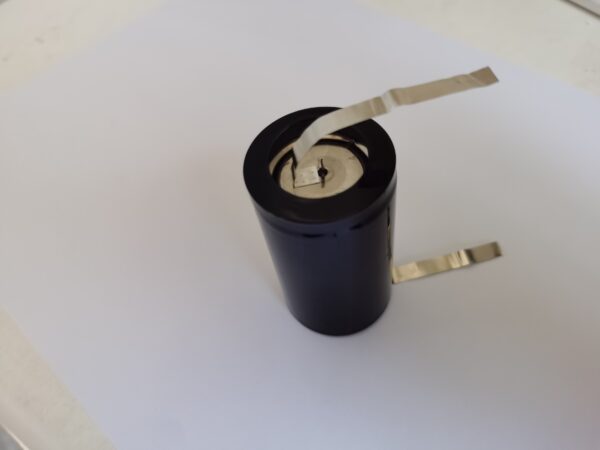
Title: The Hidden Science: Why Standard Lithium Batteries Fail in Geothermal High-Temperature Environments
In the demanding world of geothermal energy exploration and downhole drilling, the operational environment is unforgiving. Engineers and technical procurement managers face a recurring challenge: Why do standard lithium batteries fail in geothermal high-temperature environments? While lithium batteries are celebrated for their high energy density, the extreme heat found in geothermal wells often leads to catastrophic failures in standard cells. This article dissects the electrochemical and physical reasons behind these failures, providing a deep technical analysis of the thermal limits of lithium chemistry. We will explore the specific failure modes—ranging from electrolyte decomposition to internal short circuits—and contrast these with the advanced engineering solutions required to operate reliably in such harsh conditions.
🔬 The Core Mechanism: Electrochemical Breakdown at High Temperatures
To understand the failure, we must first look at the chemistry. Standard lithium batteries, typically designed for consumer electronics or mild industrial use, operate optimally between -20°C and 60°C. When subjected to the geothermal high-temperature environments exceeding 125°C, the fundamental electrochemical processes begin to degrade.
The primary culprit is the electrolyte decomposition. Standard organic electrolytes (such as LiPF6 in EC/DMC) become thermally unstable above 85°C. In a high-temperature environment, the solvent molecules begin to oxidize at the cathode surface. This oxidation is not a reversible process; it generates gases (like CO2 and CO) and forms a thick, resistive layer on the electrode surface. This layer, known as the Solid Electrolyte Interphase (SEI), is supposed to be stable. However, under geothermal heat, the SEI layer breaks down and reforms repeatedly, consuming active lithium ions and rapidly depleting the battery’s capacity.
⚠️ Three Critical Failure Modes in Extreme Heat
When standard lithium batteries are deployed in geothermal probes or downhole tools, they rarely just “die quietly.” The failure manifests in specific, often dangerous, ways. Understanding these modes is crucial for selecting the right power source.
1. Thermal Runaway and Gas Generation
As mentioned, the decomposition of the electrolyte produces gas. In a sealed standard cell, this gas generation leads to a rapid increase in internal pressure. This is the most common reason standard lithium batteries fail in geothermal high-temperature environments. The pressure buildup can cause the safety vent to rupture, leading to electrolyte leakage. In extreme cases, this can trigger a thermal runaway reaction where the heat generated by the chemical reaction further increases the temperature, leading to fire or explosion.
2. Separator Meltdown
The separator is a critical safety component. In standard lithium-ion batteries, the separator is often made of polyethylene (PE) or polypropylene (PP). These polymers have a melting point around 135°C. In a geothermal environment where temperatures can soar to 150°C or higher, the separator melts, causing an internal short circuit. This short circuit generates immense localized heat, instantly destroying the cell. This is a physical failure that standard materials simply cannot withstand.
3. Cathode Structural Collapse
High temperatures accelerate the degradation of the cathode material. For Lithium Cobalt Oxide (LCO) or standard Nickel Manganese Cobalt (NMC) chemistries, heat causes the transition metal ions to dissolve into the electrolyte. This dissolution destroys the crystal structure of the cathode, leading to a permanent loss of capacity. For geothermal applications requiring long-term logging, this rapid capacity fade renders standard cells useless within hours.
📊 Standard vs. Geothermal: A Performance Comparison
To visualize why standard cells fail, compare the specifications below. Standard cells are engineered for comfort, while geothermal cells are engineered for survival.
| Feature | Standard Lithium Battery | Geothermal Lithium Battery |
|---|---|---|
| Max Operating Temp | 60°C – 85°C | 125°C – 150°C+ |
| Separator Material | Polyethylene (Melts at 135°C) | Ceramic-Coated or Polyimide |
| Electrolyte | Organic Carbonates (Unstable >85°C) | Highly Stable Ionic Liquids/Salts |
| Failure Mode | Swelling, Leakage, Capacity Fade | Stable Operation, Controlled Discharge |
🛡️ The Solution: Engineering for the Abyss
To prevent standard lithium batteries from failing in geothermal high-temperature environments, a complete re-engineering of the cell chemistry and structure is required. This is not a simple modification but a fundamental shift in material science.
1. Advanced Separator Technology: Replacing the polyolefin separators with polyimide (PI) or aramid fiber separators is essential. These materials have melting points exceeding 400°C, ensuring that the anode and cathode remain physically separated even in the hottest geothermal wells.
2. Thermostable Electrolytes: Standard electrolytes are replaced with ionic liquids or specially formulated high-boiling-point solvents. These electrolytes do not vaporize or decompose easily, preventing the gas generation that plagues standard cells.
3. Robust Cathode Chemistry: Utilizing Lithium Thionyl Chloride (Li-SOCl2) or Lithium Iron Disulfide (Li-FeS2) chemistries, which are primary (non-rechargeable) cells, offers superior high-temperature performance compared to secondary (rechargeable) lithium-ion cells. These chemistries are inherently more stable at high temperatures and are the industry standard for downhole tools.
🌍 Geo-Specific Engineering: Meeting Global Standards
For engineers working on international geothermal projects, compliance with regional safety standards is non-negotiable. A battery that merely survives the heat is not enough; it must also meet the rigorous safety and environmental regulations of the target market.
EU & US Regulatory Compliance:
When sourcing batteries for high-temperature environments, it is vital to ensure they meet the specific import and safety standards of the European Union and the United States. This includes compliance with RoHS (Restriction of Hazardous Substances) and REACH regulations in Europe, which restrict the use of certain hazardous chemicals, and UL (Underwriters Laboratories) standards in the US, which verify the safety of the cell construction.
Regional Adaptation:
The design must account for the specific geology and temperature gradients of the region. For instance, geothermal wells in Iceland may have different fluid compositions compared to those in California, requiring slight adjustments in the battery’s hermetic sealing to resist corrosion from specific brines or gases.
🏭 Partnering with Expertise: CNS Battery
Navigating the complexities of why lithium batteries fail in geothermal high-temperature environments requires more than just a supplier; it requires a partner with deep technical expertise. At CNS Battery, we understand that your downhole tools depend on power sources that are engineered to defy the limits of standard chemistry.
Our Primary Battery solutions are specifically designed to operate reliably in extreme temperatures, utilizing advanced materials to prevent the thermal runaway and separator meltdown common in standard cells. We ensure our products meet the strictest EU and US technical standards, providing you with a safe, compliant, and high-performance power solution for your most demanding applications.
Don’t let standard batteries compromise your geothermal operations. Explore our range of ruggedized power solutions designed for the harshest environments.
Explore Our Primary Battery Solutions
For specific technical inquiries or custom requirements for your geothermal projects, contact our engineering team today.
