
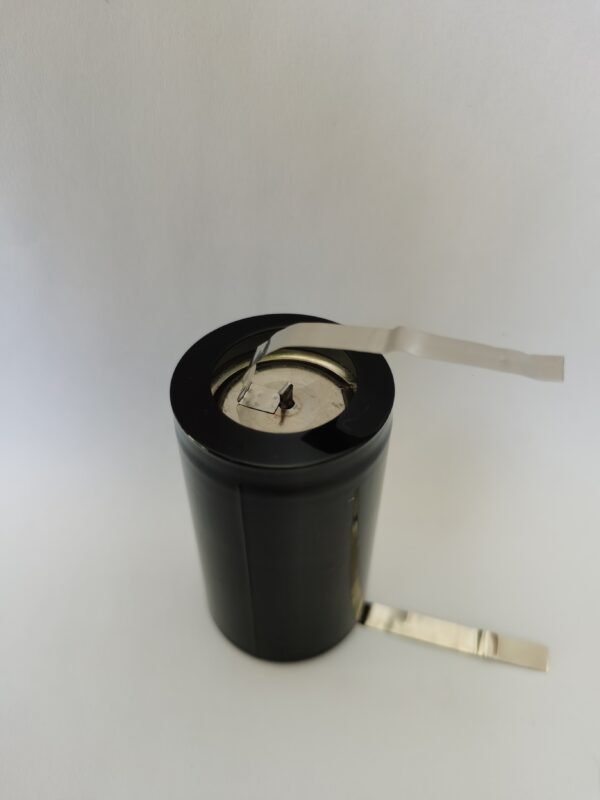
Vermont Off-Grid Cabin Li-SOCl₂ Battery | UL Certified
For engineers and technical procurement managers seeking reliable power solutions for remote monitoring systems in the Vermont wilderness, standard lithium-ion batteries often fall short. The extreme temperature fluctuations and the necessity for decades of maintenance-free operation demand a specialized chemistry: Lithium Thionyl Chloride (Li-SOCl₂). This article explores how CNS Battery’s UL Certified primary battery technology provides the ultimate solution for powering off-grid cabins, remote sensors, and critical infrastructure in harsh environments.
The Technical Superiority of Li-SOCl₂ Chemistry
To understand why Lithium Thionyl Chloride is the industry standard for static remote applications, one must examine the fundamental electrochemistry. Unlike secondary (rechargeable) lithium-ion cells, primary lithium batteries utilize a non-aqueous electrolyte system. The specific reaction between Lithium (anode) and Thionyl Chloride (cathode) yields a nominal voltage of 3.6V, significantly higher than standard alkaline or lithium-ion cells.
Key Advantages:
- Thermal Resilience: Operates effectively from -55°C to +85°C. This is critical for Vermont winters where temperatures can plummet far below freezing, a range where standard batteries suffer from capacity fade or catastrophic failure.
- Energy Density: Achieves the highest specific energy (up to 710 Wh/kg) of any commercially available battery chemistry, ensuring long-term power in a compact form factor.
- Low Self-Discharge: Exhibits an annual self-discharge rate of less than 1%, guaranteeing a service life of 10 to 20 years without maintenance.
Engineering for Safety: UL Certification in Remote Deployments
Deploying battery systems in remote cabins or unattended locations introduces unique safety risks. A battery failure in an off-grid cabin is not just a power outage; it can pose a fire hazard with no one present to mitigate it. This is why UL Certification is non-negotiable for B2B technical buyers.
CNS Battery’s primary lithium cells undergo rigorous testing protocols to meet UL standards. This certification verifies that the cells have passed stringent abuse tests, including crush tests, impact tests, and exposure to high temperatures, ensuring they will not vent, rupture, or catch fire under normal or fault conditions. For the Vermont off-grid market, this certification provides the necessary assurance for insurance compliance and operational safety.
Application Scenarios: Beyond the Standard Cabin
While powering a remote cabin is the primary use case, the versatility of these batteries extends to various industrial and consumer applications requiring “fit and forget” technology.
- Remote Monitoring: Data loggers, weather stations, and security systems in isolated locations.
- Industrial IoT (IIoT): Smart meters (water/gas), asset trackers, and GPS transmitters.
- Medical Devices: Portable diagnostic equipment and emergency backup power.
The following table highlights the compatibility of this technology with specific use cases:
| Application Type | Power Requirement | CNS Battery Solution |
|---|---|---|
| Off-Grid Cabin Sensors | Long-term, low current draw | High Capacity Li-SOCl₂ |
| Smart Meters | Pulse current for data transmission | Bobbin-type Li-SOCl₂ |
| Data Loggers | Intermittent high current pulses | Hybrid Layer Capacitor (HLC) |
Addressing Voltage Delay and High Current Needs
A common technical challenge with standard Li-SOCl₂ batteries is the “voltage delay” phenomenon. Immediately after a high current pulse, the voltage can drop temporarily due to the formation of a passivation layer on the lithium anode. For applications requiring frequent high-current pulses (such as transmitting data from a remote cabin), this can be problematic.
The Engineering Solution:
To mitigate this, CNS Battery offers integrated solutions that pair the primary Li-SOCl₂ cell with a Hybrid Layer Capacitor (HLC) or a secondary lithium-ion backup. This hybrid approach allows the primary cell to handle the “keep-alive” low-current load for decades, while the capacitor or secondary cell delivers the necessary high current for wireless transmission without voltage drop.
Supply Chain Reliability and Technical Support
For procurement managers, sourcing components that are both technically compliant and logistically stable is a constant challenge. CNS Battery addresses this by maintaining a robust supply chain for primary lithium cells, ensuring that project timelines for remote cabin installations are not delayed.
Furthermore, the company provides comprehensive technical datasheets and application engineering support. Whether you are calculating the precise battery life for a specific sensor load or designing a custom battery pack for a harsh environment, having access to expert technical data is crucial for successful deployment.
Conclusion
For the Vermont off-grid market, selecting the right power source is a critical engineering decision. The combination of Lithium Thionyl Chloride chemistry and UL Certification offered by CNS Battery provides the safety, longevity, and reliability required for remote deployments.
If you are currently specifying components for a remote monitoring project or an off-grid cabin solution, it is essential to partner with a manufacturer that understands the specific demands of primary lithium technology.
