
Here is the SEO-optimized article tailored for your requirements.
The Ultimate Guide to Maxell ER33600 3.6V D Size Li-SOCl₂ Battery Alternatives
In the industrial battery sector, the Maxell ER33600 has long been the gold standard for high-energy, long-life applications. However, supply chain volatility and specific project requirements often necessitate a search for robust Maxell ER33600 alternatives. Finding a compatible substitute requires more than just matching dimensions; it demands a deep understanding of the Li-SOCl₂ (Lithium Thionyl Chloride) chemistry and its behavior under various load conditions.
This guide cuts through the noise to provide a technical comparison, practical selection criteria, and a reliable source for high-quality replacements.
Understanding the ER33600 Specification
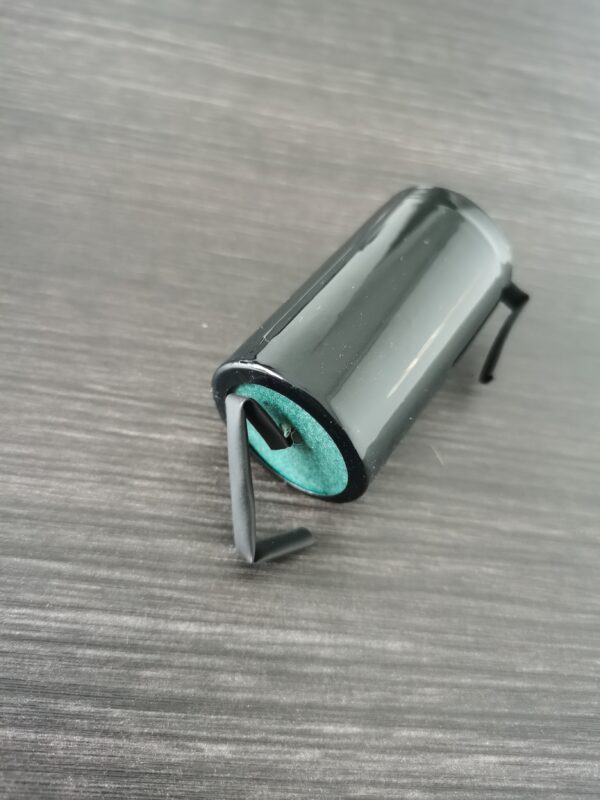
Before seeking an alternative, it is crucial to understand the specific parameters of the original cell. The Maxell ER33600 is a 3.6V D Size cylindrical primary lithium battery.
| Parameter | Value | Significance |
|---|---|---|
| Nominal Voltage | 3.6V | Standard for Li-SOCl₂ chemistry. |
| Diameter | 33mm | Must fit standard “D” cell holders. |
| Height | 60mm | Critical for physical fit in the device. |
| Chemistry | Li-SOCl₂ | Offers the highest energy density of primary chemistries. |
Why Seek an Alternative to Maxell?
While Maxell is a reputable brand, industrial buyers often face three primary challenges that drive the search for alternatives:
- Supply Chain Resilience: Relying on a single supplier creates risk. Having a qualified alternative ensures production continuity.
- Cost Optimization: For large-scale deployments (e.g., AMR/AGV fleets or utility meters), bulk pricing on high-quality OEM cells can offer significant savings.
- Customization Needs: Standard off-the-shelf cells may not meet specific voltage regulation or pulse requirements of modern IoT devices.
Technical Challenges of Li-SOCl₂ Replacement
Not all lithium batteries are created equal. Lithium Thionyl Chloride (Li-SOCl₂) cells have unique electrical characteristics that must be matched by any alternative.
The Voltage Delay Phenomenon:
Unlike alkaline or lithium-ion batteries, Li-SOCl₂ cells exhibit a “voltage delay” immediately after a heavy load is applied. This is due to the chemical reaction kinetics between the Lithium anode and the Thionyl Chloride cathode. A direct replacement must manage this delay effectively to prevent system resets in your device.
Pulse Power Capability:
Modern telemetry devices require high pulse currents (often >1A) for data transmission, while the base chemistry is designed for low-rate continuous discharge. A suitable alternative must incorporate advanced cathode design or hybrid technologies (like bobbin-type construction with capacitors) to handle these pulses without voltage collapse.
Selecting a Reliable Maxell ER33600 Alternative
When evaluating a 3.6V D Size battery as a drop-in replacement, focus on these three technical criteria:
1. Pulse Performance (The “Real World” Test)
Do not just compare the nominal capacity (mAh). Ask for the pulse capability at 3.2V cut-off. A high-quality alternative should sustain pulses required by LoRaWAN, NB-IoT, or 4G modules without the voltage dipping below the operating threshold of your PCB.
2. Passivation Management
Li-SOCl₂ cells naturally form a passivation layer (LiCl) on the lithium anode. While this reduces self-discharge (enabling a 10-20 year shelf life), it can cause voltage depression during initial pulses. Superior alternatives use proprietary electrolyte additives or cathode formulations to minimize this effect, ensuring reliable start-up in cold environments.
3. Physical Tolerance
While the standard is D Size (33mm x 60mm), verify the seal height and nipple/button top specifications. A mismatch here can cause contact resistance issues or physical damage to the device’s spring contacts.
The CNS BATTERY Solution: Engineered for Compatibility
For industrial buyers looking for a technically sound Maxell ER33600 equivalent, CNS BATTERY offers a compelling value proposition. As a specialized manufacturer of primary lithium batteries, our engineering approach focuses on solving the specific pain points of voltage delay and pulse power.
Key Advantages of the CNS BATTERY Alternative:
- Optimized Cathode Design: Our proprietary cathode formulation significantly reduces internal resistance, allowing for higher continuous discharge rates compared to standard bobbin-type cells.
- Wide Temperature Range: Certified to operate from -55°C to +85°C, our cells are suitable for harsh environments where standard batteries fail.
- Customization Capability: Unlike consumer brands, we offer OEM/ODM services. If your application requires specific wire leads, connectors (like JST or Molex), or a custom BMS for multi-cell packs, we can integrate these directly into the manufacturing process.
Technical Specifications Comparison
| Feature | Standard Maxell ER33600 | CNS BATTERY Alternative |
|---|---|---|
| Nominal Voltage | 3.6V | 3.6V |
| Nominal Capacity | ~19,000 mAh | 19,000+ mAh |
| Pulse Capability | Moderate (Standard Bobbin) | High (Optimized for IoT/M2M) |
| Operating Temp | -55°C to +85°C | -55°C to +85°C |
| Shelf Life | 10 Years | 10+ Years |
Applications and Use Cases
A reliable 3.6V D Size alternative is critical in sectors where battery failure means system downtime. Our cells are rigorously tested for the following applications:
- Smart Metering: Gas, water, and electricity meters require a decade of maintenance-free operation. Our cells provide the stable voltage required for accurate measurement and transmission.
- Industrial IoT (IIoT): For asset trackers and remote sensors deployed in extreme conditions, the wide temperature tolerance of Li-SOCl₂ is non-negotiable.
- Memory Backup: In industrial PLCs and medical devices, the high energy density ensures data integrity during power outages.
Conclusion: Making the Switch
Switching from a legacy brand like Maxell to a specialized manufacturer like CNS BATTERY is a strategic decision based on engineering merit, not just price. By understanding the nuances of Li-SOCl₂ chemistry, particularly the voltage delay and pulse power requirements, you can ensure a seamless transition.
If you are currently facing supply constraints or need a customized solution for your next design, we invite you to explore our product range.
Explore our Primary Lithium Battery Range: CNS BATTERY Primary Battery Products
Contact our engineering team for a direct comparison sample: Contact Us
