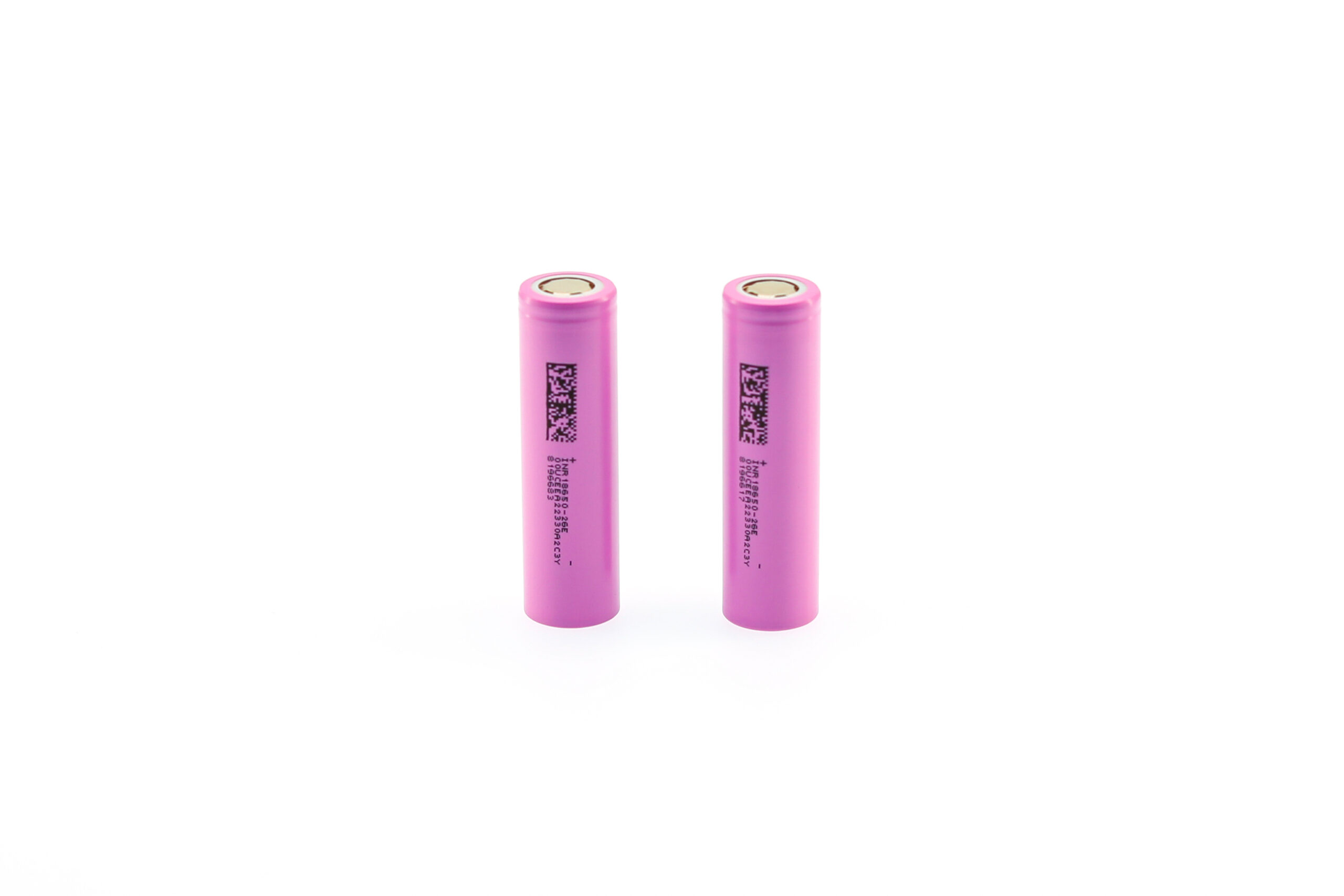
The 32700 Battery Cell: Powering the Future of Residential Energy Storage
In the rapidly evolving landscape of renewable energy, residential Energy Storage Systems (ESS) are no longer a luxury but a necessity. As homeowners seek to maximize energy independence and hedge against grid volatility, the demand for high-capacity, durable, and safe battery solutions has surged. Among the myriad of options available today, the 32700 Battery Cell stands out as a technological marvel, specifically engineered to meet the rigorous demands of modern home energy storage.
At CNS Battery, we recognize that the core of any reliable ESS is the battery cell itself. While 18650 and 21700 formats have served the industry well, the transition to larger format cells like the 32700 represents a significant leap forward in energy density and thermal management. This article will delve into the technical specifications, advantages, and specific applications of our 32700 cylindrical battery cells, demonstrating why they are the superior choice for your next residential storage project.
Technical Deep Dive: Anatomy of the 32700
To understand why the 32700 format is gaining traction, one must first understand its nomenclature and physical properties. The designation “32700” follows the standard naming convention for cylindrical lithium-ion cells, where the numbers represent the physical dimensions in millimeters.
- Dimensions: The “32” indicates a nominal diameter of 32 mm, and the “70” indicates a height of 70 mm. The “0” signifies that it is a cylindrical (round) cell.
- Chemistry: Our 32700 cells utilize advanced Lithium Iron Phosphate (LiFePO4) chemistry, often denoted as IFR (Iron) type. This chemistry is renowned for its stability and long cycle life, making it inherently safer than traditional lithium cobalt oxide batteries.
- Capacity & Voltage: Unlike the 18650 (approx. 1.5–3.5Ah) or the 21700 (approx. 4–5Ah), the CNS 32700 battery boasts a typical capacity of 6000mAh (6.0Ah). It maintains a nominal voltage of 3.2V, which is characteristic of the LiFePO4 chemistry.
This substantial increase in volume allows for a single cell to store significantly more energy, reducing the total number of cells required in a Battery Management System (BMS) for a given capacity.
Key Advantages for Residential ESS
When designing a residential ESS, engineers and procurement managers prioritize three critical factors: safety, longevity, and cost-efficiency. The 32700 format excels in all three areas.
1. Ultra-Large Capacity & High Energy Density
The primary advantage of the 32700 cell is its “Super Large Capacity.” By packing 6000mAh into a single unit, system integrators can achieve the same total pack capacity with fewer cells. This reduction in cell count directly translates to a simpler Battery Management System (BMS) architecture. Fewer cells mean fewer connection points, which lowers the risk of failure and simplifies the manufacturing process of the final ESS unit.
2. Superior Thermal Management
Heat generation is the nemesis of battery life. The 32700 format features an optimized internal structure that generates less heat during both charge and discharge cycles compared to assembling multiple smaller cells to achieve the same capacity. This excellent thermal stability ensures that the battery operates within a safe temperature window, even during peak load discharge in high-power applications. For a residential setting where the ESS might be located in a garage or utility room, maintaining lower operating temperatures enhances safety and extends the lifespan of the entire system.
3. High Efficiency and Cost-Effectiveness
While the upfront cost per cell might be higher than a 18650, the Total Cost of Ownership (TCO) is significantly lower. The 32700 cell offers a higher energy density in a relatively compact space. Furthermore, the LiFePO4 chemistry provides an exceptional cycle life. This means homeowners need to replace their storage units less frequently, and manufacturers benefit from reduced warranty claims and maintenance costs.
Application Scenarios
The robust design of the 32700 cell makes it versatile beyond just residential storage. However, its attributes are particularly well-suited for home use.
| Feature | Specification | Residential ESS Benefit |
|---|---|---|
| High Capacity | 6.0Ah | Stores more solar energy during the day for night-time use. |
| Stable Discharge | 3C Continuous | Powers high-load home appliances (e.g., AC units, microwaves) without voltage sag. |
| Safety | LiFePO4 Chemistry | Non-combustible electrolyte reduces fire risk in home environments. |
Beyond residential storage, these cells are also ideal for Electric Vehicles (EVs), High-Power Power Tools, and Medical Equipment. The high discharge efficiency ensures that devices requiring sudden bursts of power operate seamlessly.
Conclusion: Why Choose CNS Battery?
Selecting the right battery manufacturer is as crucial as selecting the right cell format. CNS Battery is not just a supplier; we are a partner in energy innovation. Established in 1998, our decades of R&D have culminated in the production of high-performance cylindrical cells, including the 18650, 21700, and the state-of-the-art 32700.
We provide comprehensive customizable solutions for the world. Whether you are looking to integrate our standard IFR32700-6000 model into your next ESS design or require a fully customized battery solution tailored to specific voltage and capacity needs, our team of experts is ready to assist.
As a leading Lithium-ion cylindrical battery manufacturer in China, we adhere to strict quality control measures to ensure every cell meets international safety standards. Our commitment to reliability and cutting-edge technology ensures that your energy storage projects are built on a solid foundation.
To consult on your specific residential ESS requirements or to request a sample of our 32700 battery cells, please do not hesitate to contact our sales team.
Sources: