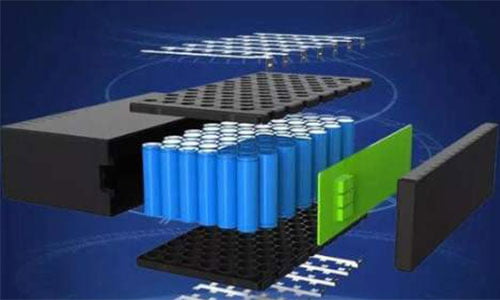
Complete Minimal Capacity Fade Solution for EV Using High-Quality 18650 LFP Cells Factory Direct
The electric vehicle (EV) industry is currently facing a pivotal challenge: while demand is soaring, consumer confidence is often hampered by the “range anxiety” caused by battery degradation. As a professional lithium battery blogger and industry insider, I have observed that the traditional NMC (Nickel Manganese Cobalt) battery solutions, while energy-dense, often struggle with thermal management and capacity fade over time. This creates a critical need for a solution that prioritizes longevity and safety without compromising on performance. This article will explore how a factory-direct approach utilizing high-quality 18650 Lithium Iron Phosphate (LFP) cells offers a complete, minimal capacity fade solution for the modern EV market.
Understanding the “Fade” in EV Batteries
Before diving into the solution, it is crucial to understand the enemy: capacity fade. In the context of lithium-ion batteries, capacity fade refers to the gradual loss of a battery’s ability to hold a charge over its lifecycle. This phenomenon is primarily driven by the formation of the Solid Electrolyte Interphase (SEI) layer on the anode and the degradation of the cathode materials.
In traditional NMC batteries, the high nickel content, while beneficial for energy density, contributes to structural instability at high temperatures. This instability accelerates the chemical reactions that lead to capacity loss. Furthermore, the cobalt dependency introduces ethical sourcing concerns and price volatility.
The Technical Superiority of 18650 LFP Chemistry
To address these issues, the industry is witnessing a significant shift towards Lithium Iron Phosphate (LFP) chemistry, particularly in the robust 18650 cylindrical format.
1. Intrinsic Structural Stability
Unlike NMC cathodes, which rely on a layered oxide structure that can collapse during deep cycling, LFP utilizes an Olivine crystal structure. This structure provides a stable framework during lithium-ion intercalation and de-intercalation. The strong P-O covalent bonds in the phosphate polyanion are much more resistant to decomposition, even under thermal stress. This inherent stability is the primary reason LFP cells exhibit minimal capacity fade.
2. The 18650 Advantage
The 18650 cell format (18mm diameter, 65mm height) is not just a standard; it is a testament to engineering maturity. These cells benefit from over three decades of refinement. The cylindrical design offers superior mechanical integrity compared to pouch or prismatic cells, which are prone to swelling. Furthermore, the small form factor of the 18650 allows for excellent thermal management within a battery pack. With thousands of individual cells, the heat is distributed more evenly, preventing the “hot spots” that accelerate degradation in larger format cells.
3. Cycle Life Metrics
From a technical standpoint, high-quality 18650 LFP cells can achieve over 3,000 to 5,000 charge-discharge cycles while retaining 80% of their initial capacity. This translates to a vehicle lifespan that can exceed 15 years or 300,000+ miles for the average driver, effectively solving the “fade” problem at its core.
The Factory Direct Model: Ensuring Quality and Value
Purchasing high-quality 18650 LFP cells directly from the manufacturer is not just about cutting costs; it is about securing control over the supply chain.
When you buy factory direct, you eliminate the markup associated with multiple distribution layers. More importantly, you gain direct access to the engineering team. This allows for customization of Battery Management Systems (BMS) and module integration specific to your EV application. You are not just buying a commodity; you are partnering with the source of innovation.
Why Choose CNS BATTERY for Your EV Solution?
In the global market, sourcing reliable LFP cells requires a partner with a proven track record. CNS BATTERY stands out as a leading manufacturer based in Zhengzhou, China, offering a complete solution for EV manufacturers and distributors.
1. Uncompromised Quality Control
CNS BATTERY operates a state-of-the-art manufacturing facility that adheres to the highest international standards. As a vertically integrated manufacturer, they control every step of the process, from raw material selection to final assembly. This ensures that every 18650 cell leaving their factory meets strict tolerances for capacity and internal resistance, which is critical for pack longevity.
2. Comprehensive Product Range
Whether your application requires high energy density or high power output, CNS BATTERY offers a diverse portfolio. Their Cylindrical Battery Cell lineup includes various specifications suitable for Electric Bicycles (E-Bikes), Electric Scooters, and even larger Passenger Vehicles.
3. Global Partnership and Support
As a top-tier Battery Manufacturer in China, CNS BATTERY understands the complexities of the global market. They provide dedicated support for international clients, ensuring compliance with local regulations and offering logistical solutions that simplify the import process.
For EV manufacturers looking to build a reputation for reliability and long-lasting performance, partnering with CNS BATTERY provides the technical foundation and supply chain security needed to succeed.
Conclusion
The transition to electric mobility demands batteries that are not only powerful but also enduring. By utilizing high-quality 18650 LFP cells sourced directly from the factory, the industry can finally move past the limitations of capacity fade. This solution offers a perfect balance of safety, longevity, and cost-efficiency. If you are ready to explore how this technology can elevate your EV project, contact CNS BATTERY today to discuss your specific requirements.