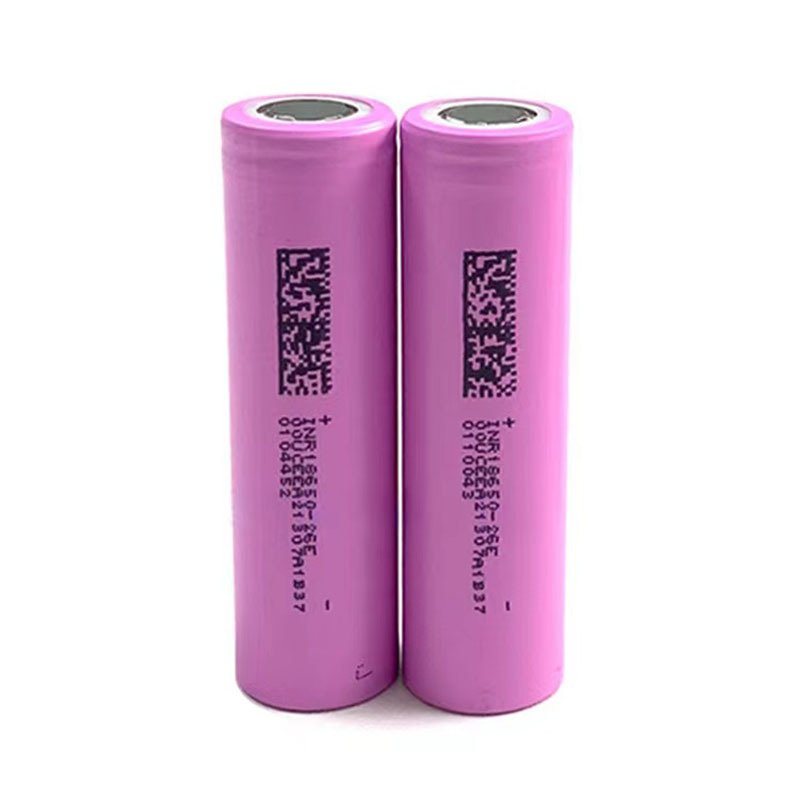
The Ultimate Guide to 18650 LFP Cylindrical Batteries for Power Tools
When it comes to powering modern cordless power tools, the shift from traditional Nickel-Cadmium (NiCd) or Nickel-Metal Hydride (NiMH) batteries to Lithium Iron Phosphate (LiFePO4 or LFP) 18650 cylindrical cells is no longer a trend—it is the industry standard. However, simply swapping chemistries is not enough. For B2B manufacturers and OEMs, the critical challenge lies in system integration, specifically ensuring seamless Battery Management System (BMS) compatibility.
This article dissects why 18650 LFP chemistry is superior for high-drain applications and provides a technical roadmap for solving BMS integration issues to guarantee performance and safety.
Why 18650 LFP is the Superior Choice for Power Tools
The 18650 cylindrical cell (18mm diameter, 65mm height) has long been the workhorse of the lithium industry. When combined with Lithium Iron Phosphate (LFP) chemistry, it creates a robust solution for the demanding environments of power tools.
1. Thermal Stability and Safety
Unlike standard Lithium-Ion (NMC or NCA) cells, LFP cells utilize an Olivine crystal structure. This provides exceptional thermal stability. For power tools that generate significant heat during operation, LFP cells are inherently safer, resisting thermal runaway even under extreme stress or overcharging.
2. Long Cycle Life
Power tools require batteries that last. Standard NMC cells typically offer 500-1,000 charge cycles. In contrast, high-quality LFP 18650 cells, such as those engineered by leading manufacturers, can achieve over 2,000 cycles while maintaining 80% capacity. This longevity translates directly to lower total cost of ownership for end-users.
3. High Discharge Rates
Modern drills and saws require high current. LFP chemistry allows for high continuous discharge rates (often 10C-15C or higher) without significant voltage sag, ensuring your tool delivers maximum torque until the battery is depleted.
Solving the BMS Compatibility Puzzle
While LFP cells offer superior safety, their voltage curve presents a unique integration challenge that must be addressed to “guarantee” performance.
The Voltage Curve Challenge
The fundamental difference between LFP and standard Lithium-Ion lies in their discharge profiles:
- Standard Li-ion (NMC/NCA): Operates at a nominal voltage of 3.6V–3.7V, with a full charge voltage of 4.2V. The voltage drops steadily as the battery discharges.
- LFP (LiFePO4): Operates at a nominal voltage of 3.2V, with a full charge voltage of 3.65V. Crucially, LFP has a very flat discharge curve. For 80-90% of its discharge cycle, the voltage remains stubbornly flat around 3.2V–3.3V.
Why Standard BMS Fails with LFP
Most standard BMS units are designed for the steep voltage slope of NMC batteries. They estimate the State of Charge (SoC) primarily by measuring voltage. With an LFP cell, the BMS sees a constant 3.2V and interprets this as “50% charged” for the majority of the tool’s runtime. When the flat curve finally ends, the voltage drops rapidly, causing the tool to shut off unexpectedly.
The Solution: Specialized BMS Integration
To guarantee accurate performance, you must pair your 18650 LFP cells with a BMS specifically programmed for LFP chemistry.
- Voltage Parameter Adjustment: The BMS high/low voltage cut-offs must be adjusted to 3.65V (max) and 2.5V–2.8V (min) respectively.
- Coulomb Counting: Relying solely on voltage is insufficient. A compatible BMS must utilize coulomb counting (measuring current in and out) in tandem with a customized LFP voltage lookup table to provide an accurate fuel gauge for the user.
Guaranteeing Performance: Key Specifications
To ensure your power tool meets international safety and performance standards, the selection of the 18650 cell must adhere to strict technical criteria. Below is a breakdown of the specifications required for a high-performance solution.
| Specification | Standard NMC 18650 | LFP 18650 (Recommended) | Technical Significance |
|---|---|---|---|
| Nominal Voltage | 3.6V – 3.7V | 3.2V | Requires specific BMS calibration to prevent misreading SoC. |
| Charge Voltage | 4.20V | 3.65V | Overcharging beyond 3.65V will damage LFP cells. |
| Cycle Life | 500 – 1,000 cycles | 2,000 – 3,000+ cycles | LFP offers double the lifespan, reducing warranty claims. |
| Max Continuous Discharge | 10A – 20A (Typical) | 20A – 30A+ (High Rate) | Essential for high-torque applications without overheating. |
| Thermal Runaway Temp | ~150°C – 200°C | > 270°C | LFP is significantly safer in high-temperature environments. |
Technical Integration for Global Markets
For B2B clients exporting power tools globally, compliance is not optional. Integrating 18650 LFP cells requires adherence to specific regional regulations to clear customs and meet retailer requirements.
1. UN38.3 Certification
Any lithium battery shipped by air or sea must pass the UN38.3 test. This simulates transport conditions (altitude, vibration, shock, and temperature extremes). When sourcing cells, ensure your supplier provides the UN38.3 test summary for the specific cell model.
2. PSE, KC, and UL Standards
Depending on your target market:
- Japan (PSE): Requires specific testing for Lithium batteries (METI Filing).
- South Korea (KC): Strict safety and EMC requirements.
- North America (UL): While UL 2580 covers EV batteries, general safety often references UL 1642 for the cells themselves.
3. Prop 65 (California)
If selling in California, ensure the battery pack is labeled correctly regarding chemical content.
Why Partner with a Leading Chinese Manufacturer?
Navigating the complexities of 18650 LFP integration requires a partner with deep R&D capabilities, not just a supplier of cells. A top-tier manufacturer provides the “guarantee” through rigorous quality control and technical support.
1. Automated Production Lines
Leading facilities utilize fully automated production lines to eliminate human error. This ensures consistent electrode coating and winding tension, which is critical for maintaining the high discharge rates required by power tools.
2. Advanced Quality Management
Look for manufacturers utilizing MES (Manufacturing Execution Systems) to track every single cell from raw material to shipment. This allows for full traceability in case of a field failure.
3. Customization Capabilities
Every power tool has a unique form factor. A reliable partner offers customization of:
- Cell Tabs: Different tab materials (Nickel, Aluminum, or Copper) and orientations.
- Laser Welding: For secure busbar connections.
- Sorting (Grading): Cells are sorted into strict voltage and internal resistance (IR) bins to ensure perfect matching within a pack.
Power Your Tools with CNS BATTERY
At CNS BATTERY, we understand that reliability in the field is paramount. As a leading lithium cylindrical battery manufacturer in China, we specialize in providing high-power solutions tailored for the global power tool industry.
We solve the BMS compatibility challenge at the source. Our 18650, 21700, and 32700 cylindrical battery cells are engineered with consistency and safety in mind. We offer comprehensive technical data sheets and direct engineering support to ensure your BMS integration is seamless, guaranteeing that your end product performs flawlessly.
Whether you need standard high-drain cells or a fully customized solution, our R&D team is ready to collaborate. We provide the cells, the certifications (UN38.3, MSDS), and the technical backup to get your product to market faster.
Ready to upgrade your power tool lineup with guaranteed performance?
Explore our full range of cylindrical battery solutions designed for high-drain applications or contact our engineering team today to discuss your specific BMS integration needs.