

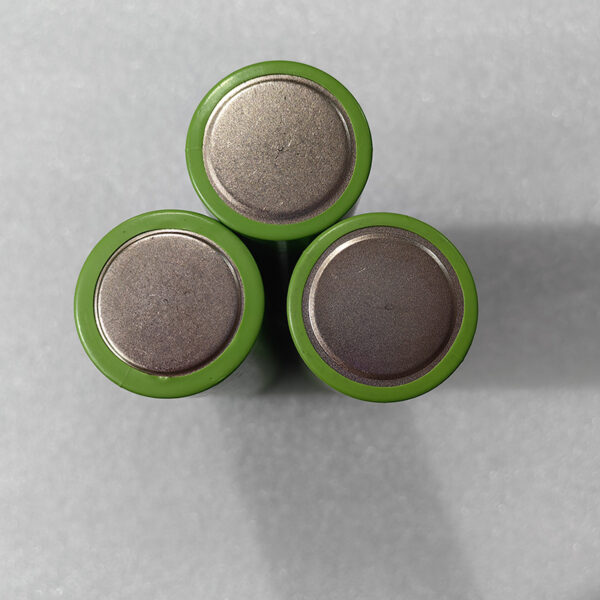
The Ultimate Guide to Sourcing High-Sustainability 18650 LFP Cells for E-Bikes
The global electric bicycle (E-bike) market is undergoing a massive shift. As governments tighten carbon regulations and consumers demand longer-lasting, safer rides, manufacturers are pivoting from traditional NMC (Nickel Manganese Cobalt) batteries to Lithium Iron Phosphate (LFP), specifically in the robust 18650 form factor. If you are an E-bike factory owner or a B2B procurement manager, sourcing Wholesale 18650 LFP Cells is no longer just about getting the cheapest price; it is about securing a supply chain that meets strict sustainability standards while delivering high performance.
This guide dives deep into the technical and commercial aspects of bulk 18650 LFP cells, providing you with the data and insights needed to make a strategic purchase for your factory.
Why 18650 LFP is the Future of E-Mobility
The “18650” designation refers to the physical dimensions of the cell: 18mm in diameter and 65mm in length. While this format has traditionally been dominated by high-energy NMC chemistry, the evolution of LFP (Lithium Iron Phosphate) technology has revitalized this standard.
For E-bike manufacturers, the switch to LFP offers three critical advantages that directly impact your carbon footprint and bottom line:
- Unmatched Thermal Stability: Unlike cobalt-based batteries, LFP cells are inherently safer. They do not release oxygen during thermal runaway, making them virtually non-flammable. This is a crucial compliance factor for export markets.
- Eco-Friendly Chemistry: LFP cells contain no heavy metals like cobalt or nickel. This makes them easier to recycle and significantly reduces the environmental toxicity of your product lifecycle.
- Extended Cycle Life: A standard NMC 18650 might last 500-800 cycles. A high-quality 18650 LFP Cell can achieve 2000 cycles or more. This longevity translates to a lower carbon footprint per kilometer ridden.
Technical Note: The voltage curve of LFP is flatter than NMC. While this means the voltage doesn’t drop as the battery depletes (providing consistent power), it also requires a Battery Management System (BMS) that is specifically calibrated for the 3.2V nominal voltage of LFP, rather than the 3.6V/3.7V of NMC.
Decoding Sustainability in Lithium Cells
When sourcing Wholesale 18650 LFP Cells, “sustainability” is often a marketing buzzword. However, for B2B clients, it needs to be a quantifiable metric, especially with the EU Battery Passport and Carbon Border Adjustment Mechanism (CBAM) on the horizon.
To ensure the cells you buy meet high sustainability standards, look for the following in your supplier:
- Raw Material Traceability: Can the manufacturer prove the iron and phosphate were sourced ethically? The absence of “conflict minerals” is a baseline requirement.
- Energy Source in Manufacturing: The energy used to produce the cell (often called “grey energy”) contributes significantly to the CO2 footprint. Factories utilizing renewable energy or grid-efficient production lines produce greener cells.
- Recyclability Design: A sustainable 18650 cell should be designed for disassembly. The steel casing of the 18650 is highly recyclable, and the internal chemistry of LFP allows for efficient material recovery.
Carbon Footprint Performance is becoming a currency in international trade. By choosing LFP, you are not only choosing safety but also a chemistry that is easier to certify under ISO 14067 standards.
Case Study: Retrofitting an E-Bike Fleet with LFP
To illustrate the practical benefits, let’s look at a hypothetical scenario involving a European E-bike sharing company, “UrbanRide.”
The Challenge:
UrbanRide was using standard 48V 14Ah NMC packs in their fleet. They faced high maintenance costs due to battery swelling and failures after just 18 months. Furthermore, their ESG (Environmental, Social, and Governance) report was flagged for high carbon emissions due to frequent battery replacements.
The Solution:
UrbanRide partnered with a manufacturer to switch to a custom 18650 LFP Cell solution. They utilized high-discharge LFP cells capable of handling the start-up torque of hub motors.
The Results:
After 24 months of operation:
- Failure Rate: Dropped from 15% to less than 2%.
- Range: While the initial range dropped by 10% due to lower energy density, the consistent voltage output meant the bikes performed at peak power until the very end of the charge.
- Carbon Footprint: By halving the number of batteries needed over a 4-year period, UrbanRide reduced their battery-related CO2 emissions by 40%.
This case highlights that while LFP has a slightly lower energy density (Wh/kg) than the latest NMC cells, its performance in real-world durability and safety makes it the superior choice for commercial E-bike applications.
Procurement Strategy: How to Buy Bulk 18650 Cells
Buying Wholesale 18650 LFP Cells requires a different checklist than buying consumer goods. As a factory-direct buyer, you need to vet the manufacturer’s capability, not just the product sheet.
Here is a comparison of key factors to consider when evaluating a supplier:
| Factor | Why It Matters | What to Ask the Supplier |
|---|---|---|
| Consistency | Poorly sorted cells lead to “cell divergence,” where one weak cell kills the whole pack. | “Do you sort cells by capacity and internal resistance (IR) before shipment?” |
| High-Temp Performance | E-bikes often operate in hot conditions. LFP usually outperforms NMC here. | “Can you provide data on cycle life at 45°C and 60°C?” |
| Customization | Off-the-shelf might not fit your frame. | “Can you modify the Positive Temperature Coefficient (PTC) disc or tab welding for my specific pack design?” |
| Compliance | Market access depends on it. | “Do you have UN38.3, MSDS, and IEC 62133 certification for these cells?” |
When you move into bulk purchasing, the price per amp-hour (Ah) becomes the key metric. Do not get distracted by the total voltage of the pack; focus on the cost per watt-hour.
Why Choose CNS Battery for Your E-Bike Supply Chain
Finding a reliable partner for Wholesale 18650 LFP Cells is critical. At CNS Battery, we understand that E-bike factories need more than just cells; they need a partner that guarantees high sustainability and performance.
We are not just a manufacturer; we are a solution provider. Our 18650 LFP Cells are engineered for the rigors of E-mobility, offering high discharge rates and excellent thermal management. We utilize automated production lines to ensure every cell meets the strictest quality management standards, ensuring the carbon footprint of our manufacturing process is minimized.
We offer comprehensive support for global customers, helping you navigate the technical specifications required for your specific market.
If you are ready to upgrade your E-bike line with high-sustainability, factory-direct 18650 LFP technology, we invite you to explore our product range and contact our team for a bulk quotation.
Explore our Cylindrical Battery Cell range for detailed specifications.
Product Link: Cylindrical Battery Cells
Contact our sales engineers today to discuss your custom requirements.
Contact Us: Get a Quote
For more information on becoming a distinguished global customer, visit our manufacturer page.
Battery Manufacturer in China


