Top 5 Fast Charging Without Heat Problems with 33140 Cells in Battery Pack Applications & Solutions 2026 Buyer’s Guide
In the rapidly evolving landscape of energy storage and electric mobility, the demand for batteries that combine high capacity with rapid charging capabilities has never been greater. However, a persistent challenge for Battery Pack Manufacturers, especially those utilizing large-format cylindrical cells, is managing thermal runaway and heat dissipation during high-current charging cycles. As we move into 2026, the industry is shifting its focus from merely “high capacity” to “high capacity with thermal stability.”
This guide serves as a critical resource for B2B buyers, engineers, and OEMs. We will dissect the top 5 strategies to achieve fast charging without heat problems using the high-density 33140 cylindrical cell format. We will also explore the specific application scenarios where these cells excel and how partnering with a reliable Chinese battery manufacturer can mitigate these thermal risks.
🧊 The Thermal Challenge of Fast Charging Large-Format Cylindrical Cells
Before diving into the solutions, it is essential to understand the physics behind the heat. The 33140 lithium iron phosphate (LiFePO4) cell is a powerhouse, typically offering a nominal capacity of 6.0Ah to 7.0Ah with a nominal voltage of 3.2V. While this provides immense energy density in a compact footprint, the internal resistance (IR) of the cell generates heat proportional to the square of the charging current ($P = I^2R$).
When charging at high C-rates to achieve “fast charging,” the heat generated internally must be dissipated faster than it is produced. If not managed correctly, this leads to:
- Accelerated Degradation: High temperatures (>45°C) during charge cycles reduce the cycle life of the battery pack.
- Safety Hazards: Thermal runaway risks increase if the Battery Management System (BMS) fails to regulate the temperature.
- Performance Throttling: Many BMS systems will reduce the charge current automatically if temperatures exceed thresholds, negating the “fast charge” benefit.
Therefore, the solution lies not just in the cell chemistry but in the system-level design.
📋 Top 5 Fast Charging Without Heat Problems with 33140 Cells
To harness the full potential of the 33140 format without thermal penalties, engineers must adopt a holistic approach. Here are the top 5 solutions currently defining the 2026 market standards.
1. Optimized Tab Design and Cell Internal Structure
The foundation of thermal management starts at the cell level. Standard 33140 cells often feature a single-tab design, which can create “hot spots” during high-current charging.
2. Advanced Phase-Change Material (PCM) Integration
Traditional air-cooling methods are often insufficient for the heat density of 33140 packs.
- The Solution: Integrating Phase-Change Materials (PCMs) around the cylindrical cells. These materials absorb latent heat as they change from solid to liquid state, acting as a thermal buffer. In a 33140 battery pack, placing PCM sheets between the cells can absorb the peak heat generated during the first 30 minutes of fast charging, preventing the core temperature from spiking and allowing the external cooling system to catch up.
3. Liquid-Cooled Cold Plate Architecture
For industrial and EV applications, passive cooling is rarely enough.
- The Solution: Implementing a Direct-Contact Liquid Cooling System. Instead of cooling the outer casing of the battery box, this design routes coolant channels directly beneath or between the cell modules. For cylindrical cells, this often involves embedding the cells in thermally conductive adhesive that transfers heat directly to an aluminum cold plate. This method is 3-5 times more efficient at heat transfer than air cooling, enabling sustained 2C or 3C fast charging without thermal throttling.
4. Smart BMS with Dynamic Charging Algorithms
Hardware alone cannot solve the problem; software intelligence is key.
- The Solution: Deploying a Thermally-Aware BMS Algorithm. A sophisticated BMS doesn’t just monitor voltage; it monitors temperature gradients across the pack. By using predictive algorithms, the BMS can dynamically adjust the charge current. For example, if the core cells are hotter than the edge cells, the BMS can reduce the current slightly until the temperature equalizes, ensuring the pack charges as fast as thermally possible without exceeding safety limits.
5. Efficient Module Layout (Reducing Dead Volume)
The way cells are arranged impacts airflow and heat dissipation.
- The Solution: Adopting a Laminar Flow or Honeycomb Layout. Traditional packs often bundle cells tightly together, trapping heat in the center. By slightly increasing the spacing between 33140 cells and using insulating spacers that channel airflow (or liquid flow), engineers can create “thermal highways.” This layout ensures that the high energy density of the 33140 does not come at the cost of a “thermal blanket” effect within the module.
💼 33140 Battery Pack Applications & Solutions
The 33140 format is not a one-size-fits-all solution; it is specifically engineered for high-drain, high-capacity environments. Based on the top 5 thermal solutions above, here are the primary application scenarios where this cell format dominates in 2026.
Industrial Energy Storage Systems (ESS)
For commercial and residential backup power, the 33140 cell is the gold standard. Its high capacity (6000mAh+) means fewer cells are needed to achieve a 10kWh or 20kWh system, reducing the Bill of Materials (BOM) cost.
- Thermal Context: In stationary storage, space for liquid cooling is limited. Therefore, Solution #2 (PCM) is most critical here. The slow discharge and charge cycles typical of ESS benefit greatly from the thermal buffering of PCMs to maintain a stable internal environment.
High-Power Electric Vehicles (E-Bikes & Scooters)
The electric two-wheeler market is booming, and the 33140 is replacing older 21700 and 32650 formats due to its superior energy-to-volume ratio.
- Thermal Context: In E-bikes, space is premium, and heat is generated from both the motor and the battery. Solution #5 (Efficient Layout) is vital. By arranging 33140 cells in a way that maximizes surface contact with the frame (which acts as a heatsink), manufacturers can achieve fast charging (0-80% in under 30 minutes) without dangerous heat buildup.
Medical and Backup Power Supplies
Hospitals and data centers require UPS systems that are both compact and reliable.
- Thermal Context: Reliability is paramount. Solution #4 (Smart BMS) is non-negotiable. The ability to predict and prevent thermal events ensures that critical medical equipment or servers remain online during a power outage, even if the battery is being rapidly recharged between outages.
🇨🇳 Why Choose a Chinese Battery Manufacturer for 33140 Solutions?
Sourcing high-quality 33140 cells requires a partner who understands both the cell chemistry and the system integration challenges. China remains the global hub for lithium battery innovation, offering the most competitive pricing and the deepest technical expertise.
When evaluating a Battery Manufacturer in China, look for these specific capabilities:
- Vertical Integration: The best manufacturers control the entire process, from the cylindrical cell production to the final module assembly. This ensures that the cells are tested not just as individual units, but as part of a thermal system.
- Customization: Off-the-shelf cells often don’t fit unique thermal designs. A top-tier manufacturer should offer customization on the Positive Temperature Coefficient (PTC) connectors, tab configurations (as mentioned in Solution 1), and even the electrolyte formula to optimize low-temperature charging performance.
- Quality Management: Given the risks of thermal runaway, ISO-certified production lines and 100% aging tests are mandatory.
🏆 Fast Charging Without Heat Problems with 33140 Cells: CNS BATTERY Capabilities
At CNS BATTERY, we understand that the 33140 cell is the future of high-density energy storage. We are not just a cell supplier; we are a solutions provider dedicated to solving the thermal challenges of fast charging.
1. Advanced 33140 Cell Technology
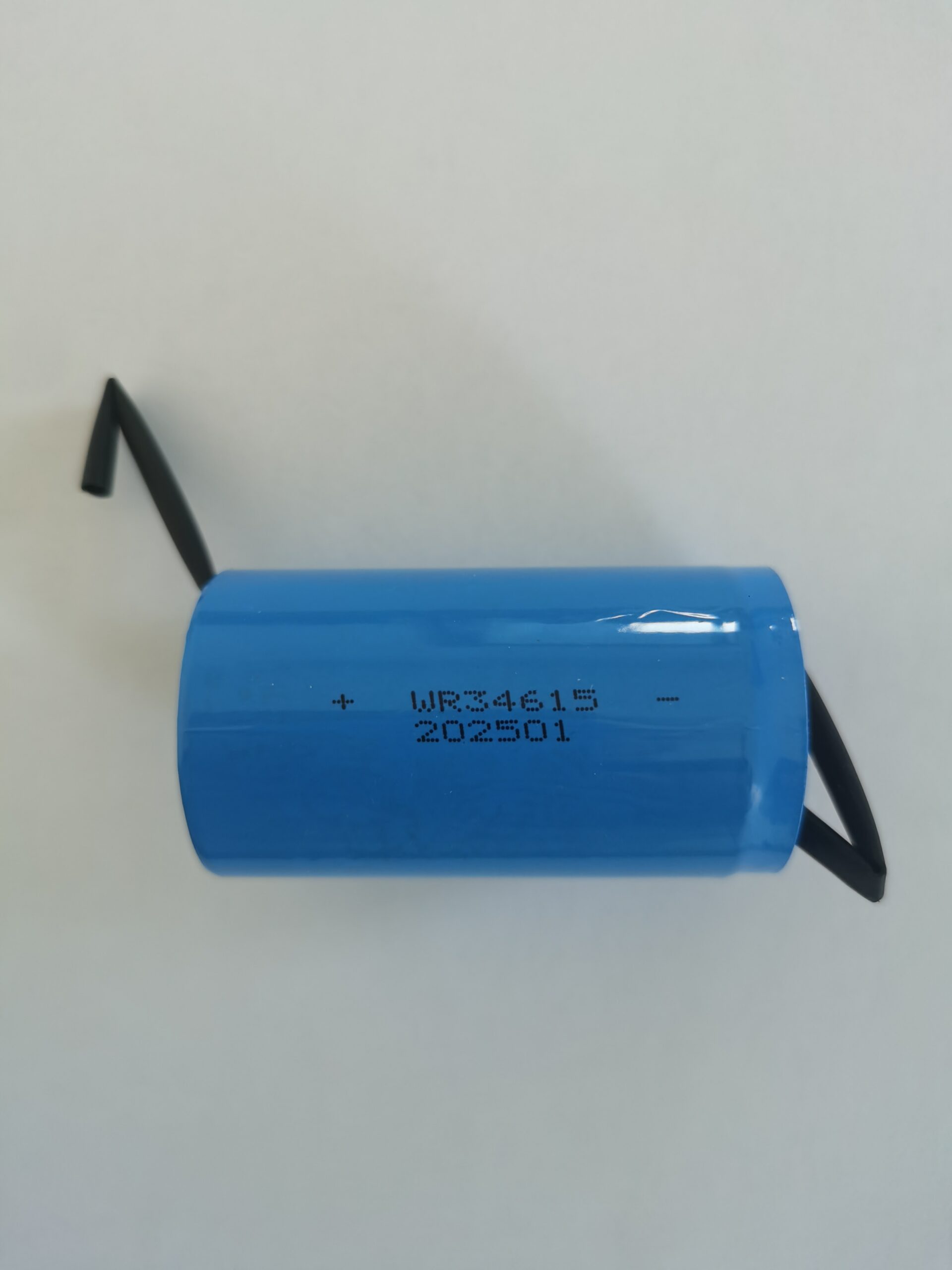
Our IFR32700-6000 cell (a close variant and industry standard often grouped with 33140 discussions) is engineered for excellence. We utilize a proprietary electrode formulation that reduces internal resistance, directly addressing the root cause of heat generation. This cell is designed for high-energy reserve applications, including EVs, Energy Storage Systems (ESS), and high-power UPS systems. With a nominal capacity of 6.0Ah and a nominal voltage of 3.2V, our cells provide the power density you need with the thermal stability you require.
2. Customizable Solutions
We recognize that every battery pack application is unique. Whether you need a specific tab design to reduce impedance or a customized casing for liquid cooling integration, our R&D team works with you to deliver a product that fits your thermal management strategy perfectly. We don’t just sell cells; we help you build a better battery pack.
3. Global Quality Standards
Based in Zhengzhou, China, CNS BATTERY adheres to the strictest international quality management standards. Our automated production lines ensure consistency, and our rigorous testing protocols guarantee that every cell shipped is capable of handling the demands of fast charging without compromising safety.
If you are ready to implement the top 5 fast charging solutions with 33140 cells in your next project, contact CNS BATTERY today. Explore our comprehensive range of Cylindrical Battery Cells designed for high performance and safety.
For more information on our capabilities and to discuss your specific project requirements, visit our product center or contact our sales team directly.
- Explore Our Product Range: Cylindrical Battery Cell Products
- Contact Our Experts: Contact CNS BATTERY
- Learn About Our Manufacturing: Battery Manufacturers in China