
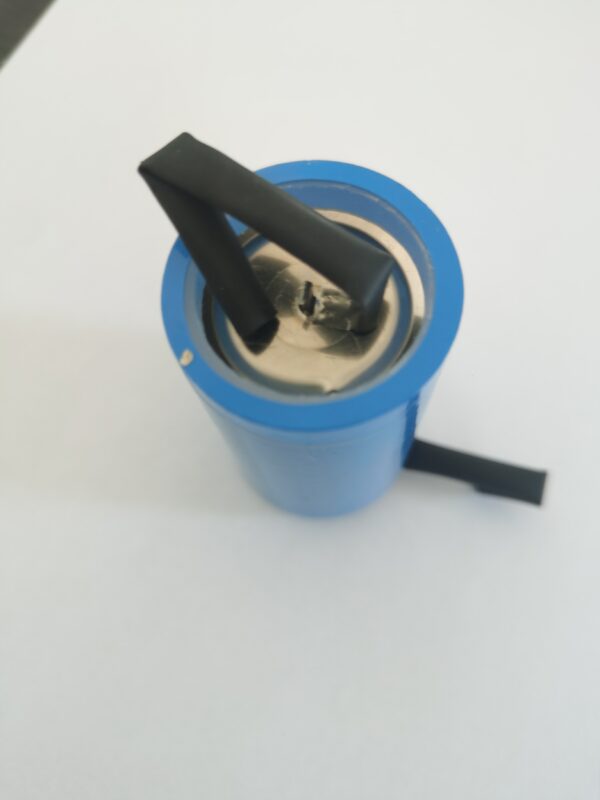
Li-SO₂ vs Li-S: The Ultimate Guide to Ambulance Emergency Equipment Batteries
In the high-stakes environment of emergency medical services (EMS), every second counts. While ambulances are equipped with robust chassis batteries, the specialized medical equipment onboard—defibrillators, monitors, infusion pumps, and portable suction units—requires a power source that is not only reliable but also capable of performing in the most unpredictable conditions. This is where Lithium Primary Batteries (non-rechargeable lithium metal batteries) step in as the silent heroes of the rescue mission.
Unlike standard consumer batteries, medical equipment in ambulances often relies on primary lithium batteries for their “memory-less” characteristics, wide operating temperature range, and unmatched shelf life. However, choosing the wrong chemistry can lead to catastrophic equipment failure during a critical moment. This guide will dissect the two dominant chemistries for this sector: Lithium-Thionyl Chloride (Li-SOCl₂) and Lithium-Sulfur Dioxide (Li-SO₂). We will analyze their performance in life-saving scenarios and guide you toward the optimal solution for your fleet.
The Critical Role of Primary Lithium Batteries in EMS
Ambulance equipment faces a unique set of challenges that standard alkaline or even lithium-ion batteries cannot always overcome. The equipment must remain dormant for months or even years (in the case of backup systems) and then function at 100% capacity instantly. Furthermore, ambulances operate in extreme climates, from the freezing winters of Canada to the scorching summers of the Middle East.
Primary lithium batteries are the industry standard for these applications because they offer:
- High Energy Density: Providing long run-times in compact sizes.
- Wide Temperature Tolerance: Functioning reliably from -55°C to +85°C, depending on the chemistry.
- Low Self-Discharge: Retaining up to 95% of their charge after 10 years, ensuring readiness.
- Lightweight: Critical for portable “fly-away” medical kits.
When selecting the right battery, the choice usually boils down to voltage stability versus pulse power capability. This decision separates the application needs of a GPS tracker from a life-support ventilator.
Lithium-Thionyl Chloride (Li-SOCl₂): The Long-Haul Sentinel
If your primary concern is longevity and low-power monitoring, Lithium-Thionyl Chloride is often the go-to choice. This chemistry is renowned for having the highest specific energy of any battery system currently available.
Key Characteristics
- Nominal Voltage: 3.6V
- Passivation Effect: A unique characteristic where a film forms on the lithium anode when not in use, preventing self-discharge but causing a voltage delay when a load is first applied.
- Temperature Range: -55°C to +85°C (with special cells reaching +125°C).
Applications in Ambulance Equipment
Li-SOCl₂ batteries are the backbone of “set-and-forget” systems. They are ideal for:
- GPS Tracking Units: Monitoring the ambulance location 24/7.
- Memory Backup Systems: Ensuring patient data and system settings are never lost.
- Low-Power Sensors: Monitoring equipment status or environmental conditions inside the vehicle.
The “Voltage Delay” Challenge
While excellent for constant low-drain devices, Li-SOCl₂ suffers from a “voltage delay” when a high load is applied. The passivation layer must dissolve before the battery can deliver full power. This makes them less suitable for devices requiring immediate high current, such as defibrillators, without complex battery management systems to mitigate the voltage drop.
Lithium-Sulfur Dioxide (Li-SO₂): The High-Power Responder
When the situation turns critical, Lithium-Sulfur Dioxide batteries are the preferred choice. These batteries are designed for high-rate discharge and excel in extreme cold.
Key Characteristics
- Nominal Voltage: 3.0V
- High Pulse Power: Capable of delivering very high current pulses immediately.
- Cold Weather Performance: Maintains voltage stability even at -40°C, outperforming most other chemistries in freezing conditions.
Applications in Ambulance Equipment
Li-SO₂ batteries are the power source for life-critical, high-drain devices:
- Defibrillators: Require an immediate high-energy pulse to restart the heart.
- Portable Ventilators: Need consistent high power to function during transport.
- High-Intensity Surgical Lights: Used during emergency field procedures.
The Pressure Factor
One of the defining features of Li-SO₂ chemistry is that it is a gas-generating system. The sulfur dioxide is stored as a liquid under pressure. As the battery discharges, gas is generated, increasing internal pressure. This requires robust battery design and venting mechanisms to ensure safety. Additionally, because of the pressure build-up, these batteries are generally not recommended for long-term storage in a fully discharged state.
Comparative Analysis: Making the Right Choice
To simplify the decision-making process for ambulance fleet managers and medical device OEMs, here is a direct comparison of the two chemistries:
| Feature | Lithium-Thionyl Chloride (Li-SOCl₂) | Lithium-Sulfur Dioxide (Li-SO₂) |
|---|---|---|
| Best For | Long-term memory backup, tracking | High-drain life support, defibrillators |
| Voltage | 3.6V (Stable) | 3.0V (High Pulse) |
| Cold Weather | Good (-55°C) | Excellent (-40°C to -60°C) |
| Self-Discharge | Extremely Low (<1% per year) | Low (Slightly higher than Li-SOCl₂) |
| Main Limitation | Voltage delay on initial load | Internal pressure build-up |
The Verdict: If your equipment draws power gradually over years (like a tracker), choose Li-SOCl₂. If your equipment needs to save a life instantly with a high-power burst (like a defibrillator), choose Li-SO₂.
Why CNS BATTERY is the Trusted Partner for Medical Emergency Power
Selecting the right chemistry is just the first step. For B2B clients and OEMs in the medical sector, partnering with a manufacturer that understands the nuances of primary lithium battery technology is paramount. At CNS BATTERY, we don’t just sell cells; we engineer power solutions for critical infrastructure.
Rigorous Quality Management
Our production facilities in Zhengzhou, China, adhere to the strictest international quality standards. Every battery undergoes 24+ inspection points to ensure zero defects. In the medical field, a single battery failure is one too many, which is why our Quality Management System is ISO 13485 compliant, ensuring every cell meets the rigorous demands of medical device manufacturing.
Advanced Manufacturing for Extreme Reliability
We utilize automated assembly lines and laser welding technology to ensure the hermetic sealing of our batteries. This is especially critical for Li-SO₂ batteries to manage internal pressure safely and for Li-SOCl₂ batteries to prevent moisture ingress, which can cause catastrophic failure.
Customization for Your Specific Device
Off-the-shelf batteries rarely fit the ergonomic and electrical requirements of specialized medical gear. Our R&D team works closely with clients to customize:
- Battery Packs: Tailored sizes and shapes to fit specific device housings.
- PTC Devices: Integrated safety devices to prevent short circuits.
- Connectors: Specific terminal types for seamless integration.
Powering the Future of Emergency Response
In conclusion, the choice between Li-SO₂ and Li-SOCl₂ is not about which is “better” overall, but which is better suited for the specific application within the ambulance. Understanding the pulse power needs versus the long-term standby requirements is the key to ensuring your equipment never fails when called upon.
As a global leader in primary lithium technology, CNS BATTERY is committed to providing EMS providers and medical device manufacturers with the most reliable power sources on the market. Our expertise in both chemistries allows us to offer tailored solutions that meet the exacting standards of the healthcare industry.
For B2B inquiries, technical datasheets, or customized power solutions for your medical equipment, contact our sales team today to ensure your emergency response systems are powered by the best.
Contact CNS BATTERY for your Primary Lithium Battery needs today:
Contact Us Now
Explore our full range of Primary Battery Solutions:
View Product Range
