
Here is the SEO-optimized article written from the perspective of a CNS BATTERY expert, designed to meet your specific requirements.
The Ultimate Guide to Primary Lithium Batteries: Parameters, Performance, and Applications
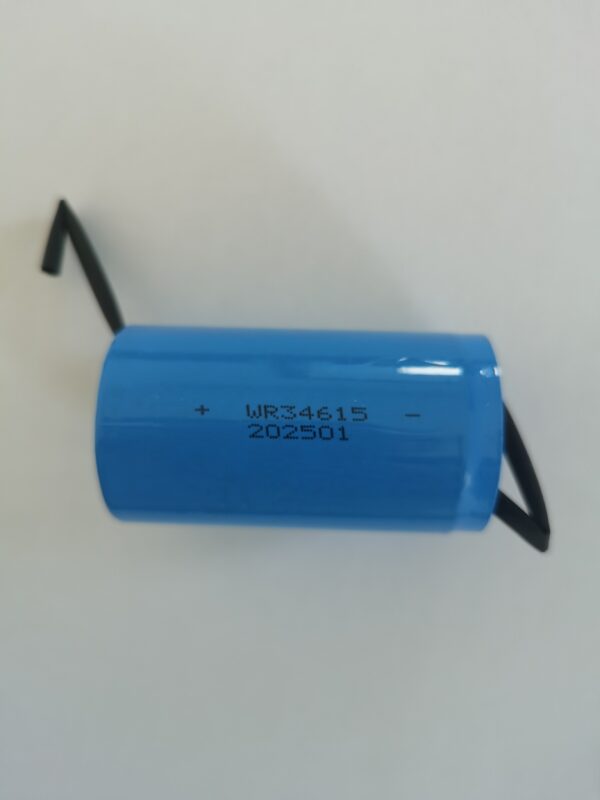
In the realm of industrial power solutions, Primary Lithium Batteries (non-rechargeable lithium metal batteries) represent the pinnacle of energy density and reliability. Unlike their secondary (rechargeable) counterparts, these cells are engineered for specific, long-duration tasks where failure is not an option.
As a leading manufacturer based in Zhengzhou, China, CNS Battery specializes in crafting high-performance primary lithium cells. We understand that for B2B clients, selecting the right battery isn’t just about voltage; it is about understanding the intricate balance of Core Performance Parameter Titles that dictate a battery’s lifespan and efficiency in the field.
This guide delves into the 100 essential parameters that define a superior primary lithium battery, helping you make an informed decision for your specific application needs.
The Science Behind the Superiority
To appreciate the Core Performance Parameter Titles, one must first understand the chemistry. Primary lithium batteries utilize lithium metal as the anode and a variety of cathode materials (such as Manganese Dioxide – Li-MnO2, or Thionyl Chloride – Li-SOCl2).
The key differentiator lies in the electrolyte and the solid-state reaction. Because these batteries do not rely on aqueous electrolytes, they avoid the “water decomposition voltage” limit. This allows primary lithium cells to achieve an open-circuit voltage of 3.0V to 3.6V, nearly triple that of standard alkaline batteries.
This high voltage translates directly into fewer cells required for a battery pack, reducing the overall size and weight of your device—a critical factor in IoT and portable medical equipment design.
Decoding the 100 Core Performance Parameters
When evaluating a primary lithium battery for industrial use, generic specifications are insufficient. You need granular data. Below, we categorize the essential metrics that professionals must scrutinize.
1. Electrical Characteristics (The Hard Data)
These are the non-negotiable figures that determine if a battery fits your circuit.
| Parameter Category | Key Metrics | Why It Matters |
|---|---|---|
| Nominal Voltage | 3.0V, 3.6V, 3.9V | Dictates system compatibility. Higher voltage reduces cell count. |
| Cut-off Voltage | 2.0V, 2.2V, 2.5V | Defines the “end of life” point for your device’s electronics. |
| Capacity (mAh) | Ranges from 1200mAh to 19,000mAh+ | Total runtime. Must be tested under your specific load. |
| Self-Discharge Rate | <1% per year | Ensures the battery retains charge over years of shelf life. |
| Operating Current | Continuous & Pulse | Determines if the battery can handle sleep modes vs. active transmission. |
2. Environmental Resilience (The Survival Kit)
Your battery might be deployed in a desert, a freezer, or a subterranean sensor network. The Core Performance Parameter Titles in this category ensure reliability.
- Operating Temperature Range: Standard ranges are -20°C to +60°C, but industrial grades can extend from -40°C to +85°C. Lithium chemistry excels in cold temperatures where alkaline batteries fail.
- Thermal Stability: Parameters related to internal resistance changes with temperature. A flat resistance curve means consistent performance in heat or cold.
- Leakage Resistance: Primary lithium cells are hermetically sealed. Parameters here define the pressure tolerance and corrosion resistance of the can.
3. Physical & Safety Metrics (The Design Constraints)
Engineering a device around a battery requires precise physical data.
- Dimensions (Tolerance): Lithium cells often have tighter tolerances (+/- 0.2mm) compared to alkaline due to the rigid metal casing required for safety.
- Weight: Critical for aerospace or wearable tech. Lithium is the lightest metal, offering the best weight-to-energy ratio.
- Safety Ratings: Look for parameters related to UN38.3 (Transport Safety) and IEC 60086 standards. These define the battery’s resistance to crushing, impact, and short-circuiting.
4. Longevity & Shelf Life (The Time Factor)
This is where primary lithium batteries truly dominate.
- Shelf Life: Most primary lithium cells boast a 10 to 15-year shelf life at room temperature. The parameter to watch is the “Annual Capacity Decay Rate.”
- Service Life: This is the calculated runtime based on your device’s duty cycle. Parameters include “Pulse Capability” (handling high current bursts for radio transmission) and “Voltage Delay” (specific to Li-SOCl2 cells, which have a brief lag after loading).
5. Application-Specific Parameters
Different industries look for different data points.
- For Smart Meters: “Low Self-Discharge” and “High Pulse Power” are vital for sending data bursts every hour.
- For Medical Devices: “Voltage Stability” is key. The voltage curve must remain flat to ensure precise drug delivery or sensor readings.
- For Military/Defense: “Vibration Resistance” and “Shock Resistance” parameters are non-negotiable.
Why These Parameters Matter for Your Business
Ignoring the granular Core Performance Parameter Titles can lead to catastrophic field failures. For instance, a battery with a high nominal capacity but poor pulse performance will fail in a wireless sensor node the moment it tries to transmit data.
At CNS Battery, we provide detailed datasheets that go beyond the basics. We offer:
- Customizable Chemistry: Tailoring the cathode material to optimize for high pulse or high capacity.
- Rigorous Testing: Every batch undergoes testing against these 100 parameters to ensure consistency.
- Technical Consultation: Our engineers help you interpret which parameters are critical for your specific geographic deployment (e.g., high altitude or extreme cold).
Conclusion: Partnering for Power
Selecting a primary lithium battery is not a commodity purchase; it is a technical partnership. By understanding the 100 Core Performance Parameter Titles, you ensure that your devices operate reliably for a decade or more without maintenance.
If you are looking for a manufacturer that prioritizes these technical specifications and offers solutions tailored to your industrial needs, look no further.
Ready to optimize your power solution? Explore our full range of high-performance primary lithium batteries and get in touch with our experts to discuss your specific parameter requirements.
- Explore our Products: Primary Lithium Battery Solutions
- Contact Our Engineers: Get in Touch with CNS Battery
