Here is the SEO-optimized article tailored for a professional engineering and technical procurement audience.
The Ultimate Guide to Selecting Cylindrical Battery Cells for Security Systems
In the world of electronic security, power failure is not an option. Whether it is a surveillance camera monitoring a remote perimeter, a biometric access control pad, or a wireless alarm sensor, the reliability of the system hinges entirely on the performance of its energy storage. As a professional in the security hardware industry, you understand that standard alkaline batteries or generic lithium packs simply cannot meet the demands of 24/7 operation, extreme temperature fluctuations, or high discharge rates required by modern security protocols.
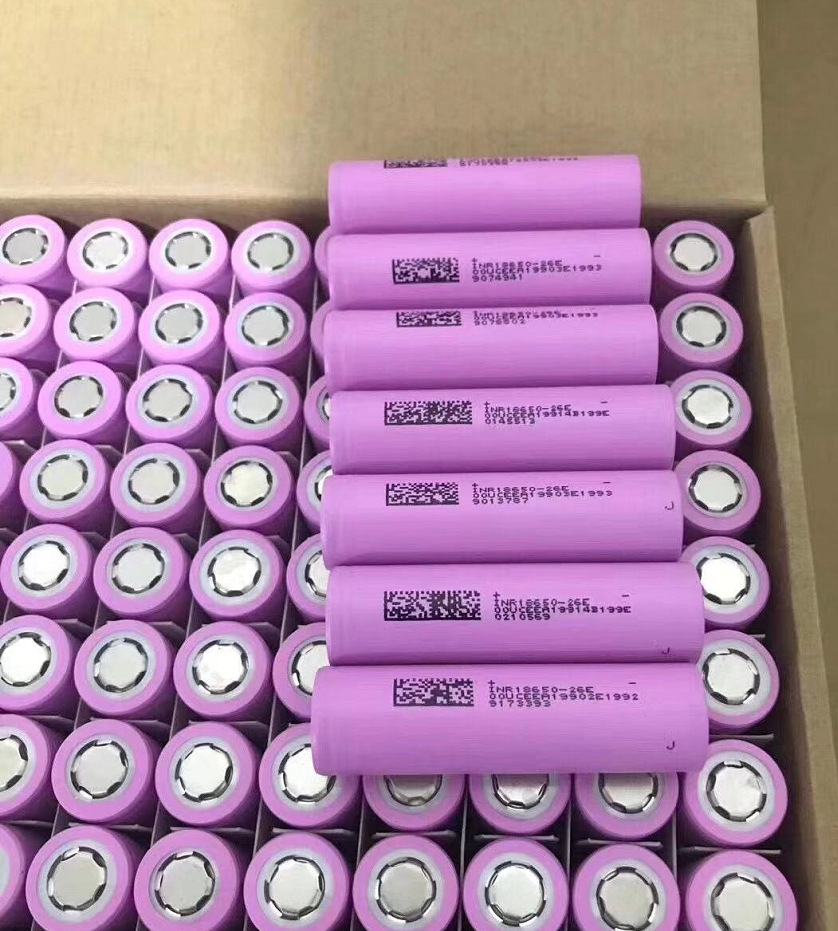
This is where high-performance Cylindrical Battery Cells become the unsung heroes of the security sector. Unlike consumer-grade power sources, industrial cylindrical cells offer the energy density, cycle life, and thermal stability required for mission-critical applications. In this guide, we will dissect the technical parameters you must consider when selecting cells for security equipment and how partnering with a specialized manufacturer ensures system integrity.
Why Cylindrical Cells are the Standard for Industrial Security
When designing or sourcing power solutions for security hardware, engineers often debate between cylindrical, prismatic, and pouch cells. For rugged, high-reliability applications, cylindrical cells remain the gold standard for three primary reasons:
- Mechanical Robustness: The steel or aluminum casing of a cylindrical cell provides superior structural integrity. In security devices deployed in harsh outdoor environments (exposed to rain, dust, or physical impact), this robustness prevents cell deformation and internal short circuits.
- Thermal Management: Security systems often generate heat during continuous operation. The cylindrical geometry allows for efficient heat dissipation along the cell’s length, preventing thermal runaway—a critical safety factor.
- Manufacturing Consistency: Cylindrical cells (such as the 18650, 21700, or 32700 formats) are produced using highly automated processes, resulting in tighter tolerances for capacity and internal resistance. This consistency is vital when assembling battery packs with multiple cells in series or parallel.
Technical Parameters for Security Applications
Selecting the wrong cell chemistry can lead to catastrophic system failure. For security equipment, two specific chemistries are most relevant: INR (Nickel Manganese Cobalt Oxide) and IFR (Lithium Iron Phosphate).
1. High-Drain Applications (Cameras, Searchlights, Alarms)
If your equipment requires bursts of high power—such as activating an alarm siren, powering a high-lumen security spotlight, or running a motorized PTZ (Pan-Tilt-Zoom) camera mechanism—you need a Power Cell.
- Key Metric: Discharge Rate (C-Rating).
- Recommendation: Look for INR 21700 or 18650 cells. These chemistries offer a balance of high energy density and high discharge capability.
- Example: The CNS INR18650-3000 model supports a continuous discharge current of 20A. This allows a security flashlight or alarm system to operate at maximum brightness or volume without voltage sag, ensuring the device functions exactly when needed.
2. Long-Duration & High-Temperature Environments (Sensors, Wireless Keypads)
For wireless door sensors, motion detectors, or access control keypads that must run for years on a single charge, Energy Cells or IFR cells are ideal.
- Key Metric: Cycle Life and Temperature Tolerance.
- Recommendation: IFR 32700 or INR 18650.
- Example: The IFR32700-6000 cell offers a massive 6000mAh capacity in a single unit. For a wireless sensor network, this means fewer cells are needed in the battery pack, reducing the overall size of the device while extending the operational life between maintenance cycles. Furthermore, Lithium Iron Phosphate (IFR) chemistry is renowned for its stability in high-temperature environments, a common scenario for devices mounted on exterior walls facing direct sunlight.
The “Hidden” Challenge: Battery Management Systems (BMS)
A cylindrical cell is only as good as the Battery Management System (BMS) protecting it. In security systems, where tampering or environmental stress is a concern, the BMS acts as the guardian.
- Short Circuit Protection: Essential for outdoor cameras that may suffer wiring faults due to weather.
- Over-Charge/Discharge Protection: Prevents the battery from degrading if the security system is left plugged in for extended periods or runs down completely during a power outage.
- Cell Balancing: When multiple cylindrical cells are stacked in a pack, balancing ensures that one weak cell does not drag down the entire system. This is crucial for maintaining the “always-on” status of a security network.
Partnering with a Manufacturer vs. Buying Off-the-Shelf
As a technical buyer, you might be tempted to purchase generic cells from a distributor. However, for Original Equipment Manufacturers (OEMs) of security hardware, this approach carries significant risk.
Generic cells often lack the rigorous quality control needed for industrial use. More importantly, they do not offer customization. Every security device has a unique form factor and power curve.
This is where working directly with a manufacturer like CNS BATTERY becomes a strategic advantage. By collaborating with a factory that specializes in cylindrical cells, security equipment designers can access:
- Customized Dimensions: While standard sizes (18650, 21700) are common, some compact security devices require specific modifications. Manufacturers can adjust the length or diameter within technical limits.
- Tailored Discharge Profiles: Security systems have specific voltage requirements. A manufacturer can tune the cell’s internal resistance and chemistry blend to match the exact power draw of your device.
- Custom Protection Circuits: The BMS can be programmed with specific thresholds relevant to your security protocol, such as low-voltage warnings that trigger a “safe shutdown” to preserve memory logs.
Conclusion: Building Trust Through Power
Selecting the right cylindrical cell is not just about choosing a component; it is about engineering reliability into your security solution. By prioritizing cells with high discharge rates for active systems and high capacity for passive sensors, you ensure that your security hardware performs flawlessly in the field.
If you are currently developing a security product or looking to upgrade your existing power supply, do not settle for generic solutions. Evaluate the performance metrics discussed here and consider how a specialized cylindrical cell can enhance your device’s longevity and safety.
Ready to find the perfect cylindrical battery solution for your security application? Explore our full range of high-performance cells and discover how our engineering team can support your specific requirements.
Explore Cylindrical Battery Cell Solutions for Security Equipment
Need a custom solution? Contact our technical team today to discuss your project specifications.
Contact CNS BATTERY for Technical Consultation
About the Author:
This article was written by a senior technical consultant specializing in Lithium-ion battery applications for the security and IoT industries. With over a decade of experience in R&D and supply chain management, the author provides insights based on first-hand testing and deployment of energy storage solutions in harsh environments.
Additional Resources: