

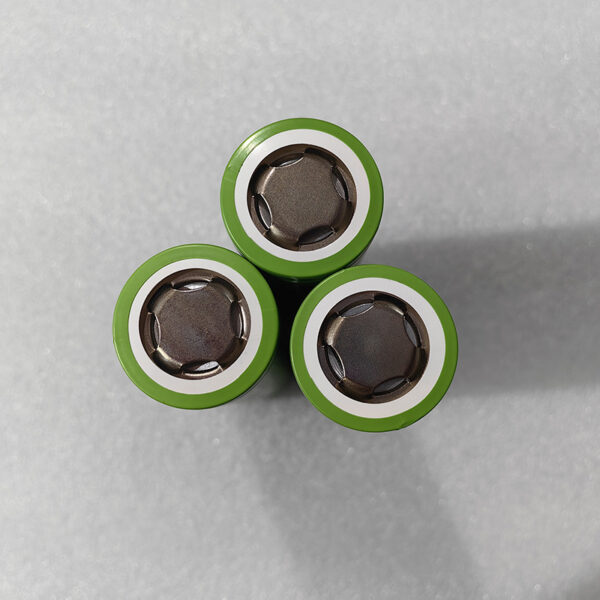
18650 Battery Cell For Snow Blower: The Ultimate Guide For Reliable Winter Power
When the temperature drops and the snow begins to pile up, the last thing you want is for your cordless snow blower to lose power. For engineers, OEM manufacturers, and B2B procurement specialists in the outdoor power equipment industry, selecting the right 18650 battery cell is not just about energy; it is about survival in extreme cold and consistent performance under load.
While standard lithium-ion cells often struggle with reduced capacity and potential damage in sub-zero conditions, a specialized 18650 battery cell for snow blower applications requires specific chemical formulations and structural integrity. In this guide, we will dissect the technical requirements of these cells and explore how high-performance cylindrical batteries meet the demands of winter machinery.
Why Standard 18650 Cells Fail in Snow Blowers
Before diving into the solution, it is crucial to understand the enemy: Low Temperature Kinetics.
Most consumer-grade 18650 cells use standard Lithium Cobalt Oxide (LiCoO2) or general-purpose NMC (Nickel Manganese Cobalt) chemistries. When placed in a snow blower, these cells face two immediate challenges:
- Lithium Plating: At temperatures below 0°C (32°F), the movement of lithium ions slows down. If charged or discharged too quickly, metallic lithium can plate on the anode surface, causing permanent capacity loss and safety hazards.
- Increased Internal Resistance: Cold temperatures cause the electrolyte viscosity to increase. This results in a voltage drop under the high load required to spin an auger through packed snow, often triggering the Battery Management System (BMS) to cut off power prematurely.
For a snow blower, you need a cell engineered for low-temperature tolerance and high discharge rates.
Technical Specifications: Anatomy of a Winter-Grade 18650
To ensure your snow blower cuts through the drifts without hesitation, look for these specific technical parameters in a cylindrical cell:
1. The Chemistry: INR vs. IFR
While standard cells might falter, the INR (Nickel Manganese Cobalt Oxide) and IFR (Lithium Iron Phosphate) variants are the workhorses for power tools and heavy machinery.
- INR Chemistry: This is often the sweet spot for snow blowers. It offers a balance of high energy density (allowing for compact packs) and excellent power output. The manganese component enhances the thermal stability and safety of the cell, which is vital when the cell heats up due to high current draw.
- Structural Integrity: A high-quality 18650 features a robust steel casing. This not only protects the internal jelly roll from physical vibration (common in snow blowers) but also acts as a heat sink.
2. Low-Temperature Electrolyte Formulation
This is the secret sauce. Specialized electrolytes with lower freezing points and higher ionic conductivity at cold temperatures are mandatory. These formulations allow the ions to move freely even when the mercury dips.
3. High Discharge Current (The “C” Rating)
Snow blowers are not flashlights. They require torque.
- Continuous Discharge: Look for cells rated for at least 10A to 20A continuous discharge.
- Pulse Discharge: For starting the motor or breaking through hard snow, the cell must handle pulse currents of 25A-30A without significant voltage sag.
4. Cycle Life and Durability
Winter seasons are long, and equipment turnover is expensive. A premium 18650 should offer a cycle life of 500 to 1000 cycles (or more) to ensure the battery pack remains viable for multiple seasons.
How Cylindrical Cells Power Your Snow Blower
In an engineering context, a snow blower battery pack is not a single unit; it is a Battery Management System (BMS) protecting a matrix of individual 18650 cells wired in Series (S) and Parallel (P).
For example, a typical 40V snow blower might use a 10S2P configuration:
- 10S: 10 cells in series to achieve the nominal voltage (3.7V x 10 = 37V, rising to ~42V when fully charged).
- 2P: 2 cells in parallel to double the capacity (e.g., taking a 2500mAh cell to 5000mAh).
The cylindrical shape of the 18650 is advantageous here. Compared to pouch cells, the cylindrical format offers superior thermal management. The circular cross-section allows for better airflow and heat dissipation between cells, preventing “hot spots” that could lead to thermal runaway during prolonged use.
Selecting the Right Manufacturer: Quality vs. Cost
When sourcing 18650 cells for snow blower integration, the market is flooded with options. However, cutting costs on cells leads to field failures. Here is what differentiates a reliable industrial-grade cell:
- Consistency: Every cell in the batch must have matched internal resistance and capacity. Mismatched cells lead to “weak links” in the chain, where one cell dies, dragging the entire pack down.
- Safety Features: Top-tier cells include CID (Current Interrupt Device) and PTC (Positive Temperature Coefficient) devices built into the button top. These are non-negotiable safety mechanisms that vent gas or break the circuit if pressure or temperature spikes.
Powering Your Winter Equipment: The CNS BATTERY Solution
At CNS BATTERY, we understand that winter equipment demands more than just energy; it demands resilience. As a leading manufacturer of cylindrical battery cells, we provide the core components needed to build robust power solutions for snow blowers and similar heavy-duty applications.
Our range of 18650, 21700, and 32700 cylindrical cells is engineered for high energy density, long cycle life, and reliable performance. Whether you are designing a new line of cordless snow removal tools or sourcing replacements, our cells are built to meet the rigorous standards of industrial applications.
For B2B clients, engineers, and procurement managers looking to integrate high-performance lithium power into their winter machinery, we offer:
- Customizable Solutions: Tailoring voltage, capacity, and discharge rates to fit your specific snow blower motor requirements.
- Technical Expertise: Support from our R&D team to ensure the battery chemistry aligns with your operational environment.
Don’t let the cold stop your operations. Explore our comprehensive catalog of cylindrical battery cells designed for durability and power.
Ready to find the perfect 18650 battery cell for your snow blower project?
👉 Browse Our Cylindrical Battery Cell Product Range
Looking for a specific solution or need a quote for your next production run? Our team of battery experts is standing by to assist you.
👉 Contact Our Sales Team for a Consultation
For more insights into battery technology and to stay updated on the latest advancements in lithium-ion manufacturing, visit our blog or explore why we are a trusted name among Battery Manufacturers in China.

