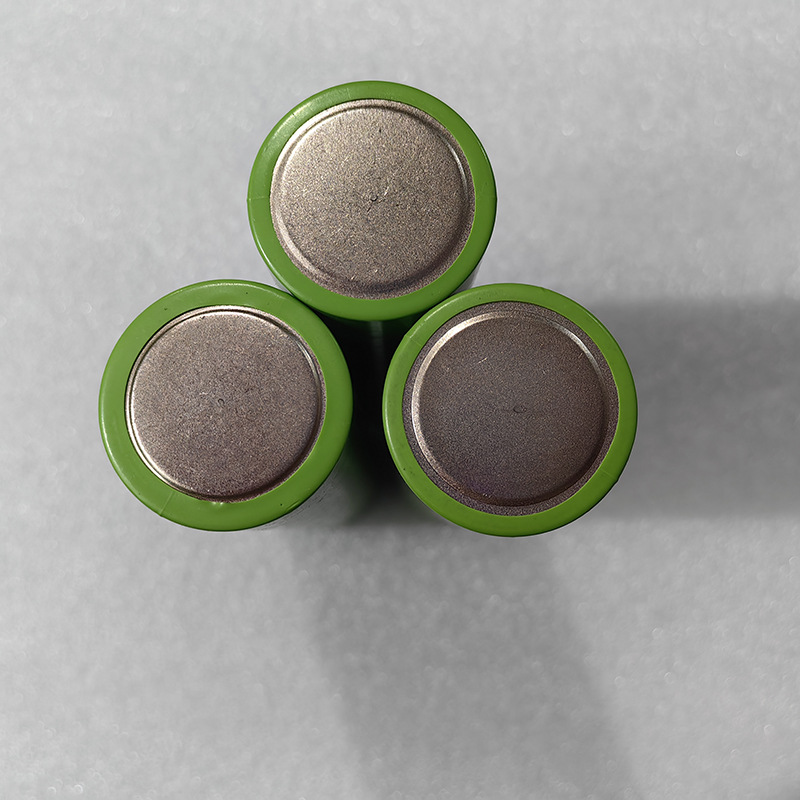
The Ultimate Guide to 18650 LFP Cells for EVs in 2026: Zero Swelling & Maximum Efficiency
The electric vehicle (EV) market in 2026 is defined by a relentless pursuit of safety, longevity, and energy density. While the industry often focuses on larger form factors like 21700 or 4680 cells, the 18650 battery remains a cornerstone for specific high-reliability applications, including e-bikes, scooters, and specialized EV modules. However, the critical differentiator for B2B buyers today is no longer just capacity—it is the elimination of “swelling” and the assurance of zero safety incidents.
As a professional in the lithium battery sector, you understand that cell chemistry dictates system performance. This guide dives deep into the 2026 standards for 18650 Lithium Iron Phosphate (LFP) cells, focusing on the technological advancements that ensure structural integrity and zero swelling.
Why 18650 LFP Cells Still Dominate Specific EV Segments
Despite the trend toward larger cylindrical cells, the 18650 form factor offers unique advantages for 2026 EV applications. Its compact size allows for superior thermal management in tight spaces, making it ideal for high-performance power tools, portable energy storage systems (ESS), and lightweight electric vehicles.
The shift toward LFP (LiFePO4) chemistry in these small formats is driven by the need for intrinsic safety. Unlike NMC (Nickel Manganese Cobalt) chemistries, LFP is thermally stable and does not rely on cobalt, making it more ethical and cost-effective. For B2B clients, this translates to lower Total Cost of Ownership (TCO) due to longer cycle life and reduced warranty claims.
Understanding “Zero Swelling” in 18650 LFP Technology
One of the most persistent issues in lithium battery technology is “swelling,” where cells expand during charge/discharge cycles or due to aging. In a densely packed EV battery pack, even a 1-2% expansion can lead to structural stress, connector damage, and thermal runaway.
The 2026 Solution:
Modern 18650 LFP cells achieve “Zero Swelling” through advanced material compaction and electrolyte formulation. The key lies in the electrode density and the SEI (Solid Electrolyte Interphase) layer stability.
The Science Behind Zero Swelling
The phenomenon of swelling is primarily caused by gas generation within the cell (often due to electrolyte decomposition) and the physical expansion of the graphite anode during lithium intercalation.
In 2026, the standard for premium cells involves:
- High-Density Compaction: Electrodes are compressed to near-theoretical density limits, leaving no micro-pores for gas accumulation.
- Stable SEI Layer: Advanced electrolyte additives form a robust SEI layer on the anode, preventing continuous electrolyte breakdown (which generates gas).
- Robust Casing: High-tensile steel casings (with precise thickness) counteract internal pressure.
When a 18650 LFP cell is manufactured with these principles, the physical dimensions remain static throughout its lifecycle. This is not just a feature; it is a necessity for automated production lines and high-vibration environments like EVs.
Key Selection Criteria for 2026: Evaluating 18650 LFP Cells
When sourcing cells for your EV or energy storage projects, do not rely solely on datasheet capacity. You must evaluate the cell’s mechanical stability.
1. Cycle Life vs. Swelling Ratio
A true 2026-grade