

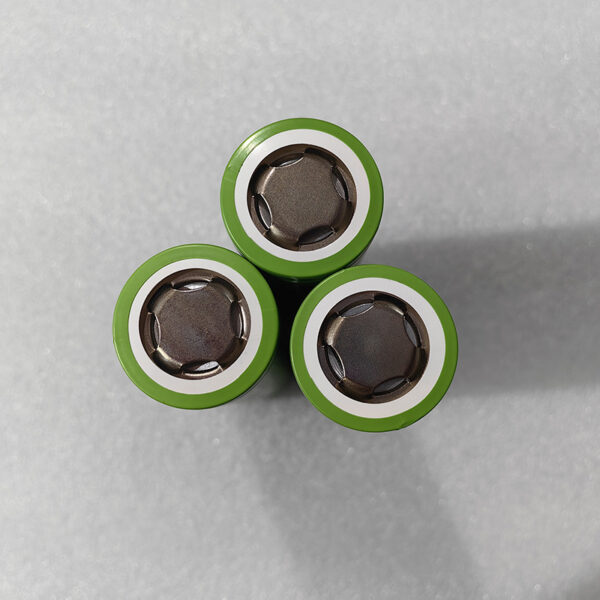
The Ultimate Guide to 18650 LFP Cylindrical Batteries for E-Bikes: Performance in Cold Climates
For e-bike manufacturers and distributors, selecting the right battery chemistry is a critical decision that impacts safety, range, and reliability. While traditional Lithium Nickel Manganese Cobalt Oxide (NMC) batteries dominate the market, Lithium Iron Phosphate (LFP) technology, specifically in the robust 18650 cylindrical format, is rapidly becoming the preferred choice for specific applications.
This article explores why 18650 LFP batteries are gaining traction in the global e-bike market, with a specific focus on their performance in low-temperature environments. We will dissect the technical advantages of LFP chemistry, analyze the structural integrity of the 18650 format, and provide insights for wholesale suppliers seeking reliable, high-performance energy solutions from China.
Understanding the Technology: Why 18650 LFP?
Before diving into low-temperature performance, it is essential to understand the foundational technology.
What is an 18650 Battery?
The term “18650” is a standardized size code used across the lithium-ion industry. The numbers break down as follows:
- 18: 18 millimeters in diameter.
- 65: 65 millimeters in length.
- 0: Denotes a cylindrical shape.
This format is renowned for its high energy density, established manufacturing processes, and excellent thermal management capabilities compared to pouch or prismatic cells.
What is LFP (Lithium Iron Phosphate) Chemistry?
LFP refers to the cathode material used in the battery. Unlike NMC batteries, which use nickel, manganese, and cobalt, LFP batteries use iron and phosphate. This chemistry offers several distinct advantages:
- Inherent Safety: LFP is thermally and chemically stable. It does not overheat easily and is far less prone to thermal runaway (fire or explosion) even under extreme conditions like punctures or short circuits.
- Long Cycle Life: LFP batteries typically offer 2,000 to 3,500 charge cycles, significantly outlasting standard NMC batteries (500-1,000 cycles).
- Cost-Effectiveness: The use of iron and phosphate, which are abundant and less expensive than cobalt and nickel, makes LFP a more economical choice for high-volume applications like e-bikes.
The Low-Temperature Challenge and LFP Performance
One of the most common concerns for e-bike operators in North America, Europe, and Northern Asia is battery performance during winter months. Lithium-ion batteries, in general, experience reduced efficiency in cold weather due to slowed chemical reactions.
How LFP Handles the Cold:
While no lithium-ion battery performs optimally in freezing temperatures, LFP chemistry has unique characteristics that make it more resilient than one might expect:
- Structural Stability: The olivine structure of the LFP cathode remains stable even when the electrolyte viscosity increases in cold conditions. This prevents the structural degradation that can occur in other chemistries when charged at low temperatures.
- Discharge vs. Charge: LFP batteries generally maintain their discharge capacity better than their charge acceptance in the cold. This means an e-bike will still have power to ride in winter, but recharging requires careful management (often utilizing Battery Management Systems with heating functions).
- Safety in the Cold: Unlike some high-nickel batteries that can be more volatile when stressed, the inherent stability of LFP means that even if performance dips in the cold, the safety margin remains high.
For wholesale suppliers targeting markets with distinct seasons, offering LFP-powered e-bikes means offering a product that prioritizes safety and longevity, even if the absolute range in winter is slightly less than a heated NMC pack.
Benefits for the E-Bike Industry
The synergy between 18650 cylindrical cells and LFP chemistry is particularly potent for the e-bike sector:
- Robustness: The cylindrical steel can of an 18650 cell provides excellent mechanical protection. For e-bikes, which face vibrations and road shocks, this physical durability is a significant advantage over pouch cells.
- Modularity: The 18650 format allows manufacturers to build battery packs of various voltages and capacities by simply arranging the cells in series and parallel. This modularity is perfect for the diverse e-bike market, ranging from city commuters to heavy-duty cargo bikes.
- Supply Chain Security: As a wholesale supplier, sourcing 18650 LFP cells means relying on a mature, globally available supply chain. This reduces dependency on scarce raw materials and mitigates price volatility.
Choosing a Reliable Wholesale Supplier from China
For international buyers, navigating the Chinese battery market requires diligence. The market is flooded with options, but quality control is the differentiator.
When selecting a wholesale supplier, look for manufacturers that prioritize:
- Automated Production: Automated assembly lines ensure consistency and reduce the risk of human error, which is critical for battery safety.
- Certifications: Ensure the supplier holds international certifications such as UL, CE, UN38.3, and IEC 62133.
- R&D Capabilities: A strong focus on Research and Development indicates that the supplier is constantly improving cell performance, including low-temperature capabilities.
Partner with CNS BATTERY: Your Trusted Source
Finding a partner that combines technical expertise with global compliance standards is key to your success. CNS BATTERY stands out as a leading manufacturer in China, offering high-performance cylindrical battery solutions tailored for the global e-bike market.
Why CNS BATTERY is the Right Choice:
- Advanced 18650 Technology: CNS BATTERY specializes in high-density 18650 cells, including LFP variants, designed for long cycle life and reliability. Their product range includes high-capacity options suitable for various e-bike applications.
- Focus on Safety and Quality: With strict quality control protocols and automated manufacturing facilities, CNS BATTERY ensures every cell meets the highest safety standards. This is crucial for low-temperature applications where battery stress can be higher.
- Global Compliance: Understanding the specific regulations of different regions, CNS BATTERY provides solutions that meet international safety and environmental requirements, making them an ideal partner for B2B clients worldwide.
- Customization: Whether you need a specific configuration for an e-bike pack or require assistance with Battery Management Systems (BMS) to optimize cold-weather charging, CNS BATTERY offers comprehensive customization services.
Conclusion
For e-bike manufacturers and distributors, 18650 LFP cylindrical batteries represent a compelling blend of safety, longevity, and cost-efficiency. While low-temperature performance is a challenge for all lithium-ion technologies, the structural and chemical stability of LFP provides a safer and more durable solution for seasonal climates.
By partnering with a reputable Chinese manufacturer like CNS BATTERY, you gain access to high-quality, compliant energy solutions that can power your e-bike fleet through any season. Explore the full range of cylindrical battery cells and discover how they can enhance your product offerings.
Ready to power your e-bike business with reliable, high-performance batteries?
Explore CNS BATTERY’s Cylindrical Battery Solutions
Contact our sales team for a wholesale inquiry
Learn more about partnering with a leading China battery manufacturer

