

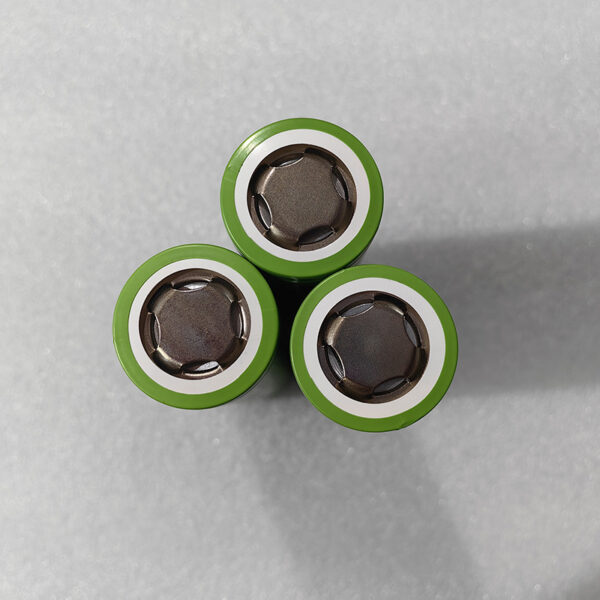
18650 LFP Cylindrical Battery for EV – High Reliability Ideal for Manufacturers
The electric vehicle (EV) industry is undergoing a seismic shift, driven not just by the demand for longer range but by the critical need for safety and cost efficiency. While the industry often chases the latest “bigger” cell formats, a resurgence is occurring in the heart of the powertrain: the 18650 LFP Cylindrical Battery. For manufacturers prioritizing high reliability, thermal stability, and long-term durability, revisiting the proven 18650 format with Lithium Iron Phosphate (LFP) chemistry is proving to be a strategic masterstroke.
This article explores why the 18650 LFP battery remains the ideal choice for discerning manufacturers, dissecting the technical advantages of cylindrical cells and the specific benefits of LFP chemistry.
The Enduring Engineering of the 18650 Format
Before diving into chemistry, it is crucial to understand the mechanical superiority of the cylindrical design. The 18650 cell (18mm diameter, 65mm height) has been the workhorse of the lithium-ion industry for decades. Its reliability stems from fundamental physics.
Mechanical Robustness: Unlike pouch cells, which are susceptible to swelling and puncture, or prismatic cells, which can suffer from internal stress, the cylindrical steel (or aluminum) can provides exceptional mechanical strength. This rigid structure protects the internal jelly roll from external pressure and internal gas generation, a factor critical for the vibration-heavy environment of an EV.
Thermal Management Efficiency: The cylindrical geometry offers a superior surface-area-to-volume ratio compared to larger formats. This allows for more efficient heat dissipation. In an EV battery pack, where thermal runaway in one cell can compromise the entire system, the ability to manage heat effectively is synonymous with safety. The void spaces between cylindrical cells naturally create air channels, facilitating passive and active cooling strategies.
Decoding LFP: The Chemistry of Safety and Longevity
Pairing the 18650 format with Lithium Iron Phosphate (LFP) chemistry creates a synergy that prioritizes safety and lifecycle over raw energy density. For manufacturers building vehicles for the mass market or commercial fleets, this trade-off is often the correct engineering decision.
- Thermal Stability: The olivine structure of LFP is inherently stable. Unlike Nickel Manganese Cobalt (NMC) chemistries, LFP does not decompose at high temperatures, meaning it does not release oxygen when overheated. This eliminates the primary fuel source for thermal runaway, making LFP batteries virtually non-combustible under abuse conditions.
- Cycle Life: LFP chemistry exhibits minimal degradation during charge and discharge cycles. While NMC cells might degrade significantly after 1,000-2,000 cycles, LFP cells routinely achieve 3,000 to 5,000 cycles or more while retaining over 80% of their capacity. For an EV manufacturer, this translates directly to a longer warranty period and lower total cost of ownership for the end-user.
Why Manufacturers Choose 18650 LFP for EV Applications
For B2B stakeholders and OEMs, the decision to integrate 18650 LFP Cylindrical Battery systems is driven by three core pillars: supply chain security, safety compliance, and cost predictability.
1. Supply Chain Resilience
LFP chemistry relies on iron and phosphate, materials that are abundant, geographically diverse, and significantly cheaper than cobalt and nickel. By choosing LFP, manufacturers de-risk their supply chain from the volatility of rare earth minerals. Furthermore, the 18650 format is the most mature production standard globally, meaning manufacturing equipment is widely available and optimized, reducing capital expenditure for new production lines.
2. Safety as a Non-Negotiable
In the EV market, a single safety incident can destroy brand equity. The 18650 LFP cell acts as a “fail-safe” component. Even if a single cell is damaged or experiences an internal short circuit, the robust can contains the event, and the stable chemistry prevents propagation to neighboring cells. This simplifies the Battery Management System (BMS) requirements and reduces the complexity of the pack-level safety engineering.
3. Performance Optimization
Modern LFP formulations have addressed the historical criticism of low energy density and poor cold-weather performance. Advanced manufacturing techniques now allow LFP cells to achieve competitive energy densities suitable for light electric vehicles (LEVs), e-bikes, and even entry-level passenger EVs. The high reliability of the 18650 format ensures consistent performance across a wide range of operating temperatures.
Technical Specifications: What to Look for in a Quality Cell
When sourcing cells, manufacturers must scrutinize specific parameters to ensure the “High Reliability” promised by the 18650 LFP design is delivered. Key metrics include:
- Cycle Life: Look for cells rated for a minimum of 3,000 cycles at 1C charge/discharge.
- Internal Resistance: Low internal resistance is vital for high-power applications like EVs, ensuring minimal heat generation during acceleration.
- Self-Discharge Rate: A low rate indicates high manufacturing quality and tight seals, essential for vehicles that may sit in inventory or storage.
Partnering with a Trusted 18650 LFP Manufacturer
Selecting the right partner is as important as the cell chemistry itself. Manufacturers require a supplier with deep R&D capabilities, rigorous quality control, and the ability to customize solutions for specific vehicle architectures.
CNS BATTERY stands as a premier Battery Manufacturer in China, specializing in high-performance cylindrical cells. With a legacy of craftsmanship and automated production lines, CNS ensures that every 18650 LFP Cylindrical Battery meets the stringent demands of the EV market.
Why Partner with CNS for Your EV Projects?
- Proven R&D Expertise: CNS invests heavily in research to enhance the energy density and low-temperature performance of their LFP cells, ensuring their products remain at the cutting edge.
- Global Quality Standards: Operating from Zhengzhou, China, CNS adheres to international quality management systems, providing manufacturers with the assurance of defect-free cells.
- Customization Capabilities: Recognizing that every EV application is unique, CNS offers tailored solutions, from specific capacity requirements to custom BMS integration.
For manufacturers seeking a reliable, safe, and cost-effective power solution, the 18650 LFP cell from a trusted partner like CNS BATTERY is the optimal choice. It combines the safety of chemistry with the robustness of form factor.
To consult on integrating high-reliability 18650 LFP cells into your next EV project, or to request a sample, contact CNS BATTERY today.
Explore our comprehensive Cylindrical Battery Cell lineup designed for the automotive industry:
Learn more about our Cylindrical Battery Cell solutions
Contact our sales engineers to discuss your specific manufacturing requirements:
Contact CNS BATTERY
Discover why global manufacturers trust CNS as their Battery Manufacturer in China:
Visit our Manufacturer Profile


