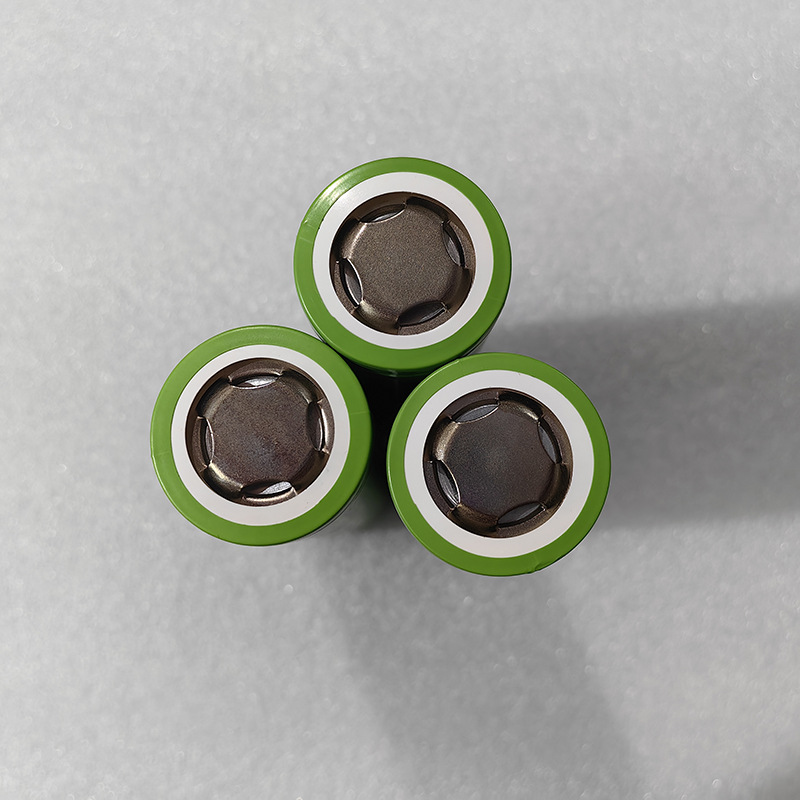
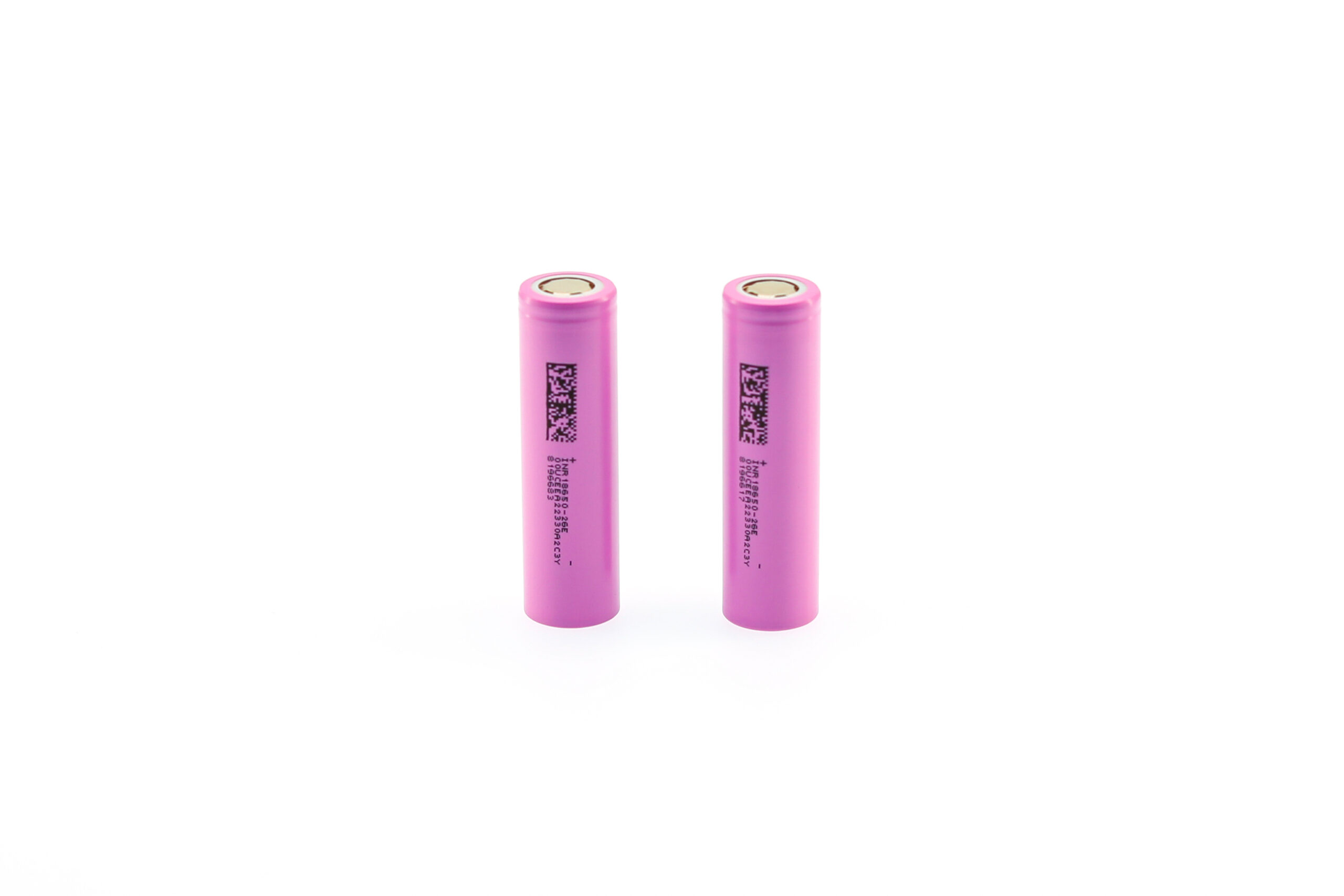
32150 Battery Cell Low MOQ | Sample Available CNS BATTERY: Technical Deep-Dive for Global Engineers
For engineering teams and technical procurement specialists evaluating cylindrical lithium battery solutions, the 32150 battery cell represents a critical form factor balancing energy density, thermal management, and manufacturing scalability. CNS BATTERY now offers this specification with low minimum order quantity (MOQ) and sample availability, enabling rapid prototyping and validation cycles for projects targeting EU, US, and Asian markets.
Understanding the 32150 Cylindrical Cell Architecture
The 32150 designation follows the industry-standard cylindrical cell naming convention: 32mm diameter × 150mm length. This geometry positions it between the widely-adopted 21700 and larger 4680 formats, offering approximately 8,000-12,000 mAh capacity at nominal 3.6V-3.7V (NMC chemistry) or 3.2V (LiFePO4 variant).
From an electrochemical perspective, the 32150 cell employs a wound jelly-roll electrode assembly. The larger diameter compared to 18650 cells reduces internal resistance per unit capacity, improving C-rate performance and heat dissipation characteristics. The surface-area-to-volume ratio optimizes thermal management in high-drain applications such as e-mobility, energy storage systems (ESS), and industrial power tools.
Key Technical Parameters & Performance Advantages
| Parameter | Typical Value | Engineering Significance |
|---|---|---|
| Nominal Capacity | 8-12 Ah | Higher energy per cell reduces pack complexity |
| Nominal Voltage | 3.6V (NMC) / 3.2V (LFP) | Chemistry-dependent system design |
| Continuous Discharge | 3C-5C | Suitable for high-power applications |
| Cycle Life | 2,000-5,000 cycles | LFP variants achieve upper range |
| Operating Temperature | -20°C to 60°C | Wide environmental adaptability |
| Internal Resistance | ≤15 mΩ | Lower heat generation under load |
The low MOQ policy eliminates traditional barriers for R&D teams requiring small-batch validation. Engineering teams can order quantities as low as 50-100 cells for prototype builds, compared to industry-standard 1,000+ unit minimums. This flexibility accelerates time-to-market while maintaining supply chain agility.
Explore our full cylindrical battery cell portfolio: https://cnsbattery.com/products-3/cylindrical-battery-cell/
Standardized Testing Methodologies for Quality Validation
CNS BATTERY implements multi-stage testing protocols aligned with international standards:
1. Electrical Performance Testing (IEC 62660-1)
- Capacity verification at 0.2C discharge rate
- Internal resistance measurement using AC impedance spectroscopy
- Rate capability assessment across 0.5C to 5C discharge profiles
2. Safety & Compliance Testing (UN 38.3 / UL 1642)
- Overcharge protection validation (1.5V × nominal voltage)
- Short-circuit testing with thermal runaway monitoring
- Vibration and mechanical shock resistance per transportation requirements
3. Cycle Life & Degradation Analysis
- 100% depth-of-discharge cycling at 25°C ambient
- Capacity retention tracking every 100 cycles
- Post-mortem cell analysis for failure mode identification
4. Environmental Stress Screening
- Thermal cycling: -40°C to +85°C (100 cycles)
- Humidity exposure: 85% RH at 60°C for 500 hours
- Salt spray corrosion testing for terminal integrity
These methodologies ensure cells meet EU Battery Regulation 2023/1542 requirements for carbon footprint declaration, recycled content thresholds, and end-of-life traceability—critical for European market access.
Geographic Compliance & Regional Technical Barriers
Global deployment demands navigation of region-specific regulatory frameworks:
European Union Compliance
- CE marking per EN 62133-2 (safety)
- RoHS 3 substance restrictions
- REACH SVHC screening
- New EU Battery Passport requirements (2026 implementation)
United States Standards
- UL 1642 cell-level certification
- UL 2580 pack-level integration
- DOT/UN 38.3 transportation compliance
- California Title 20 energy efficiency requirements
Asian Market Considerations
- China GB/T 31485 safety standards
- Japan PSE marking for consumer applications
- Korea KC certification for commercial deployment
CNS BATTERY’s manufacturing facilities maintain ISO 9001, ISO 14001, and IATF 16949 certifications, ensuring consistent quality management across production batches. Our cells undergo third-party validation through TÜV, SGS, and Intertek laboratories, providing documented compliance for customs clearance and customer audits.
For manufacturers seeking China-based battery suppliers with verified export credentials: https://cnsbattery.com/battery-manufacturers-in-china/
Supply Chain Advantages for Global Procurement
The sample-available program enables engineering teams to receive evaluation units within 5-7 business days. This rapid turnaround supports:
- Design verification before volume commitment
- Compatibility testing with existing BMS architectures
- Thermal characterization in target application environments
Low MOQ flexibility particularly benefits:
- Startup companies scaling production incrementally
- Research institutions conducting comparative studies
- OEMs diversifying supplier portfolios for risk mitigation
Conclusion: Strategic Sourcing for 2026 Market Demands
The 32150 battery cell format delivers optimal balance between energy density, thermal performance, and manufacturing maturity. CNS BATTERY’s low MOQ policy combined with sample availability removes traditional procurement friction, enabling faster iteration cycles for global engineering teams.
With documented compliance across EU, US, and Asian regulatory frameworks, these cells support seamless market entry without redesign penalties. For technical consultations or sample requests, contact our engineering support team: https://cnsbattery.com/contact-2/
Target Keywords: 32150 battery cell, cylindrical lithium battery, low MOQ battery supplier, battery sample available, EU battery compliance, UL certified battery cells, China battery manufacturers, IEC 62660 testing, LiFePO4 cylindrical cell, NMC battery specifications