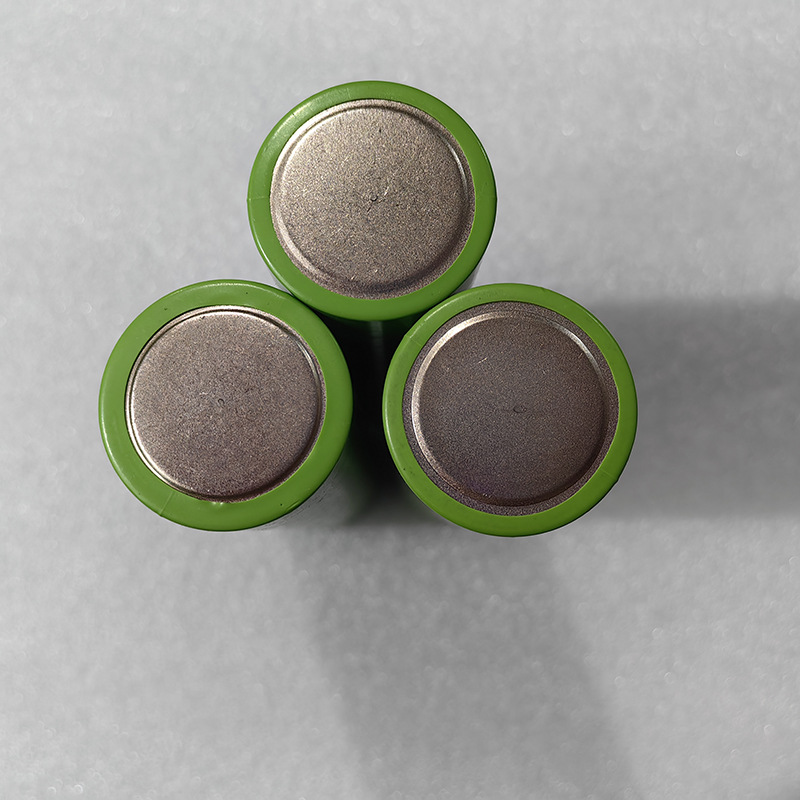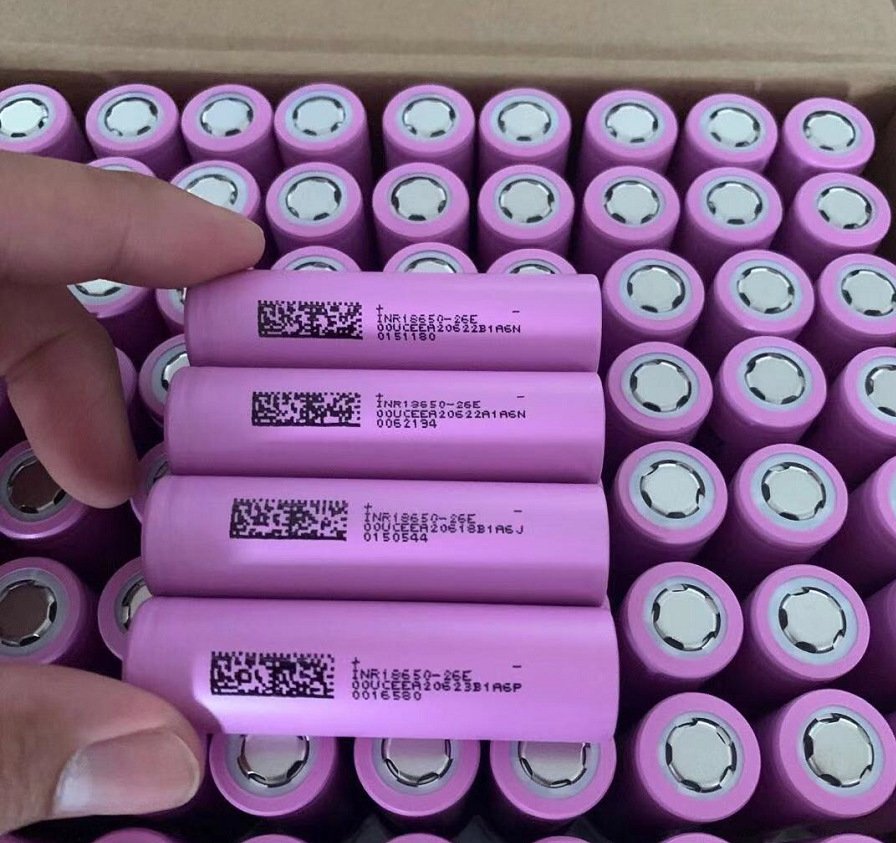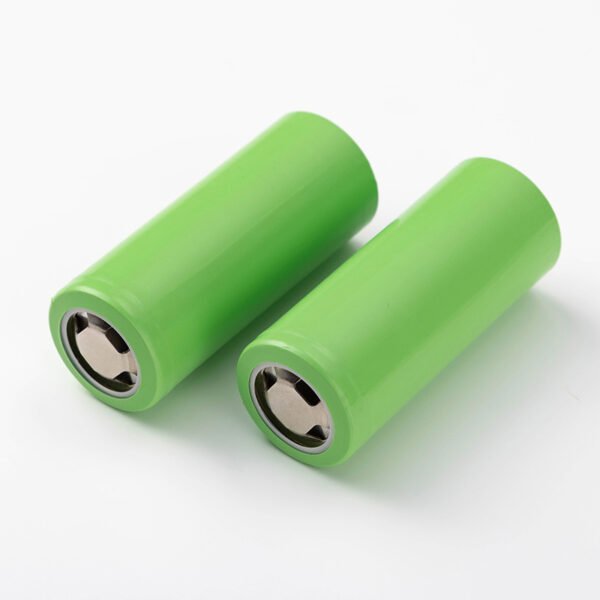
Minimal Capacity Fade 18650 LFP Cells for Power Tools – 2026 Buyer’s Guide
The power tool industry continues to demand battery solutions that deliver exceptional longevity and minimal capacity degradation. As we progress through 2026, 18650 LFP (Lithium Iron Phosphate) cells have emerged as the preferred choice for professional-grade power tools, offering superior cycle life and thermal stability compared to traditional NMC chemistries. This comprehensive buyer’s guide examines the critical parameters, testing methodologies, and regional compliance considerations essential for technical procurement decisions.
Understanding Capacity Fade in LFP Chemistry
Capacity fade refers to the gradual reduction in a battery’s ability to store charge over repeated charge-discharge cycles. For power tool applications, minimal capacity fade translates directly to extended equipment lifespan and reduced total cost of ownership. LFP chemistry inherently demonstrates superior structural stability during lithium ion intercalation, with the olivine crystal structure maintaining integrity across thousands of cycles. Unlike layered oxide cathodes, LFP materials experience minimal volume expansion (<7%), significantly reducing mechanical stress and electrolyte decomposition.
Critical Performance Parameters for 2026 Procurement
Cycle Life Specifications: Premium 18650 LFP cells should guarantee minimum 3,000 cycles at 80% depth of discharge while retaining 80% of initial capacity. Advanced manufacturing processes now enable certain manufacturers to achieve 5,000+ cycles under optimal operating conditions. Technical buyers must verify cycle life data through independent third-party testing rather than relying solely on manufacturer specifications.
Rate Capability: Power tools demand high discharge rates, typically ranging from 3C to 10C depending on application. Quality LFP cells maintain voltage stability above 2.8V even at 5C continuous discharge. The internal resistance should remain below 35mΩ to minimize heat generation during high-current operations.
Temperature Performance: Professional power tools operate across diverse environmental conditions. Superior LFP cells maintain 90%+ capacity retention between -10°C to 45°C operating ranges. Thermal runaway resistance remains a critical safety advantage, with LFP chemistry demonstrating significantly higher decomposition temperatures compared to cobalt-based alternatives.
Standardized Testing Methodologies
IEC 62660 Compliance: International Electrotechnical Commission standards provide the foundation for capacity fade assessment. Testing protocols require cells to undergo specified charge-discharge cycles at controlled temperatures (25°C ±2°C) with documented capacity measurements every 100 cycles.
USABC Testing Protocols: For North American market entry, United States Advanced Battery Consortium methodologies offer additional validation frameworks. These protocols emphasize real-world usage patterns including partial state-of-charge cycling and variable temperature exposure.
Accelerated Aging Tests: Advanced procurement teams should request accelerated aging data conducted at elevated temperatures (45°C-55°C) to project long-term performance. Arrhenius equation modeling enables capacity fade prediction across extended operational periods.
Regional Compliance and Technical Barriers
European Union Standards: CE marking requirements mandate compliance with EN 62133-2 for portable battery applications. The EU Battery Regulation 2023 introduces additional carbon footprint documentation and recycling content requirements effective throughout 2026. Technical documentation must demonstrate conformity with RoHS and REACH chemical restrictions.
United States Regulatory Framework: UL 1642 and UL 2054 certifications remain essential for North American market access. California Proposition 65 compliance requires specific labeling for battery products containing listed chemicals. DOT transportation regulations govern lithium battery shipping classifications.
Manufacturing Excellence: Leading Chinese battery manufacturers have achieved significant technological breakthroughs in LFP cell production, implementing automated quality control systems that meet international standards. Advanced manufacturers maintain ISO 9001:2015 certification alongside IATF 16949 automotive quality standards, ensuring consistent production quality across high-volume manufacturing runs.
For technical procurement teams evaluating 18650 LFP cells for power tool applications, comprehensive due diligence extends beyond basic specifications. Understanding regional compliance requirements, validating testing methodologies, and assessing manufacturing capabilities determines successful product integration. Established manufacturers provide detailed technical documentation supporting global market entry strategies.
Professional buyers should verify manufacturer credentials through direct engagement with qualified suppliers. Comprehensive product portfolios and technical support capabilities distinguish premium suppliers from commodity producers. For detailed specifications and compliance documentation, visit our cylindrical battery cell product range to evaluate technical parameters aligned with your application requirements.
Manufacturing location significantly impacts supply chain resilience and regulatory compliance. Understanding the capabilities of battery manufacturers in China provides insight into production capacity, quality systems, and export compliance frameworks essential for global procurement strategies.
Technical teams requiring customized solutions or detailed compliance documentation should establish direct communication channels with qualified manufacturers. Professional support ensures proper cell selection, integration guidance, and regulatory compliance verification throughout the product development lifecycle. Contact our technical team through our official contact page for application-specific consultations and compliance documentation requests.
The 2026 power tool battery market demands solutions balancing performance, longevity, and regulatory compliance. Minimal capacity fade 18650 LFP cells represent the optimal choice for professional applications requiring extended service life and reliable performance across diverse operating conditions. Strategic procurement decisions based on comprehensive technical evaluation ensure successful product deployment in competitive global markets.