Low Self Discharge Battery For Cabin Storage | CNS BATTERY
Introduction: The Critical Role of Battery Reliability in Aviation
In commercial and private aviation, cabin storage systems demand exceptional battery performance. Low self-discharge batteries have become essential for emergency equipment, backup power systems, and cabin electronics that must remain operational after extended periods of inactivity. For B2B buyers in the aviation sector, understanding the technical specifications and compliance requirements is crucial for procurement decisions.
Understanding Self-Discharge Technology
Self-discharge refers to the gradual loss of battery capacity when not in use. Standard lithium-ion batteries typically lose 2-3% of charge per month, while low self-discharge variants can maintain 80%+ capacity after 12 months of storage. This technology is particularly vital for aircraft cabin applications where equipment may sit idle between flights.
Key Technical Parameters:
- Monthly self-discharge rate: <1% for premium cells
- Operating temperature range: -40°C to +85°C
- Cycle life: 1,200+ charge cycles
- Shelf life: 5+ years with 60%+ capacity retention
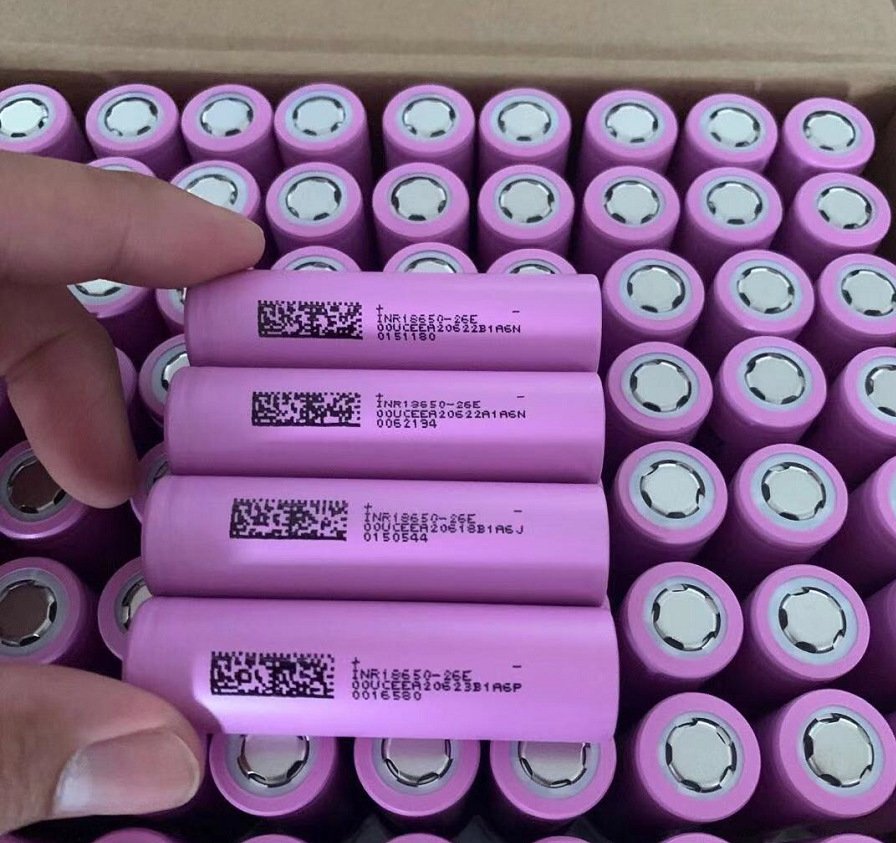
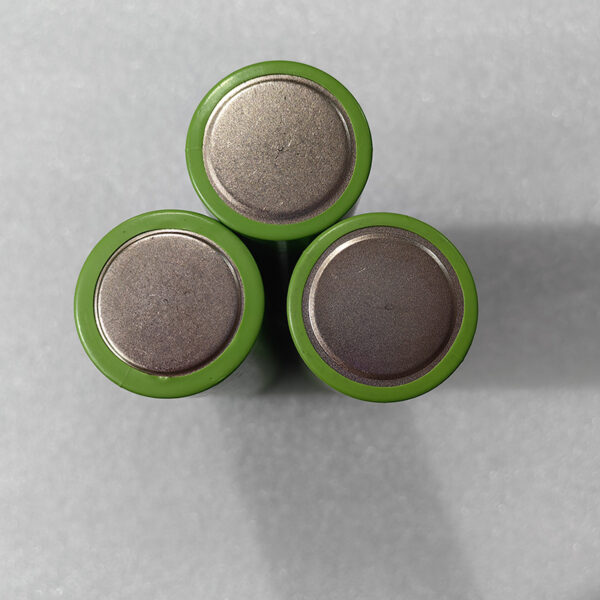
For cylindrical battery cell options suitable for aviation applications, explore our cylindrical battery cell product range.
Aviation Compliance Standards
Aircraft battery systems must meet rigorous international standards. The primary certifications include:
RTCA DO-311A (2017): Minimum Operational Performance Standards for Rechargeable Lithium Battery Systems. This standard defines testing protocols for thermal stability, vibration resistance, and electrical safety.
RTCA DO-160: Environmental test conditions for airborne equipment, covering temperature variation, humidity, altitude simulation, and electromagnetic compatibility.
SAE ARP4754B: Guidelines for civil aircraft and systems development, ensuring safety processes throughout the product lifecycle.
When sourcing batteries for cabin storage applications, verify that suppliers can provide complete documentation for these certifications. Compliance isn’t optional—it’s mandatory for airworthiness approval.
Procurement Considerations for B2B Buyers
1. Supplier Qualification
Work with manufacturers who understand aviation requirements. Chinese battery manufacturers have significantly advanced their capabilities, but due diligence remains essential. Verify production facilities, quality management systems (ISO 9001, AS9100), and traceability protocols. Learn more about qualified battery manufacturers in China.
2. Technical Documentation
Request complete test reports including:
- Self-discharge rate verification (12-month minimum data)
- Thermal runaway testing results
- Vibration and shock test certificates
- Material safety data sheets (MSDS)
3. Supply Chain Stability
Aviation programs require long-term supply commitments. Evaluate manufacturer capacity, raw material sourcing, and contingency planning for production disruptions.
Case Study: Regional Aircraft Cabin Emergency System
A regional aircraft operator required battery replacement for cabin emergency lighting systems. The original specification called for batteries with 24-month storage capability without recharging. After evaluating multiple suppliers, they selected low self-discharge cylindrical cells meeting the following criteria:
- Self-discharge rate: 0.8% per month at 25°C
- Operating temperature: -30°C to +70°C
- DO-311A compliance documentation
- 5-year warranty with capacity guarantee
The solution reduced maintenance intervals from 12 months to 36 months, generating significant operational cost savings while improving system reliability.
Temperature Performance Considerations
Aircraft cabins experience extreme temperature variations. During ground operations in hot climates, cabin temperatures can exceed 60°C. At cruising altitude, unheated compartments may drop below -40°C. Low self-discharge batteries must maintain performance across this range without accelerated degradation.
Premium cells incorporate advanced electrolyte formulations and separator technologies that minimize chemical reactions during storage while preserving discharge capability when needed.
Quality Assurance and Testing
Reputable manufacturers implement multi-stage testing protocols:
Incoming Material Inspection: All raw materials verified against specifications before production.
In-Process Testing: Capacity, voltage, and internal resistance measured at multiple production stages.
Final Validation: Random sampling for extended storage testing, thermal cycling, and safety verification.
Third-Party Certification: Independent laboratory validation for aviation standards compliance.
Partnership and Support
Selecting a battery supplier extends beyond the initial purchase. Long-term partnerships provide:
- Technical support for integration challenges
- Customization options for specific applications
- Consistent quality across production batches
- Responsive customer service for urgent requirements
For inquiries about low self-discharge battery solutions for cabin storage applications, contact our team at CNS BATTERY Contact.
Conclusion
Low self-discharge batteries represent a critical component for aircraft cabin storage systems. B2B buyers must balance technical specifications, compliance requirements, and supplier capabilities when making procurement decisions. By prioritizing certified manufacturers with proven aviation experience, operators can ensure reliable performance while minimizing maintenance costs and regulatory risks.
The aviation industry continues to evolve, with increasing electrification creating new battery applications. Partnering with knowledgeable suppliers who understand both the technology and regulatory landscape positions organizations for long-term success in this demanding sector.